Blood Pressure: The Two Numbers Every Adult Should Know
Hypertension is the world's leading cause of preventable death. Knowing your numbers is a five-minute habit with outsized returns.

Targets to anchor on
Optimal: under 120/80 mmHg. Elevated: 120–129 systolic / under 80 diastolic. Stage 1 hypertension: 130–139 / 80–89. Stage 2: 140+/90+. Half the adults with hypertension don't know they have it because there are no obvious symptoms until late.
How to measure honestly
Sitting, feet flat on the floor, back supported, cuff at heart height, after 5 minutes of quiet. Two readings, one minute apart. Take 3 days of morning + evening readings and average — single clinic readings are notoriously inflated ("white-coat hypertension").
The biggest non-medication levers
Walking 30 minutes most days drops systolic by ~5 mmHg. Reducing sodium toward 2 g/day adds another 5. Losing 5–10% of body weight (if overweight) adds another. Limiting alcohol to <1 drink/day for women, <2 for men adds another. Stacking 3 of these often beats a starting dose of medication.
Related articles
 Heart Health
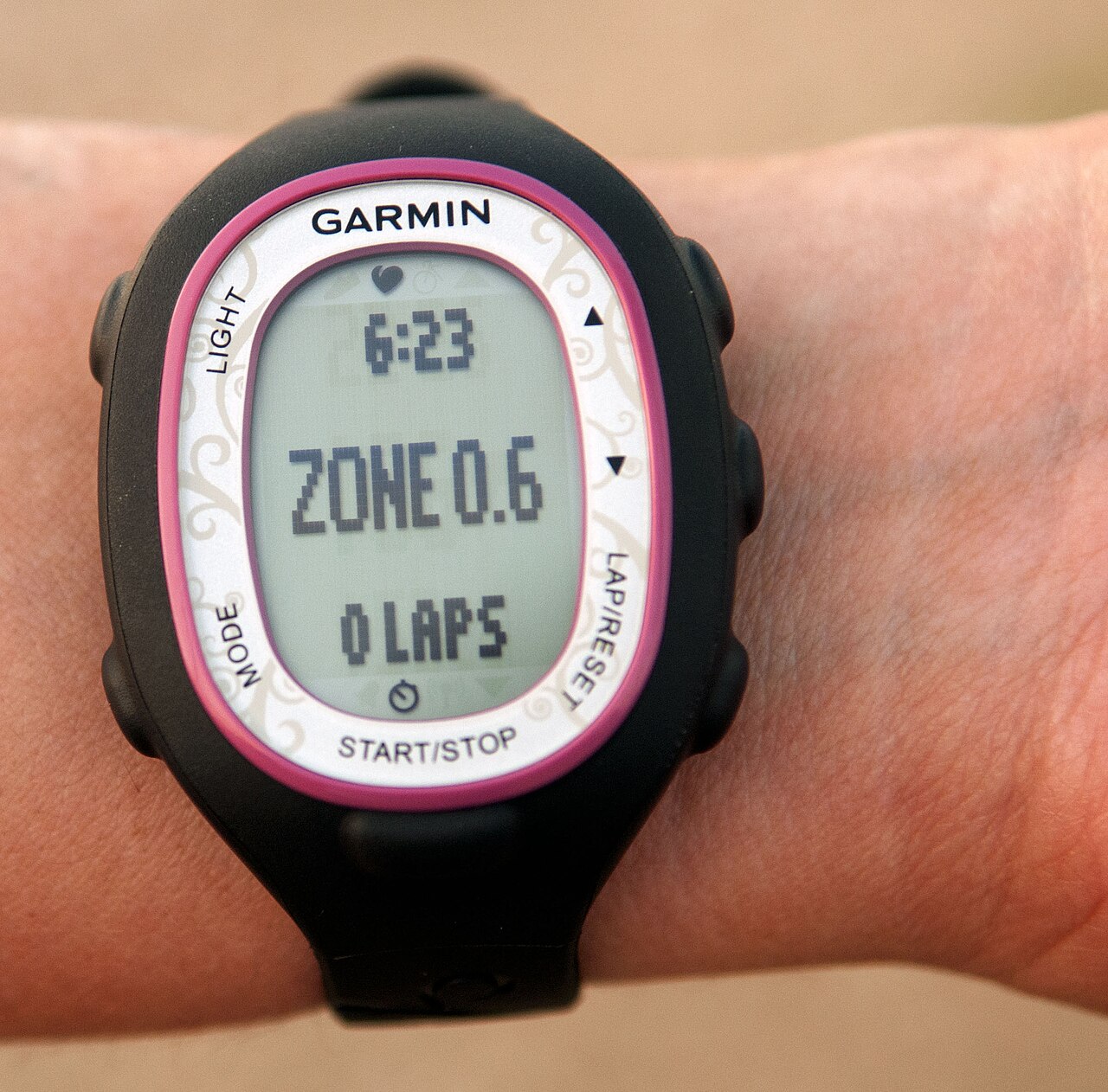
Heart-Rate Zones, Explained Without the Jargon
Z2 builds your engine, Z5 sharpens its edge. A practical guide to training where it matters.
 Heart Health
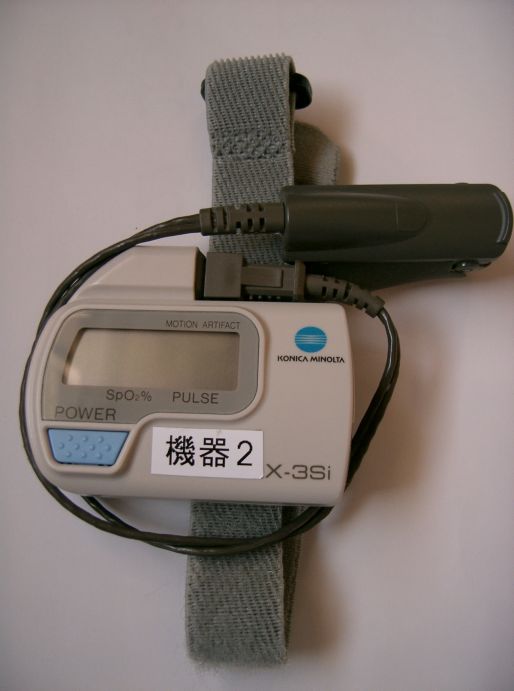
Resting Heart Rate: A Free Daily Health Check
No subscription, no app. Just your finger on your wrist for sixty seconds — and a clearer signal than most lab tests.
 Lab Interpretation
Vitamin D Deficiency: When Low Numbers Actually Matter
A "low" vitamin D result is not always a real deficiency, and not every low result needs treatment. Here is how clinicians actually decide.