CA 125 Blood Test: What Elevated Levels Mean (and Do Not Mean)
CA 125 is famous as an "ovarian cancer marker" — but the number is raised in many benign conditions too. Learn who should test, how to interpret a high value, and why it should not be used for general screening.
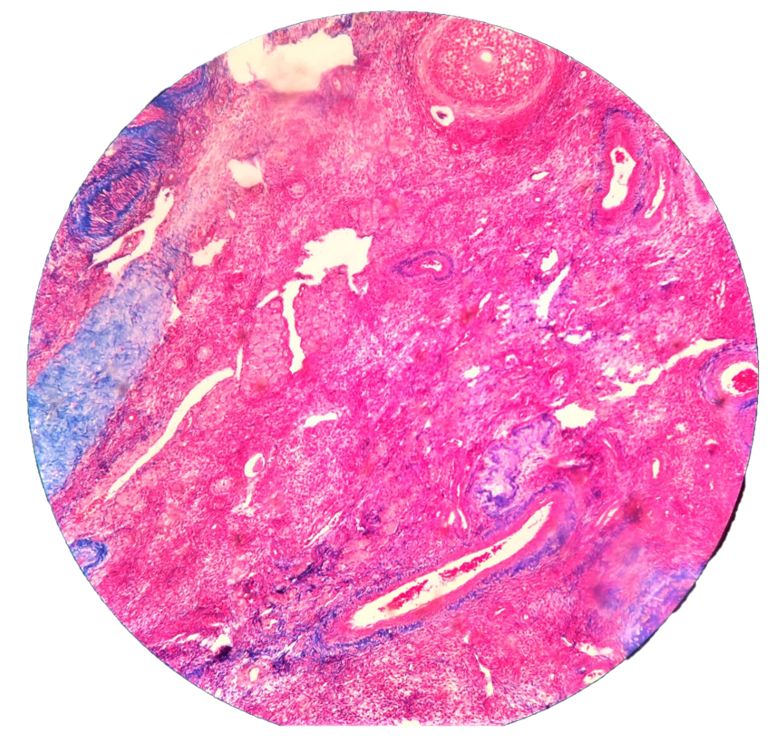
Normal CA 125 is below 35 U/mL. A raised value is NOT a diagnosis of cancer — it is raised in menstruation, endometriosis, fibroids, pregnancy, cirrhosis, heart failure, pericarditis, and any peritoneal inflammation. CA 125 is used mainly for (1) working up a suspicious pelvic mass with ultrasound (the Risk of Malignancy Index), (2) monitoring known ovarian cancer, and (3) surveillance in BRCA carriers. It is NOT a general screening test.
CA 125 is a glycoprotein produced by the coelomic epithelium and its derivatives (peritoneum, pleura, pericardium, ovarian epithelium). It is elevated in ~80% of advanced ovarian cancers but only ~50% of stage I disease. Many benign conditions raise it: menstruation, pregnancy, endometriosis, uterine fibroids, PID, ascites, cirrhosis, heart failure, pericarditis, pleural effusion. UKCTOCS trial showed no mortality benefit from CA 125 screening in average-risk women. Its clinical roles: workup of pelvic mass alongside ultrasound (Risk of Malignancy Index, ROMA algorithm with HE4), monitoring known ovarian cancer during and after treatment, surveillance in BRCA1/2 carriers who decline risk-reducing surgery.
- Normal
- < 35 U/mL
- Sensitivity for stage I ovarian cancer
- ~50%
- Sensitivity for advanced disease
- ~80%
- Screening recommendation
- NOT for average-risk women
- Best paired with
- Pelvic ultrasound, HE4 (ROMA), symptoms
Why CA 125 fails as a screening test
The landmark UKCTOCS trial randomised over 200,000 postmenopausal women to CA 125 screening (with ultrasound triage) or no screening. Despite detecting more cancers, screening did NOT reduce ovarian cancer mortality. USPSTF, NICE, and ACOG all recommend AGAINST routine CA 125 screening in average-risk women.
The problem is low prevalence + non-specificity. Ovarian cancer affects roughly 1 in 78 women in a lifetime; positive predictive value of a raised CA 125 in a screening context is very low, meaning most positives are false. Repeated positives lead to unnecessary surgeries and complications.
When CA 125 IS clinically useful
| Setting | Purpose |
|---|---|
| Pelvic mass workup | Risk stratification (RMI, ROMA) alongside ultrasound |
| Known ovarian cancer | Monitor treatment response and detect relapse |
| BRCA1/2 carriers declining surgery | Surveillance every 6 months alongside pelvic US |
| Malignant ascites of unknown origin | Support diagnosis of peritoneal / ovarian source |
What benign conditions raise CA 125
Any peritoneal inflammation or coelomic epithelial irritation raises CA 125: menstruation (up to 2–3× baseline for a few days), pregnancy (peaks first trimester), endometriosis (often > 100 U/mL), fibroids, PID, ovarian cysts, appendicitis, diverticulitis. Non-gynaecological causes: cirrhosis with ascites, heart failure with pleural effusion, pericarditis, pleurisy, tuberculosis peritonitis.
How to interpret a raised CA 125
Alongside a pelvic ultrasound, CA 125 forms part of the Risk of Malignancy Index (RMI). RMI = CA 125 × menopausal status score × ultrasound features score. An RMI > 200 warrants gynaecologic-oncology referral. Postmenopausal women with any pelvic mass and CA 125 > 35 have a significantly higher malignancy probability than premenopausal women, in whom benign causes dominate.
ROMA (Risk of Ovarian Malignancy Algorithm) combines CA 125 with HE4 (human epididymis protein 4) and menopausal status to produce a probability score. It slightly outperforms RMI in some populations.
- New pelvic mass, ascites, or unexplained weight loss with raised CA 125 — gynaecologic-oncology referral.
- CA 125 rising sharply during ovarian cancer follow-up — imaging for relapse.
- Persistent bloating, early satiety, pelvic or abdominal pain, urinary urgency for > 3 weeks in a woman > 50 — symptom pattern warrants CA 125 + ultrasound (NICE recommendation).
- BRCA carrier with a rising CA 125 — increased surveillance and consider risk-reducing surgery timing.
CA 125 walk-through
- 1Screening in average-risk asymptomatic woman?Not recommended. No mortality benefit; high false-positive rate.
- 2New pelvic mass on ultrasound?CA 125 alongside ultrasound → calculate RMI or ROMA. Raised risk → gynaecologic-oncology referral.
- 3Persistent bloating / early satiety / pelvic pain in older woman?Order CA 125 + ultrasound (per NICE NG12). Elevated → refer.
- 4Known ovarian cancer, rising CA 125?Imaging (CT abdomen/pelvis) to evaluate recurrence.
Related questions people ask
- Is CA 125 a good ovarian cancer screening test?
- What raises CA 125 besides cancer?
- What is ROMA index?
- Should BRCA carriers have CA 125?
- How does CA 125 relate to CEA?
- Does endometriosis raise CA 125?
- What is HE4?
Frequently asked questions
- CA 125 < 35 U/mL is the reference range.
- It is NOT a screening test in average-risk women.
- Many benign conditions raise it — menstruation, endometriosis, fibroids, effusions.
- Best use: workup of pelvic mass + monitoring of known cancer.
- RMI and ROMA combine CA 125 with imaging and menopausal status.
- Trend matters more than absolute value in surveillance.
References
3 sources- NICE NG12Suspected cancer: recognition and referral
UK CA 125 referral criteria.
nice.org.uk
- USPSTFScreening for Ovarian Cancer
US screening recommendation.
uspreventiveservicestaskforce.org
- ACOGThe Role of the Obstetrician-Gynecologist in the Screening and Diagnosis of Ovarian Cancer
US gynaecology society position.
acog.org
Related articles
 Laboratory Tests
TSH Test: Normal Range, High, Low & What Your Result Actually Means
TSH is the single most important thyroid number. Understand normal ranges by age and pregnancy, what a high or low value really tells you, and the two follow-up tests that clinch the diagnosis.
 Laboratory Tests
HbA1c Test: Normal Range, Prediabetic, Diabetic Cut-offs & How to Lower It
HbA1c reflects your average blood sugar over ~3 months. Understand every threshold — normal, prediabetes, diabetes — and the realistic actions that move the number.
 Laboratory Tests
LDL Cholesterol: Optimal Numbers, High Numbers, and How to Read Yours
LDL is the "bad" cholesterol only if you leave the story there. Understand optimal targets by risk group, the ApoB perspective, and the interventions that actually shift the number.