Coronary Artery Calcium Score (CAC) Explained: Personalising Statin Decisions
A CAC score of 0 reclassifies most intermediate-risk adults to low risk. Learn Agatston scoring and how it refines primary prevention.
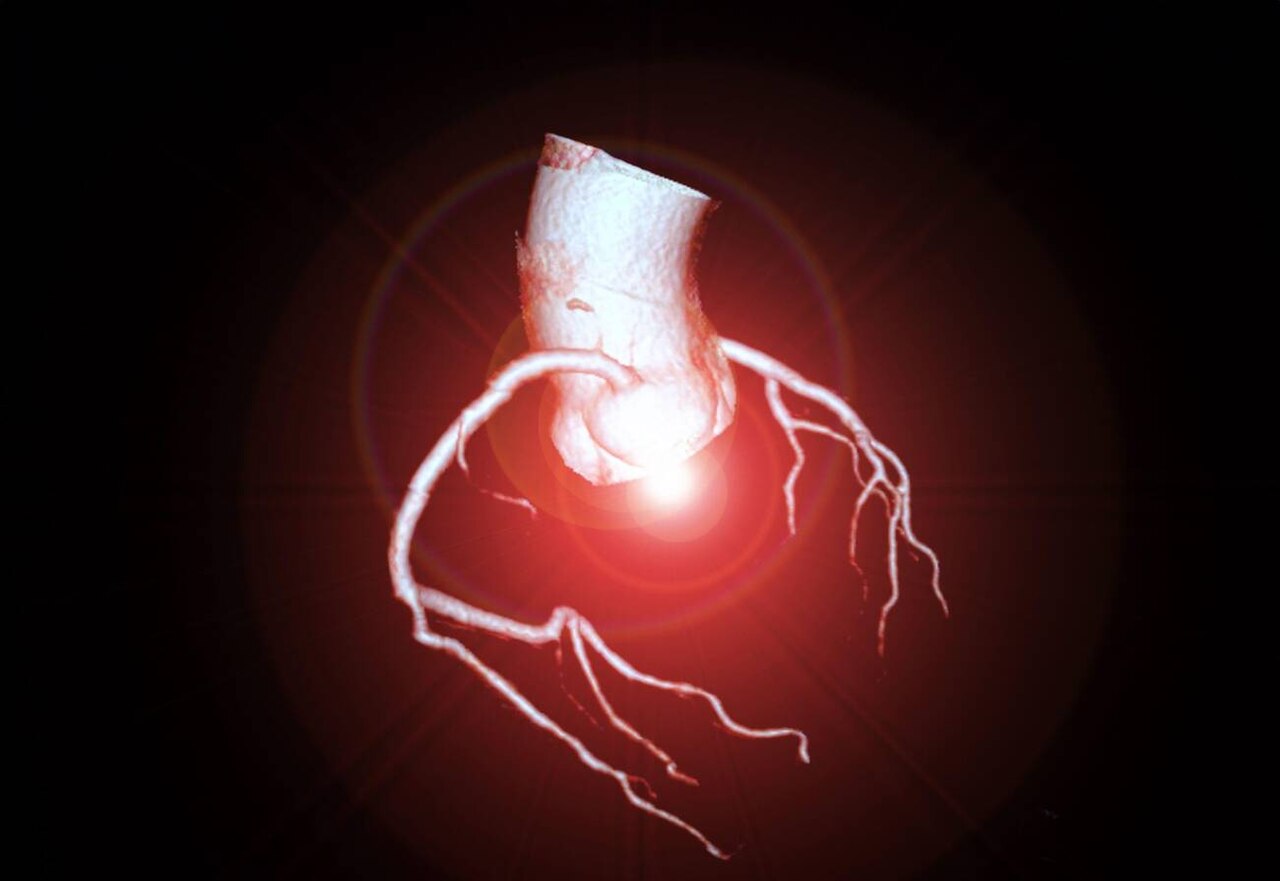
The coronary artery calcium (CAC) score is a low-dose non-contrast CT that quantifies calcified atherosclerotic plaque using the Agatston system. Scoring 0 in an intermediate-risk (5–20% 10-year ASCVD) adult reclassifies to low risk and often justifies deferring statin. Scoring > 100 or > 75th percentile for age/sex strengthens the case for a statin.
CAC scoring is one of the most useful decision aids for personalising primary cardiovascular prevention. AHA/ACC 2018 (updated 2022) and ESC 2021 guidelines endorse CAC to reclassify intermediate-risk patients when statin decisions are uncertain. Agatston score categories: 0 (no calcium — very low near-term risk), 1–99 (mild), 100–299 (moderate), ≥ 300 or ≥ 75th percentile (severe). CAC = 0 in intermediate-risk primary-prevention patients is associated with < 1% 10-year hard event risk — statins can be safely deferred and re-evaluated in 5 years unless clinical situation changes. CAC ≥ 100 or ≥ 75th percentile reclassifies upward — statin recommended. The MESA (Multi-Ethnic Study of Atherosclerosis) calculator integrates CAC with traditional risk factors for individualised risk. Radiation dose ~0.5–1.5 mSv. Contraindications minimal (usual CT); no iodinated contrast used. CAC does NOT measure soft (non-calcified vulnerable) plaque — symptomatic patients with a normal CAC still need functional or CCTA workup. Use in ages 40–75 (best evidence). Note: not recommended for known CAD (already established); use CCTA instead.
- Radiation dose
- ~0.5–1.5 mSv
- Best for
- Intermediate-risk asymptomatic 40–75 y
- Score 0
- Very low near-term risk; may defer statin
- Score ≥ 100
- Statin indicated
- Not for
- Known CAD or acute symptoms
CAC categories + typical actions
| Score | Category | Typical action |
|---|---|---|
| 0 | Very low | Reassure; may defer statin |
| 1 – 99 | Mild | Consider statin per risk factors |
| 100 – 299 | Moderate | Statin recommended |
| ≥ 300 or ≥ 75th pctile | Severe | Aggressive prevention |
Who benefits most
Adults 40–75 with intermediate 10-year ASCVD risk (~5–20%) and statin decision uncertainty.
Family history of premature CAD without traditional risk factors.
Patients hesitant to start statins wanting objective data.
Statin-intolerant patients considering non-statin therapies.
- CAC ≥ 400 — assess for silent ischaemia (CCTA or functional test).
- Chest pain — use ACS/CCTA pathway, NOT CAC.
- Known CAD or previous PCI — CAC not appropriate.
CAC-guided prevention
- 1Intermediate risk + statin uncertain?CAC score.
- 2CAC = 0?Defer statin; re-evaluate in 5 y.
- 3CAC ≥ 100?Start statin.
- 4CAC 1–99?Individualise; consider risk enhancers (Lp(a), family history).
Related questions people ask
Frequently asked questions
- CAC is the most useful tie-breaker in statin decisions.
- Score 0 reclassifies most intermediate-risk to low.
- Score ≥ 100 firmly indicates statin.
- Best in ages 40–75 with intermediate risk.
- Not for symptomatic patients or known CAD.
References
3 sources- ACC/AHA 2019 Primary Prevention Guideline
US cardiology.
ahajournals.org
- ESC 2021 CV Prevention Guideline
European cardiology.
academic.oup.com
- MESA CHD Risk Calculator with CAC
Free online calculator.
mesa-nhlbi.org
Related articles
 Imaging & Diagnostic Tests
Chest X-ray Explained: What It Shows, When You Need One, and Radiation Dose
A chest X-ray delivers a chest radiation dose equivalent to a few days of background radiation. Learn what it detects and what it misses.
 Imaging & Diagnostic Tests
CT Head Scan Explained: When It Is Needed for Stroke, Trauma and Headache
A non-contrast CT head is the first imaging test in stroke and head trauma. Learn NICE criteria, radiation dose, and what CT misses.
 Imaging & Diagnostic Tests
CTPA (CT Pulmonary Angiogram) Explained: Diagnosing Pulmonary Embolism
CTPA is the reference standard for pulmonary embolism. Learn indications, radiation dose, contrast risks, and pregnancy alternatives.