Lipoprotein(a) — Lp(a) — Test Explained: The Hidden Heart-Risk Number You Should Check Once
Lp(a) is a genetically determined cardiovascular risk factor that has flown under the radar for decades. Learn who should test, what the number means, and what modern therapies are on the horizon.
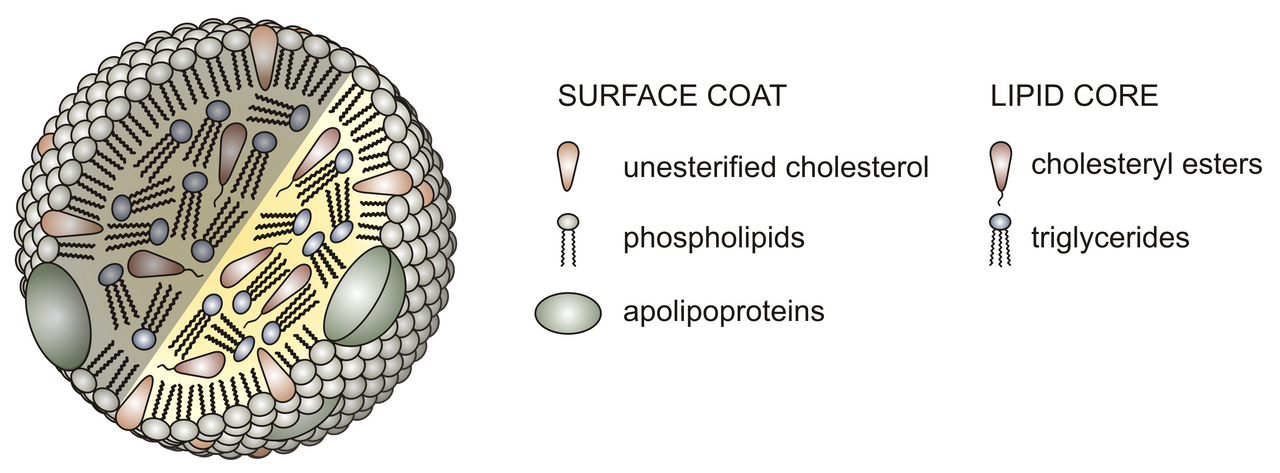
Lp(a) is a genetically determined variant of LDL that carries independent, causal cardiovascular risk. It should be measured at least once in a lifetime because the value is 90% inherited and does not respond to lifestyle. Above 50 mg/dL (or 125 nmol/L) is elevated; above 180 mg/dL is very high and confers roughly a 3-fold increase in atherosclerotic events.
Lipoprotein(a) is an LDL particle with an extra apolipoprotein(a) tail whose length is genetically fixed at birth. Concentration is 90% genetic and stable across a lifetime — one measurement is sufficient. Mendelian randomisation confirms Lp(a) is causal for atherosclerotic cardiovascular disease and for calcific aortic valve stenosis. Elevated in about 1 in 5 adults; more common in South Asian and African populations. Standard cholesterol-lowering drugs (statins, ezetimibe) do NOT lower Lp(a). PCSK9 inhibitors drop it 20–30%. Two RNA-based therapies (pelacarsen antisense oligonucleotide, olpasiran siRNA) reduce Lp(a) by 80–98% in phase 2/3 trials and outcome data is due 2025–2026.
- Optimal
- < 30 mg/dL (< 75 nmol/L)
- Elevated
- > 50 mg/dL (> 125 nmol/L)
- Very high
- > 180 mg/dL (> 430 nmol/L)
- Genetically determined
- ~90%
- Test frequency
- Once in a lifetime is enough
What Lp(a) is and why it flew under the radar
Lp(a) — pronounced "L-P-little-a" — is an LDL particle with an unusual protein tail called apolipoprotein(a) attached to it. The apo(a) protein resembles plasminogen (a clot-buster) but is inactive; when Lp(a) deposits in an arterial wall, it also inhibits fibrinolysis locally, making the resulting plaque more prone to thrombosis. Two mechanisms — atherogenic and prothrombotic — combine to give Lp(a) roughly the same event risk as elevated LDL, per unit particle.
Lp(a) has been known for decades but was ignored clinically because there was no way to lower it. That changed with PCSK9 inhibitors (modest effect) and, more importantly, with RNA-silencing drugs in phase 3 trials. Testing has therefore moved from "academic curiosity" to "actionable once-in-a-lifetime test" in every major cardiovascular guideline (EAS, AHA/ACC, NLA).
Lp(a) risk categories
| Lp(a) (mg/dL) | Lp(a) (nmol/L) | Category | Cardiovascular implication |
|---|---|---|---|
| < 30 | < 75 | Optimal | Baseline population risk |
| 30 – 50 | 75 – 125 | Intermediate | Modest independent risk |
| 50 – 180 | 125 – 430 | Elevated | Roughly 2× baseline event risk |
| > 180 | > 430 | Very high | Roughly 3× baseline event risk |
Who should test — and when
EAS/ACC/AHA and NLA recommend Lp(a) measurement AT LEAST ONCE in every adult. Because it is genetic and stable, one lifetime measurement is sufficient. Priorities: family history of early cardiovascular disease (father < 55, mother < 65), personal history of premature coronary artery disease, calcific aortic valve disease, first-degree relatives with familial hypercholesterolaemia, ethnic backgrounds with higher Lp(a) prevalence (South Asian, African, some Caribbean).
If Lp(a) is elevated, cascade screening of first-degree relatives is worth discussing — half of first-degree relatives will share the elevation.
What raises and lowers Lp(a)
Lifestyle has essentially no effect. Diet, exercise, weight loss, and smoking cessation do not move Lp(a) meaningfully. Statins are neutral or slightly raise it. Niacin lowers it 20–30% but with no proven event benefit. PCSK9 inhibitors lower it 20–30% and are used off-label in high-risk patients with elevated Lp(a) despite adequate LDL control.
The pipeline: pelacarsen (antisense oligonucleotide) reduced Lp(a) by ~80% in the HORIZON trial; olpasiran (siRNA) by 95–98%. Outcome trials due 2025–2026 will determine whether lowering Lp(a) pharmacologically reduces cardiovascular events — expected but not yet proven. In the meantime, elevated Lp(a) shifts the treatment of OTHER risk factors more aggressively: LDL and blood pressure targets are pushed lower.
- Personal history of heart attack, stroke, or coronary intervention before age 55 (male) or 65 (female).
- First-degree relative with premature cardiovascular disease.
- Family history of familial hypercholesterolaemia.
- Calcific aortic valve disease under age 65.
- High cardiovascular risk score despite well-controlled LDL and blood pressure.
What to do with an elevated Lp(a)
- 1Lp(a) between 50 and 125 mg/dL, no known heart disease?Intensify OTHER risk factor control: aim for LDL < 70 mg/dL, blood pressure < 130/80, smoking cessation. Consider aspirin only if the overall CV risk is high.
- 2Lp(a) > 180 mg/dL, no known heart disease?Very-high-risk category. LDL target < 55 mg/dL, discuss PCSK9 inhibitor if LDL not on target. Family cascade screening.
- 3Elevated Lp(a) + established cardiovascular disease?Aggressive LDL lowering (statin + ezetimibe + PCSK9 inhibitor as needed). Enrolment in RNA-therapy trials if available.
- 4Elevated Lp(a) + calcific aortic stenosis?No proven Lp(a)-targeted therapy yet — control all other CV risk factors. Follow valve progression with echocardiography.
Related questions people ask
- How often should Lp(a) be tested?
- Do statins lower Lp(a)?
- Is Lp(a) hereditary?
- What is pelacarsen?
- How does Lp(a) compare to LDL?
- Does Lp(a) affect aortic valve disease?
- Should my children have Lp(a) checked?
Frequently asked questions
- Lp(a) is a genetic, once-in-a-lifetime test.
- Optimal < 30 mg/dL, elevated > 50, very high > 180.
- Lifestyle does NOT lower Lp(a); statins are neutral.
- PCSK9 inhibitors drop it modestly; RNA therapies drop it 80–98%.
- Elevated Lp(a) tightens targets for OTHER risk factors (LDL, blood pressure).
- Cascade screening of first-degree relatives is worthwhile.
References
3 sources- European Atherosclerosis Society (EAS)Lp(a) Consensus Statement
Comprehensive Lp(a) evidence review.
atherosclerosis-journal.com
- NLALp(a) Scientific Statement
US National Lipid Association guidance.
lipid.org
- AHALipoprotein(a): A Genetically Determined, Causal, and Prevalent Risk Factor
AHA scientific statement.
ahajournals.org
Related articles
 Laboratory Tests
TSH Test: Normal Range, High, Low & What Your Result Actually Means
TSH is the single most important thyroid number. Understand normal ranges by age and pregnancy, what a high or low value really tells you, and the two follow-up tests that clinch the diagnosis.
 Laboratory Tests
HbA1c Test: Normal Range, Prediabetic, Diabetic Cut-offs & How to Lower It
HbA1c reflects your average blood sugar over ~3 months. Understand every threshold — normal, prediabetes, diabetes — and the realistic actions that move the number.
 Laboratory Tests
LDL Cholesterol: Optimal Numbers, High Numbers, and How to Read Yours
LDL is the "bad" cholesterol only if you leave the story there. Understand optimal targets by risk group, the ApoB perspective, and the interventions that actually shift the number.