High ALT with Normal AST: Reading the Liver Enzyme Pattern
ALT is more liver-specific than AST. An isolated ALT rise usually points to fatty liver, medication, or hepatitis — not to something dramatic. Here is the map.
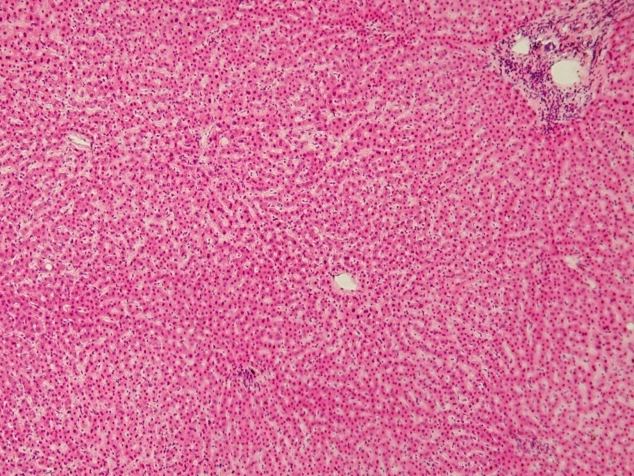
ALT sits almost entirely inside the liver, while AST is found in liver, heart, muscle, and red cells. An isolated ALT rise with normal AST therefore points squarely at the liver. The most common cause is non-alcoholic fatty liver disease (NAFLD), followed by medications (statins, paracetamol, antibiotics), hepatitis B or C, coeliac disease, and haemochromatosis. Ask for a full liver screen — do not chase the ALT number in isolation.
ALT is largely liver-specific whereas AST also comes from heart, muscle, and red cells. An isolated ALT elevation with normal AST points at the liver. Non-alcoholic fatty liver disease (NAFLD) is the most common cause, followed by medications, chronic hepatitis, coeliac disease, and haemochromatosis. Persistent elevation over 3 months warrants a full liver screen.
- ALT source
- ~90% liver
- AST source
- Liver, heart, skeletal muscle, RBC
- Isolated ALT rise
- Points to hepatocellular injury
- Most common cause
- NAFLD / MASH
What the AST:ALT ratio tells you
When both are elevated, the ratio matters. AST:ALT < 1 suggests hepatocellular / metabolic causes — NAFLD, viral hepatitis, coeliac. AST:ALT > 2 with high GGT suggests alcohol-related liver disease. AST:ALT > 1 in a patient with muscle symptoms may reflect muscle damage or statin myopathy rather than liver.
An isolated ALT (with truly normal AST) is a bit different — the ratio is undefined, but the pattern points to mild ongoing hepatocellular strain. Two-thirds of these turn out to be NAFLD, particularly in patients with any component of metabolic syndrome.
Common causes of isolated ALT elevation
| Cause | Clues | Next step |
|---|---|---|
| NAFLD / MASH | BMI > 25, waist > threshold, diabetes / prediabetes, dyslipidaemia | Liver ultrasound + FIB-4 score |
| Statin or other drug | Recently started medication | Recheck in 4–8 weeks after review |
| Chronic hepatitis B / C | Country of birth risk, IV drug history, transfusion | HBsAg, HCV antibody |
| Coeliac disease | GI symptoms, iron deficiency, family history | Anti-tTG antibody |
| Haemochromatosis | Ferritin > 300 with high transferrin saturation | HFE gene test |
| Alpha-1 antitrypsin deficiency | Young, family history, unexplained lung disease | A1AT level |
| Autoimmune hepatitis | Female, other autoimmune disease, high IgG | ANA, SMA, anti-LKM |
What "normal" actually means for ALT
Lab reference ranges for ALT often go up to 40–55 U/L. That upper limit was defined using populations that included people with undiagnosed NAFLD, alcohol use, and hepatitis. Newer 2019+ guidelines suggest a healthy upper limit of 30 U/L for men and 19 U/L for women. That means many "normal" ALT results are actually mildly abnormal on the more accurate scale.
Persistently elevated ALT — even in the 40–60 range — is worth investigating if it stays there over 3 months, especially in the presence of metabolic risk factors. NAFLD affects roughly a quarter of adults globally in 2026 and is the leading cause of chronic ALT elevation.
- ALT is above 10× the upper limit (>400 U/L) — think acute viral or drug-induced hepatitis.
- ALT rising with jaundice, dark urine, or pale stools — acute hepatitis / obstruction.
- You have started a new medication in the last 6 weeks — drug-induced liver injury.
- Confusion, easy bruising, or ascites — signs of significant liver failure.
A practical next-step plan
- 1ALT 1–2× ULN in a well patient?Repeat in 3 months. Address lifestyle (weight, alcohol, sugar, medications).
- 2Persistent ALT elevation > 3 months?Full liver screen: hepatitis B & C, ANA, SMA, anti-LKM, IgG, ferritin, transferrin saturation, coeliac serology, A1AT, ultrasound, FIB-4 score.
- 3FIB-4 above 1.3 (or 2.0 if over 65)?Assess for advanced fibrosis with FibroScan or a hepatologist review.
- 4Very high ALT (>10× ULN)?Same-day medical review. Consider drug-induced liver injury, acute viral hepatitis, ischaemic hepatitis, autoimmune flare.
Related questions people ask
- Can exercise raise ALT?
- Do statins raise ALT permanently?
- What is the AST:ALT ratio and what does it mean?
- Can I reverse fatty liver disease?
- What is FIB-4?
- Does coeliac disease raise liver enzymes?
- When should ALT elevation be treated urgently?
Frequently asked questions
- Isolated ALT rise = liver until proven otherwise.
- NAFLD/MASH is the most common cause in 2026.
- True upper limit is lower than most lab reference ranges (30 M / 19 F).
- Persistent ALT > 3 months = full liver screen + FIB-4.
- ALT > 10× ULN needs same-day medical review.
References
2 sources- AASLD GuidanceNAFLD/MASH
NAFLD/MASH management guidance.
aasld.org
- ACG Clinical GuidelineAbnormal LFTs
Evaluation of abnormal liver chemistries.
gi.org
Related articles
 Lab Interpretation
Vitamin D Deficiency: When Low Numbers Actually Matter
A "low" vitamin D result is not always a real deficiency, and not every low result needs treatment. Here is how clinicians actually decide.
 Lab Interpretation
High Ferritin with Low Iron: What the Combination Really Means
Ferritin is not just an iron store — it is also an inflammation marker. High ferritin with low serum iron usually means inflammation-trapped iron, not overload.
 Lab Interpretation
High HbA1c but Normal Blood Sugar Readings: What Is Going On?
Home glucose looks fine but the lab HbA1c is 6.5%? Post-meal spikes, dawn phenomenon, anaemia, and haemoglobin variants can all cause this paradox.