High White Blood Cells but No Infection: 20 Non-Infectious Causes
Leukocytosis without infection is common and often benign — stress, smoking, medications, exercise, and physiological states all raise white cells. When it is not benign matters.
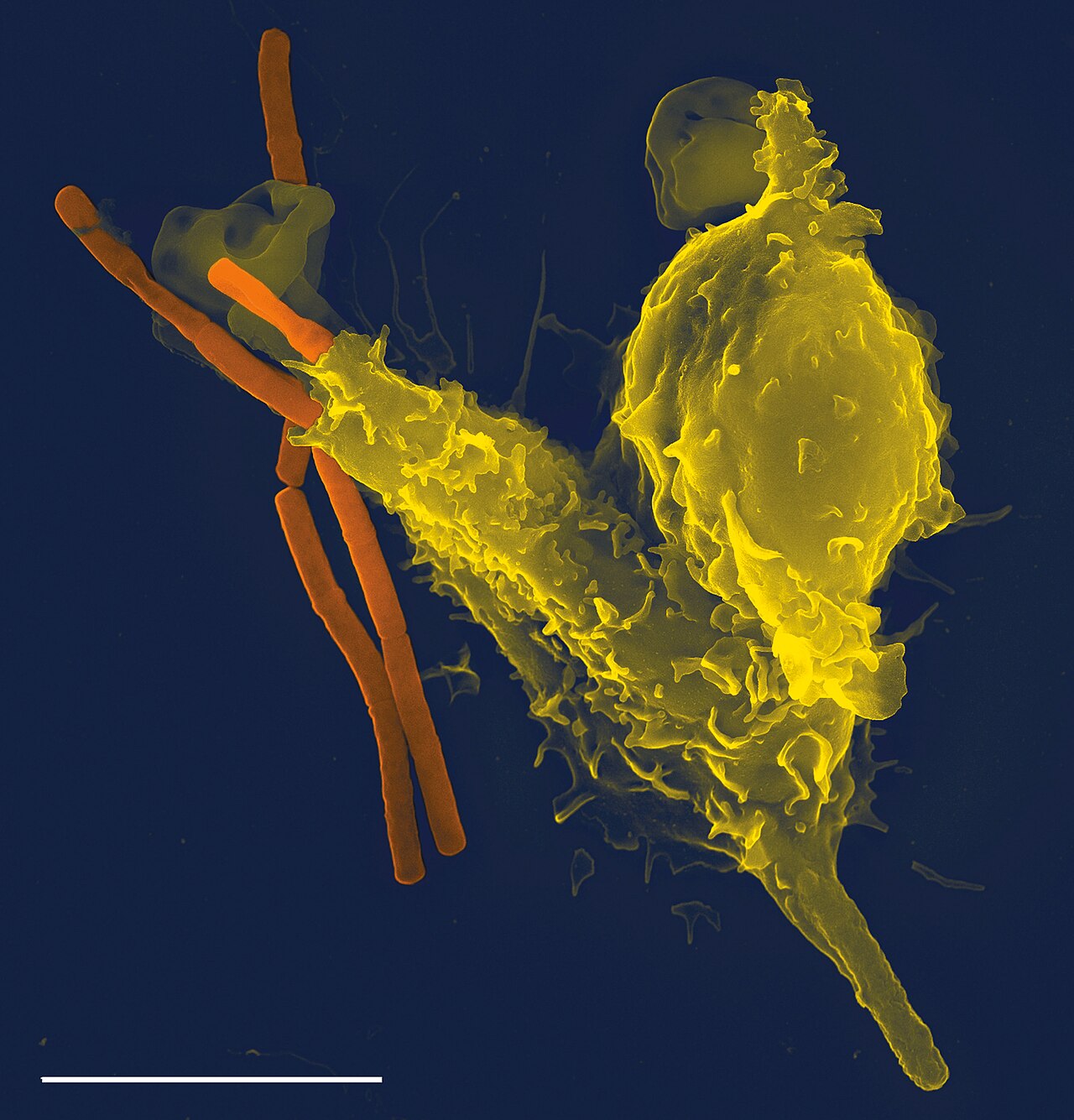
A WBC above 11 × 10⁹/L in a well person is more often non-infectious than infectious. Common non-infectious drivers include acute stress, smoking, corticosteroids, adrenaline, recent exercise, pregnancy, obesity, and inflammation of any kind. Persistent elevations without an obvious cause warrant a differential white-cell count and often a peripheral smear.
White blood cell counts above 11 × 10⁹/L in a well person are commonly non-infectious. Stress, smoking, corticosteroids, exercise, pregnancy, obesity, and myeloproliferative disorders all raise WBC. The differential count is the most important next step — the specific cell type elevated narrows the differential. Values above 30 or blasts on smear need urgent haematology review.
- Adult normal range
- 4.0–11.0 × 10⁹/L
- Physiological range
- Up to 15 in stress, exercise, smoking
- Key first step
- Differential count (which cell is up?)
- When to worry
- Very high (>30), blasts on smear, B symptoms
Which cell is high changes everything
The white cell total on a CBC is the sum of neutrophils, lymphocytes, monocytes, eosinophils, and basophils. Each has a very different differential. A "high WBC" that is 90% neutrophils tells a different story than one that is 60% lymphocytes.
The single most useful next step is the differential white-cell count — often already on the CBC — plus a peripheral blood film if the elevation is significant or persistent.
20 non-infectious causes by cell type
| Elevated cell | Common non-infectious causes |
|---|---|
| Neutrophilia | Stress, exercise, smoking, corticosteroids, adrenaline, myocardial infarction, surgery, trauma, burns, pregnancy, obesity, CML, chronic inflammation, splenectomy |
| Lymphocytosis | Viral post-infection (persistent for weeks), smoking, adrenaline, stress, CLL, chronic infection reservoirs |
| Monocytosis | Chronic infection, autoimmune disease, myeloproliferative disorders, CMML |
| Eosinophilia | Allergies, asthma, drug reactions, parasites, autoimmune (EGPA, DRESS), hypereosinophilic syndrome |
| Basophilia | Myeloproliferative disorders (CML), hypothyroidism, chronic inflammation |
Physiological leukocytosis is real
Getting up before a blood draw, walking briskly to the clinic, drinking coffee, or being nervous about the test can all shift WBC by 20–40%. Smokers run WBC counts 1–2 × 10⁹/L higher than non-smokers as a baseline. Late pregnancy also runs 12–15 as normal.
Corticosteroids demarginate neutrophils from vessel walls into circulation within hours — a WBC of 15–18 during a steroid course is not automatically pathological.
- WBC > 30 × 10⁹/L.
- Blasts (immature cells) on the peripheral smear.
- Persistent elevation with weight loss, night sweats, or unexplained fever.
- Enlarged spleen or lymph nodes on examination.
- Anaemia or low platelets alongside high WBC.
Sensible next steps
- 1One-off WBC 11–15, feels well, no red flags?Repeat in 4–6 weeks with differential. Usually returns to normal.
- 2Persistent elevation, no infection, no red flags?Full differential, blood film, LDH, CRP, and clinical context (smoking, meds, stress, recent illness).
- 3WBC > 30 or blasts on film?Urgent haematology referral. Consider CML, AML, ALL depending on differential.
- 4Very high eosinophils?Rule out drugs, parasites, and asthma. Persistent eosinophilia > 1.5 × 10⁹/L for > 6 months = hypereosinophilic syndrome workup.
Related questions people ask
- Can stress really raise white blood cells?
- How much does smoking increase WBC?
- What is a peripheral blood smear?
- What is leukocytosis vs leukaemia?
- Can pregnancy raise white blood cells?
- What are blasts in a blood test?
- Does obesity cause a high WBC count?
Frequently asked questions
- A high WBC with no symptoms is usually not sinister.
- Always look at the differential — the specific cell type changes the differential completely.
- Stress, smoking, exercise, steroids, and pregnancy all raise WBC physiologically.
- WBC > 30 or blasts on smear = urgent haematology.
References
2 sources- American Society of Hematology
Leukocytosis evaluation guidance.
hematology.org
- BJH GuidelinesChronic myeloid disorders
MPN classification and workup.
onlinelibrary.wiley.com
Related articles
 Lab Interpretation
Vitamin D Deficiency: When Low Numbers Actually Matter
A "low" vitamin D result is not always a real deficiency, and not every low result needs treatment. Here is how clinicians actually decide.
 Lab Interpretation
High Ferritin with Low Iron: What the Combination Really Means
Ferritin is not just an iron store — it is also an inflammation marker. High ferritin with low serum iron usually means inflammation-trapped iron, not overload.
 Lab Interpretation
High HbA1c but Normal Blood Sugar Readings: What Is Going On?
Home glucose looks fine but the lab HbA1c is 6.5%? Post-meal spikes, dawn phenomenon, anaemia, and haemoglobin variants can all cause this paradox.