hs-CRP Test: What High-Sensitivity CRP Says About Your Heart Risk
Standard CRP looks at infection; hs-CRP looks at the low-grade inflammation that quietly drives heart attacks. Learn when to test, how to interpret, and what to do next.
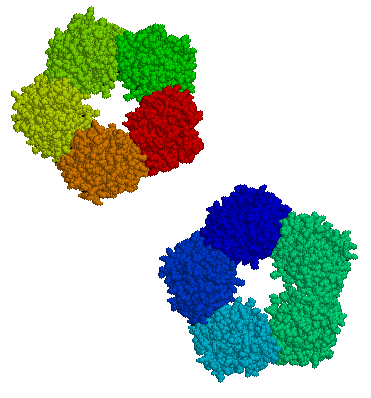
hs-CRP measures very low levels of inflammation that ordinary CRP cannot see. Below 1 mg/L is low cardiovascular risk, 1–3 is moderate, above 3 is high. Anything above 10 usually reflects an active infection or acute inflammation and should be repeated 2–3 weeks later before drawing cardiovascular conclusions.
High-sensitivity CRP (hs-CRP) is a downstream marker of arterial and metabolic inflammation. AHA/CDC risk categories: low < 1 mg/L, moderate 1–3, high > 3. hs-CRP > 2 mg/L in a patient with borderline LDL and intermediate 10-year risk shifts the treatment decision toward statin therapy (JUPITER trial). Values above 10 mg/L are almost always non-cardiovascular — infection, arthritis flare, obesity-related inflammation, recent trauma — and require repeat testing. hs-CRP is a risk MODIFIER, not a stand-alone screening test.
- Low CV risk
- < 1 mg/L
- Moderate CV risk
- 1 – 3 mg/L
- High CV risk
- > 3 mg/L
- Ignore for CV if
- > 10 mg/L — repeat in 2–3 weeks
- Best paired with
- LDL, blood pressure, 10-year CV risk score
CRP vs hs-CRP — what is different
Standard CRP is designed to detect the marked inflammation of infection, autoimmune flares, and post-operative recovery — its lower limit is roughly 10 mg/L. hs-CRP uses a more sensitive assay that can quantify values under 10 mg/L, where the interesting cardiovascular signal lives. The chemistry is identical; only the reporting range differs.
The clinical use is entirely different too. hs-CRP asks "is there low-grade smouldering inflammation contributing to atherosclerosis?" It is not used to look for infection or a rheumatology flare — for that, standard CRP is the tool.
hs-CRP cardiovascular risk categories
| hs-CRP (mg/L) | Risk category | What to consider |
|---|---|---|
| < 1 | Low | Reassure; continue lifestyle preventives |
| 1 – 3 | Moderate | Intensify lifestyle; reassess with LDL and CV risk score |
| > 3 | High | Statin discussion earlier in borderline LDL / intermediate risk |
| > 10 | Non-cardiovascular | Investigate infection, arthritis flare, obesity, malignancy; repeat in 2–3 weeks before CV interpretation |
When to actually order hs-CRP
hs-CRP is most useful when the LDL and calculator-based 10-year cardiovascular risk are BORDERLINE (5–20% by ACC/AHA or QRISK3). It refines the decision on whether to start a statin. In patients whose risk is already clearly low (< 5%) or clearly high (> 20%), hs-CRP does not change the management plan.
The landmark JUPITER trial (2008) randomised 17,802 patients with LDL < 130 mg/dL but hs-CRP > 2 mg/L to rosuvastatin or placebo and showed a 44% reduction in major cardiovascular events over 1.9 years — evidence that hs-CRP identifies a treatable population that LDL alone misses.
What raises hs-CRP
Persistent low-grade elevation of hs-CRP is driven mostly by obesity (adipose tissue produces IL-6), metabolic syndrome, smoking, poor sleep, and inactivity. Genetic and inflammatory conditions (rheumatoid arthritis, psoriasis, inflammatory bowel disease) also raise it. Acute infection or injury spike CRP over days — the whole "> 10 = repeat" rule exists to prevent misinterpreting a viral illness as cardiovascular inflammation.
What lowers hs-CRP: weight loss of 5–10% (drops hs-CRP by ~30%), regular aerobic exercise, smoking cessation, Mediterranean diet, sleep restoration, and statin therapy (drops hs-CRP 15–35% on average). Anti-inflammatory drugs (colchicine, canakinumab) have been trialled specifically to lower cardiovascular inflammation and reduce events (CANTOS, COLCOT, LoDoCo2).
- You have an active infection or have been unwell in the past 2 weeks.
- You have had major surgery, trauma, or a burn in the past month.
- You have an active autoimmune flare (RA, IBD, lupus, gout).
- hs-CRP is above 10 mg/L on the current sample — repeat in 2–3 weeks.
- You are pregnant — pregnancy raises hs-CRP.
How to act on an hs-CRP result
- 1hs-CRP > 10 mg/L?Do NOT interpret for cardiovascular risk. Investigate infection or acute inflammation; repeat hs-CRP in 2–3 weeks once the acute picture resolves.
- 2hs-CRP between 3 and 10 in a patient with borderline LDL?Discuss statin therapy earlier than LDL alone would suggest. Optimise lifestyle first if not already tried.
- 3hs-CRP between 1 and 3?Moderate risk marker — combine with LDL, BP, and a 10-year risk calculator. Prioritise weight, sleep, and exercise if elevated.
- 4hs-CRP < 1?Low inflammatory burden. Continue routine cardiovascular prevention.
Related questions people ask
- What is a normal hs-CRP?
- Does obesity raise hs-CRP?
- How does hs-CRP compare to LDL for heart risk?
- Should I take a statin if my hs-CRP is high?
- What lifestyle changes lower hs-CRP fastest?
- What is the JUPITER trial?
- When should I NOT test hs-CRP?
Frequently asked questions
- hs-CRP is a cardiovascular risk MODIFIER, not a screening test.
- Categories: < 1 low, 1–3 moderate, > 3 high; > 10 = investigate non-CV cause.
- Most useful in borderline LDL / intermediate 10-year risk.
- JUPITER trial validated statin therapy in high-hs-CRP low-LDL patients.
- Weight loss, exercise, smoking cessation, and statins all lower hs-CRP meaningfully.
- Never interpret a single high hs-CRP without excluding infection, injury, or autoimmune flare first.
References
3 sources- AHA/CDCMarkers of Inflammation and Cardiovascular Disease
Original risk category consensus.
ahajournals.org
- ESC2021 Guidelines on Cardiovascular Disease Prevention
European framework for CV risk assessment.
academic.oup.com
- CDCAbout Cardiovascular Disease Risk Factors
US population risk-factor overview.
cdc.gov
Related articles
 Laboratory Tests
TSH Test: Normal Range, High, Low & What Your Result Actually Means
TSH is the single most important thyroid number. Understand normal ranges by age and pregnancy, what a high or low value really tells you, and the two follow-up tests that clinch the diagnosis.
 Laboratory Tests
HbA1c Test: Normal Range, Prediabetic, Diabetic Cut-offs & How to Lower It
HbA1c reflects your average blood sugar over ~3 months. Understand every threshold — normal, prediabetes, diabetes — and the realistic actions that move the number.
 Laboratory Tests
LDL Cholesterol: Optimal Numbers, High Numbers, and How to Read Yours
LDL is the "bad" cholesterol only if you leave the story there. Understand optimal targets by risk group, the ApoB perspective, and the interventions that actually shift the number.