PSA Test: Prostate-Specific Antigen Numbers, Age Adjustments and What to Do Next
PSA is the most controversial routine blood test in medicine. Understand the age-adjusted ranges, why PSA velocity matters more than absolute number, and how modern MRI-first pathways changed the workup.
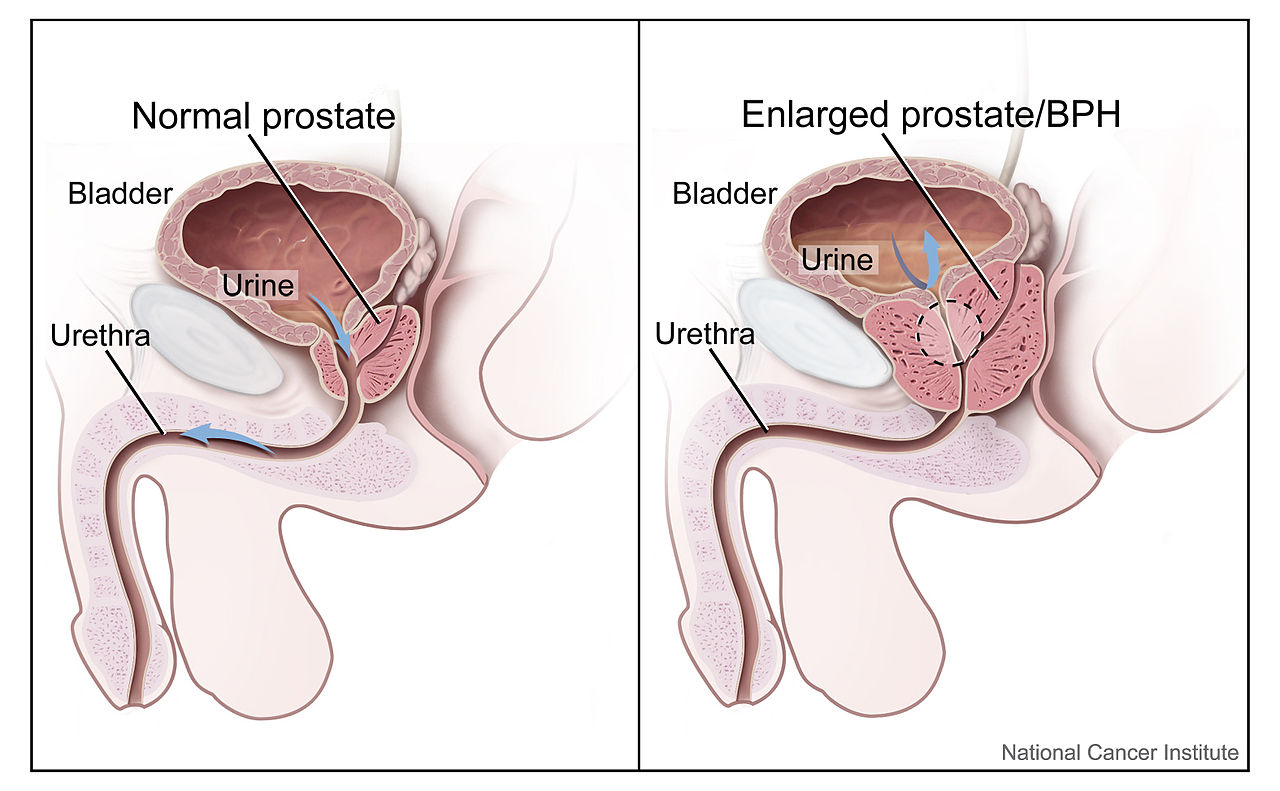
A "normal" PSA depends on age: roughly < 2.5 ng/mL for men in their 40s, < 3.5 for 50s, < 4.5 for 60s, and < 6.5 for 70s. A PSA above the age threshold does NOT confirm prostate cancer — it triggers a considered workup, ideally with a multi-parametric MRI before any biopsy. Free-to-total PSA ratio, PSA velocity, and PSA density refine the picture.
PSA is a glycoprotein produced by prostate epithelial cells; both benign and malignant tissue release it. Age-adjusted upper limits (Oesterling): 2.5 ng/mL (40s), 3.5 (50s), 4.5 (60s), 6.5 (70s). Modern practice replaces "PSA > 4 = biopsy" with a two-stage pathway: (1) confirm elevated PSA on a second sample 2–6 weeks later, avoiding recent ejaculation, DRE, cycling, catheterisation, or UTI; (2) if persistent, request multi-parametric prostate MRI. MRI PI-RADS scoring identifies lesions worth biopsying and lets low-suspicion cases avoid biopsy altogether. Free-to-total PSA ratio < 0.15 raises suspicion of malignancy; PSA density > 0.15 ng/mL/cc likewise. Screening reduces prostate-cancer mortality (~20–30% in ERSPC follow-up) but at the cost of overdiagnosis — shared decision-making is standard.
- Age 40–49
- < 2.5 ng/mL
- Age 50–59
- < 3.5 ng/mL
- Age 60–69
- < 4.5 ng/mL
- Age 70+
- < 6.5 ng/mL
- Free/total PSA ratio < 0.15
- Higher cancer probability
- Next step after elevated
- Repeat + multi-parametric MRI (NOT immediate biopsy)
What PSA is and is not
PSA is a protein made by prostate cells — both healthy and cancerous. It liquefies semen and is detectable in blood in tiny quantities. When the prostate enlarges (benign prostatic hyperplasia), inflames (prostatitis), or develops cancer, PSA release goes up. Because all three conditions raise PSA, an elevated result identifies "something is going on with the prostate" — not specifically cancer.
PSA is also raised by mechanical stimulation of the prostate (digital rectal examination, cycling, prolonged sitting, ejaculation) and by anything that inflames the urinary tract (recent UTI, catheterisation). These effects can double or triple the PSA transiently. A first-ever elevated PSA is always repeated 2–6 weeks later after avoiding these triggers.
Age-adjusted PSA upper limits (Oesterling)
| Age band | Upper limit (ng/mL) | Notes |
|---|---|---|
| 40 – 49 | 2.5 | PSA velocity > 0.35 ng/mL per year is concerning even below 2.5 |
| 50 – 59 | 3.5 | Common screening decade in many guidelines |
| 60 – 69 | 4.5 | Screening benefits peak in this decade |
| 70 – 79 | 6.5 | Screening only if life expectancy > 10 years |
| ≥ 80 | — | Routine screening not recommended for most |
Refining an elevated PSA
When PSA sits above the age threshold, three "refiners" reduce false positives before any biopsy. Free-to-total PSA ratio: PSA circulates in bound and free forms — cancer cells tend to release more bound PSA, so a lower free ratio (< 0.15) raises cancer probability. PSA density (PSA divided by prostate volume on MRI): densities above 0.15 ng/mL/cc raise suspicion; below 0.10 usually favours benign hyperplasia. PSA velocity: a rise > 0.75 ng/mL per year (or 0.35 in younger men) matters more than a static borderline value.
The biggest change in the past decade is the routine use of multi-parametric MRI BEFORE biopsy. The PRECISION trial (2018) and follow-up MRI-first pathways show MRI can avoid up to 30% of biopsies while catching clinically significant cancers earlier. PI-RADS scoring on MRI (1–5) directs targeted biopsy only to areas that look suspicious.
Screening controversy in plain English
PSA screening is genuinely nuanced. The European ERSPC trial (long-term follow-up) shows PSA screening reduces prostate-cancer mortality by roughly 20–30% over 16 years. The US PLCO trial did not show a benefit — likely because most of the control arm was also screened outside the trial. The trade-off is overdiagnosis: many detected cancers would never have caused harm in a man’s lifetime, but the label triggers treatment (surgery, radiation) with real side-effects (incontinence, erectile dysfunction).
Current guidelines (USPSTF, EAU, NICE) recommend a shared decision-making conversation for men aged 50–69 (or 45+ if family history or Black ethnicity). The conversation includes the modest mortality reduction, the risk of overdiagnosis, and the modern MRI-first pathway that mitigates unnecessary biopsy.
- Blood in urine or semen.
- Bone pain, unintentional weight loss, or new back pain.
- Family history of prostate cancer under age 65 (father or brother).
- PSA doubling within 12 months.
- PSA > 20 ng/mL — urgent urology referral regardless of symptoms.
PSA next-step decision tree
- 1First-ever mildly elevated PSA?Repeat in 2–6 weeks after avoiding cycling, sex, DRE, and treating any UTI. Roughly 25% of raised PSAs normalise on repeat.
- 2Persistently elevated PSA?Request a multi-parametric prostate MRI (mpMRI) with PI-RADS scoring. Do NOT go straight to biopsy.
- 3MRI PI-RADS 1 or 2?Low suspicion. Biopsy usually deferred; PSA monitoring at 6–12 month intervals.
- 4MRI PI-RADS 3, 4 or 5?Targeted biopsy of the suspicious lesion, often with systematic template biopsy for context.
Related questions people ask
- What causes a falsely elevated PSA?
- Do I need a biopsy after a high PSA?
- What is PI-RADS?
- How does BPH affect PSA?
- Is PSA screening recommended after age 70?
- What does PSA velocity mean?
- How is free-to-total PSA ratio interpreted?
Frequently asked questions
- PSA thresholds are age-adjusted — one number does not fit all decades.
- A single elevated PSA is always repeated after removing confounders.
- Modern pathways use multi-parametric MRI BEFORE biopsy.
- Free/total PSA ratio and PSA density refine the picture.
- Screening reduces prostate-cancer mortality modestly but at the cost of overdiagnosis — shared decision-making is standard.
- Finasteride/dutasteride halve PSA — always multiply by 2 for interpretation.
References
3 sources- EAUGuidelines on Prostate Cancer
European urology society reference standard.
uroweb.org
- USPSTFProstate Cancer Screening
US screening recommendation.
uspreventiveservicestaskforce.org
- NICE NG131Prostate cancer: diagnosis and management
UK prostate cancer diagnostic pathway.
nice.org.uk
Evidence Snapshot
This snapshot shows verified evidence records matched to this article. It is not a diagnosis or personal medical advice.
PSA can be elevated by non-cancer causes including benign prostatic hyperplasia, prostatitis, urinary tract infection and recent prostate manipulation such as a digital rectal examination.
Limitation. An elevated PSA alone cannot distinguish between benign and malignant prostate conditions.
Prostate-specific antigen (PSA) is a protein produced by prostate epithelial cells; a small amount enters the bloodstream in men without prostate disease.
Limitation. A single PSA value cannot distinguish among the possible causes of an elevation.
Contemporary US guidance recommends that decisions about PSA-based screening for prostate cancer be individualised through shared decision-making, particularly in men aged 55 to 69, rather than applied universally.
Limitation. Individual benefit-harm balance depends on age, family history, comorbidities and personal values.
Related articles
 Laboratory Tests
TSH Test: Normal Range, High, Low & What Your Result Actually Means
TSH is the single most important thyroid number. Understand normal ranges by age and pregnancy, what a high or low value really tells you, and the two follow-up tests that clinch the diagnosis.
 Laboratory Tests
HbA1c Test: Normal Range, Prediabetic, Diabetic Cut-offs & How to Lower It
HbA1c reflects your average blood sugar over ~3 months. Understand every threshold — normal, prediabetes, diabetes — and the realistic actions that move the number.
 Laboratory Tests
LDL Cholesterol: Optimal Numbers, High Numbers, and How to Read Yours
LDL is the "bad" cholesterol only if you leave the story there. Understand optimal targets by risk group, the ApoB perspective, and the interventions that actually shift the number.