Strength Training After 50: The Anti-Sarcopenia Playbook
You don't lose muscle because you age. You lose it because you stop loading it. Here is how to reverse the trajectory.
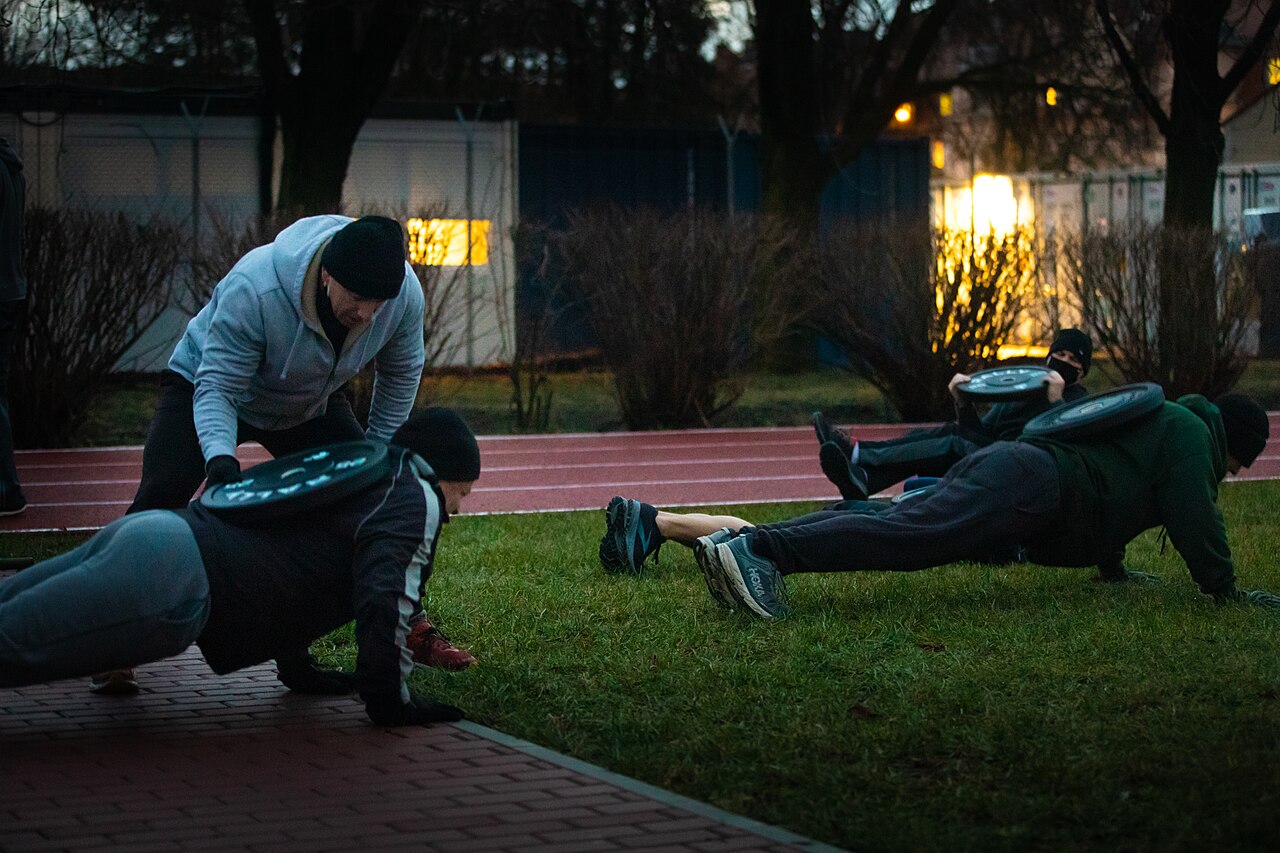
The default trajectory
Untrained adults lose about 1% of muscle mass and 3% of strength per year after 40. By 70 that compounds into the loss of the muscle you need to rise from a chair, climb a flight of stairs, or catch yourself from a fall.
The reversal protocol
Two full-body sessions per week, 45–60 minutes each. Five movement patterns covered every session: squat (sit-to-stand or goblet), hinge (deadlift or Romanian), push (press), pull (row), and carry (loaded walks). Two to three sets of 8–12 reps. Add a little weight each fortnight when you can.
Resistance training is the only intervention shown to reliably reverse sarcopenia and rebuild bone density. Walking does not. Yoga does not. Pilates, mostly, does not. Lifting things does.
Protein and recovery
Older adults need slightly more protein than younger ones to maintain muscle: 1.2–1.6 g/kg/day. Distribute it: 30+ g at three meals beats 20 g at five.
Related articles
 Healthy Aging
Biological Age vs. Chronological Age: Which One Matters?
The candles on the cake are one story. Your body tells another. Here is how to read both.
 Healthy Aging
VO₂ Max: The Single Number That Predicts How You Will Age
No biomarker — not LDL, not HbA1c, not blood pressure — predicts all-cause mortality as well as VO₂ max.
 Lab Interpretation
Vitamin D Deficiency: When Low Numbers Actually Matter
A "low" vitamin D result is not always a real deficiency, and not every low result needs treatment. Here is how clinicians actually decide.