Biological Age vs. Chronological Age: Which One Matters?
The candles on the cake are one story. Your body tells another. Here is how to read both.
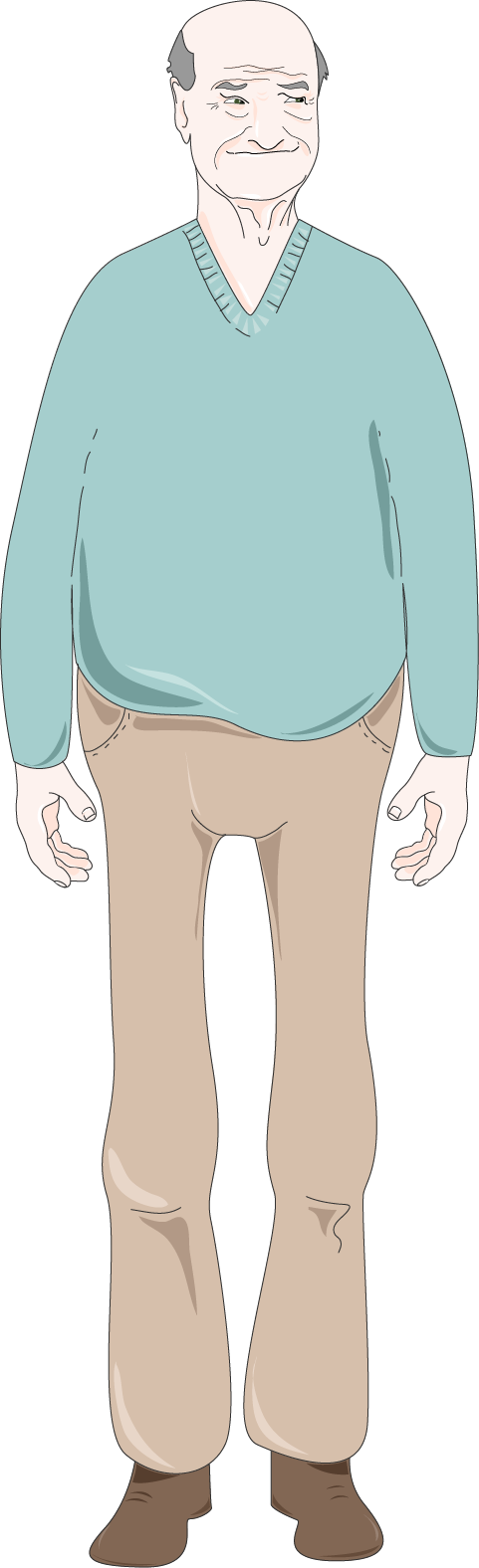
Two clocks, one body
Your chronological age is a fact. Your biological age — how worn or resilient your tissues actually are — is a moving target shaped by sleep, training, nutrition, stress, and a thousand small daily choices.
What modern biological-age tests measure
Epigenetic clocks (DNA methylation patterns), telomere length, inflammation markers (hs-CRP), grip strength, VO₂ max, and HRV all correlate with biological age. None is perfect alone; together they paint a useful picture.
Levers that move the needle
Consistency outranks intensity. Daily Z2 cardio, twice-weekly resistance, 7–9 hours of sleep, low alcohol, social connection, and time outdoors are repeatedly the highest-effect interventions across cohort studies.
Related articles
 Healthy Aging
VO₂ Max: The Single Number That Predicts How You Will Age
No biomarker — not LDL, not HbA1c, not blood pressure — predicts all-cause mortality as well as VO₂ max.
 Healthy Aging
Strength Training After 50: The Anti-Sarcopenia Playbook
You don't lose muscle because you age. You lose it because you stop loading it. Here is how to reverse the trajectory.
 Lab Interpretation
Vitamin D Deficiency: When Low Numbers Actually Matter
A "low" vitamin D result is not always a real deficiency, and not every low result needs treatment. Here is how clinicians actually decide.