 Healthy Aging
Jan 18, 2026 9 min read
Biological Age vs. Chronological Age: Which One Matters?
The candles on the cake are one story. Your body tells another. Here is how to read both.
By Elements84 Medical Editorial Team
Read Precise age in years, months, days, and beyond.
Calendar arithmetic accounts for varying month lengths and leap years.
Metabolic and cardiovascular baseline setting years.
4 months · 25 days
Healthy AgingThe candles on the cake are one story. Your body tells another. Here is how to read both.
 Healthy Aging
No biomarker — not LDL, not HbA1c, not blood pressure — predicts all-cause mortality as well as VO₂ max.
 Healthy Aging
You don't lose muscle because you age. You lose it because you stop loading it. Here is how to reverse the trajectory.
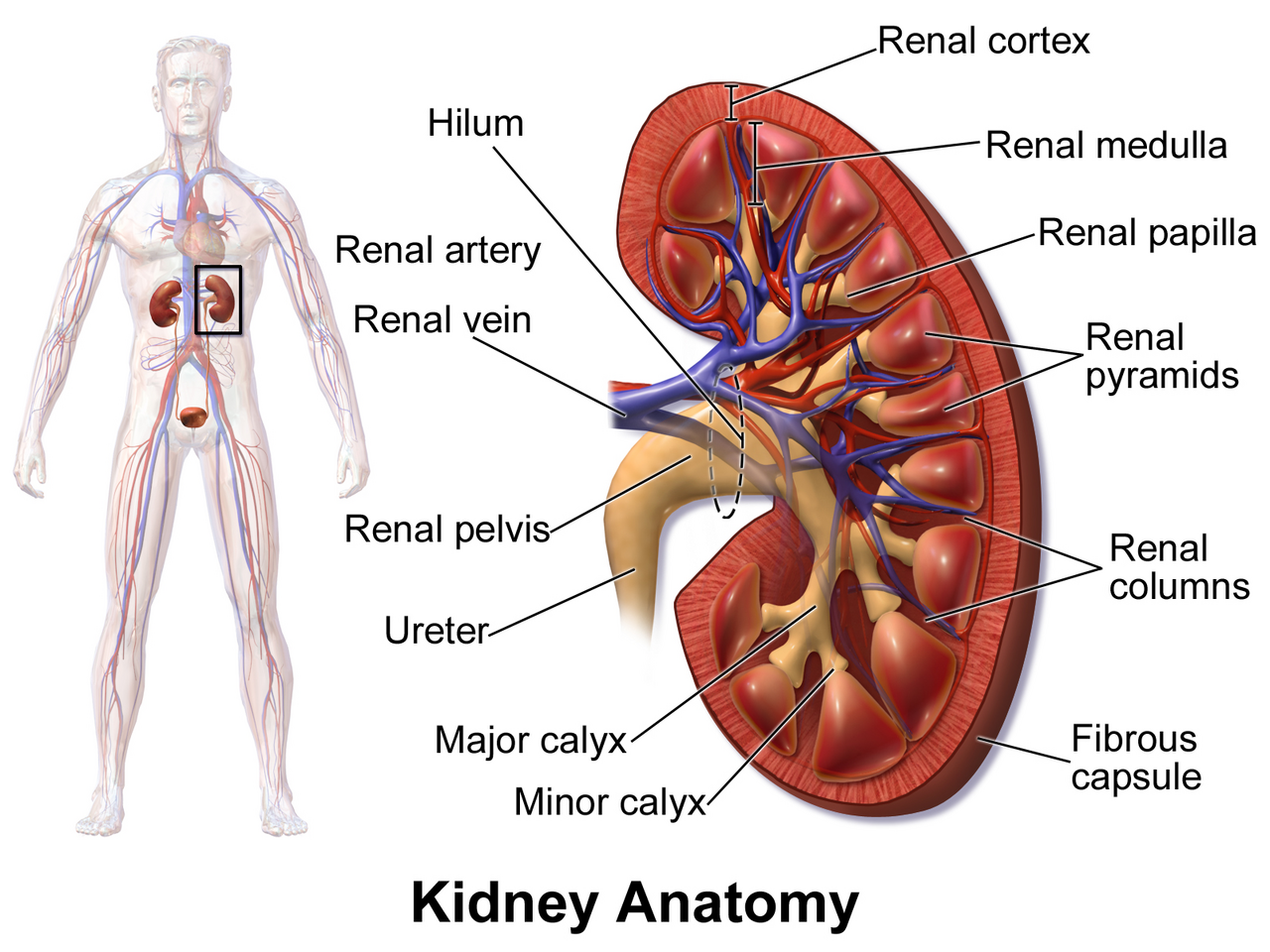 Kidney Function & Electrolytes
Understand what creatinine and estimated GFR (eGFR) measure, why eGFR is a calculated estimate rather than a direct measurement, and why one result cannot diagnose chronic kidney disease on its own.
Metabolic and cardiovascular baseline setting years.
A blood-pressure check every 2 years and a lipid + glucose panel every 3–5 years is a sensible cadence. Bring symptoms early — they are more treatable.