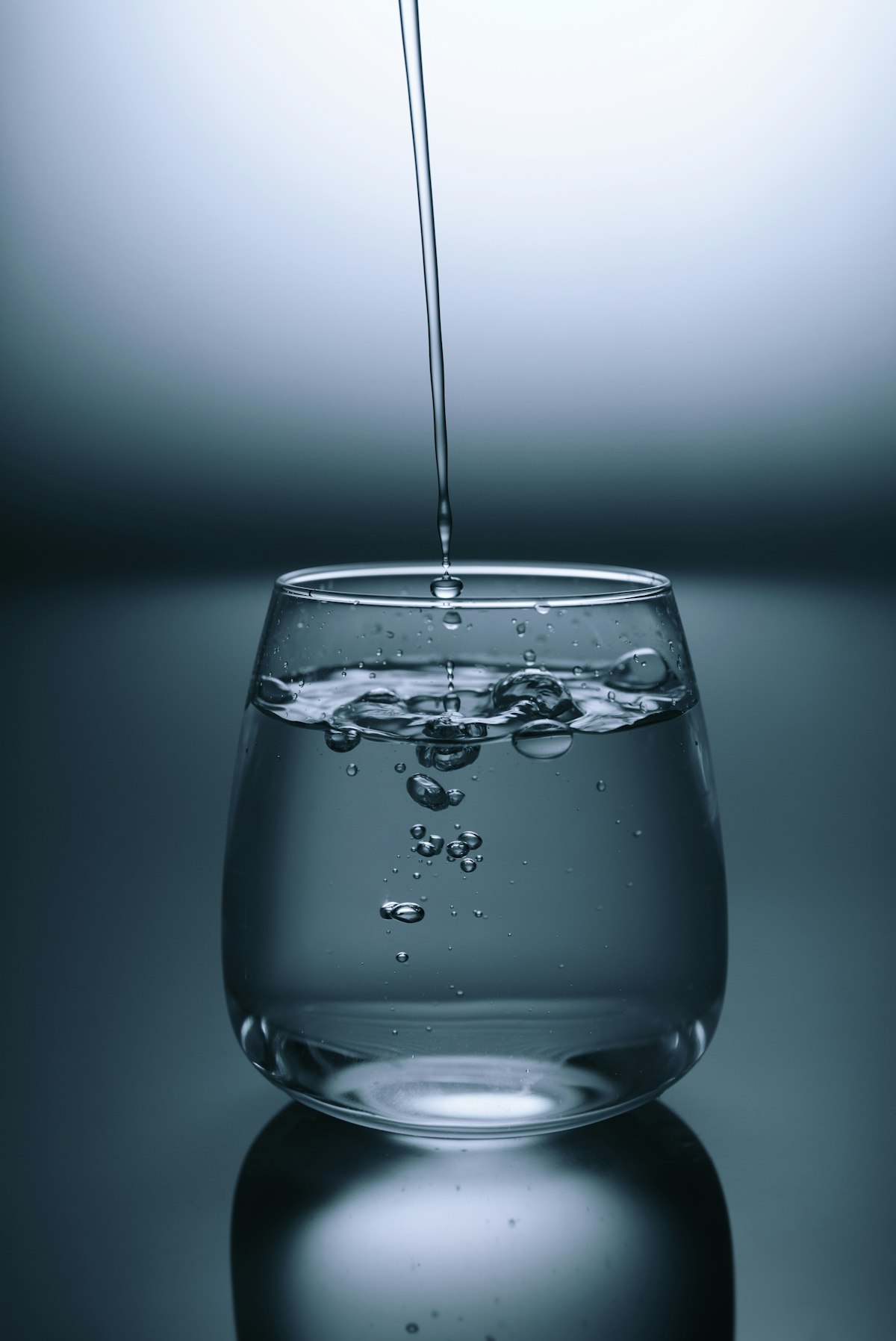
 Hydration
Feb 8, 2026 5 min read
The Science of Hydration: How Much Water Do You Really Need?
The "8 glasses a day" rule is a myth. Modern physiology gives us a far more elegant — and personal — answer.
By Elements84 Medical Editorial Team
Read Personal hydration target based on body and activity.
HydrationThe "8 glasses a day" rule is a myth. Modern physiology gives us a far more elegant — and personal — answer.
 Hydration
When training is long, sweat is heavy, or the day is hot, sodium and potassium become as important as the water you drink.
 Kidney Function & Electrolytes
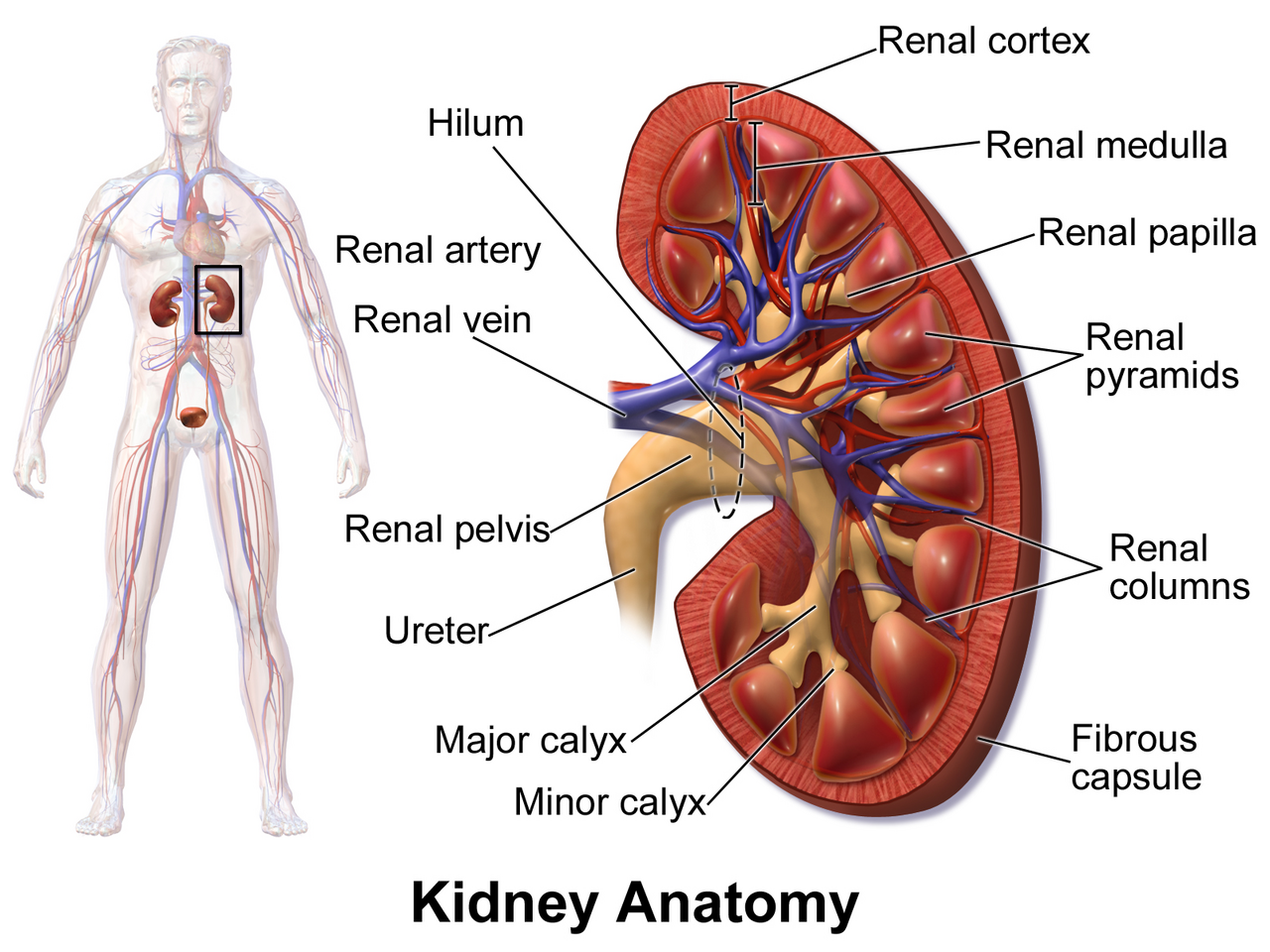
Understand what creatinine and estimated GFR (eGFR) measure, why eGFR is a calculated estimate rather than a direct measurement, and why one result cannot diagnose chronic kidney disease on its own.
 Kidney Function & Electrolytes
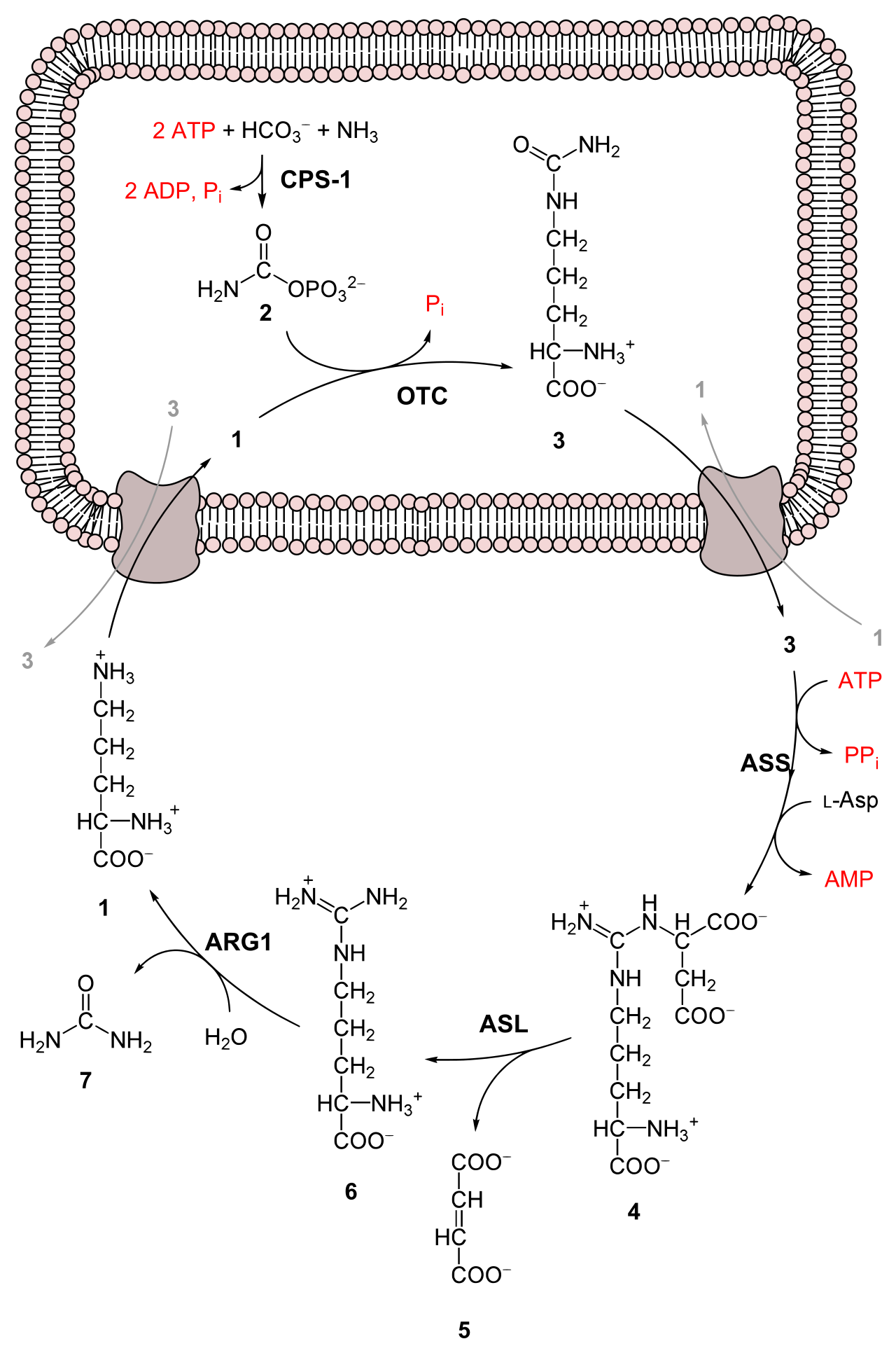
Learn what blood urea nitrogen (BUN) measures, why it can rise for reasons unrelated to kidney filtration, and why the BUN-to-creatinine ratio adds context a single BUN value can't.