Waist-to-Height: The Vital Sign That Outperforms BMI
A tape measure and one ratio reveal more about your metabolic risk than the bathroom scale ever could.
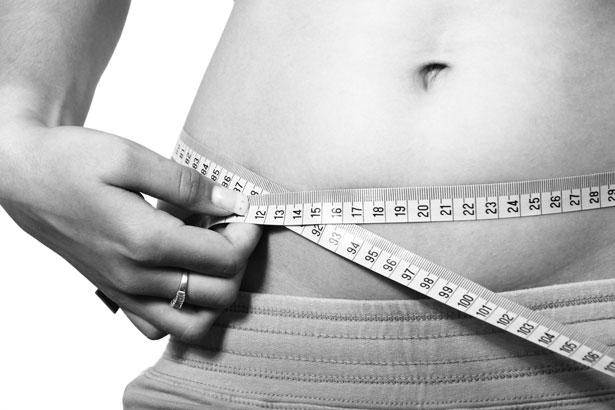
Keep your waist circumference under half your height. That single ratio — waist-to-height ratio (WHtR) < 0.5 — predicts cardiovascular disease, type-2 diabetes and all-cause mortality more accurately than BMI, especially for adults in the BMI 23–30 range where weight alone is a noisy signal.
The waist-to-height ratio is your waist circumference in cm divided by your height in cm. Under 0.5 is healthy for adults; 0.5–0.59 signals increased cardiometabolic risk; 0.6 or above is high risk. WHtR captures visceral fat — the metabolically active fat around the organs — better than BMI, and applies across ethnicities without adjustment.
- Formula
- waist (cm) ÷ height (cm) — same units both sides
- Healthy adult range
- < 0.50
- Increased risk
- 0.50 – 0.59
- High risk
- ≥ 0.60
- Where to measure
- Just above the hipbone, level with the navel
- When to measure
- Morning, before breakfast, end of a normal exhale
Keep your waist under half your height
One ratio. One sentence. Decades of data behind it: keep your waist circumference under half your height. That is a waist-to-height ratio (WHtR) below 0.5.
Multiple meta-analyses over the past decade have shown that WHtR predicts cardiovascular events, type-2 diabetes, and all-cause mortality more reliably than BMI — particularly for adults who sit in the BMI 23–30 range, where total weight is a noisy signal.
Why this number works
Visceral fat — the deep abdominal fat wrapped around your liver, pancreas and intestines — is metabolically active in a way subcutaneous fat is not. It pumps out inflammatory signals and worsens insulin resistance.
A tape measure around the navel captures that visceral pattern far better than total body weight. Scaling by height controls for body size without the noise muscle mass introduces.
How to measure correctly
Stand relaxed, exhale gently, and place a soft tape measure just above the hipbone, parallel to the floor, around the navel. Read at the end of a normal exhale. Repeat twice and average. Morning, no breakfast, is most reproducible.
Then divide waist by height in the same units. If your waist is 80 cm and your height is 170 cm, your WHtR is 0.47 — well under the 0.5 threshold.
Waist-to-height ratio bands (adults)
| WHtR | Category | What it means | Action |
|---|---|---|---|
| < 0.40 | Low | Underweight-range central adiposity | Confirm nutrition adequacy |
| 0.40 – 0.49 | Healthy | Population-normal | Maintain |
| 0.50 – 0.59 | Increased risk | Excess central adiposity | Add resistance training + Mediterranean-pattern nutrition |
| ≥ 0.60 | High risk | Marked visceral adiposity | Discuss cardiometabolic screening with your clinician |
Frequently asked questions
- Keep your waist under half your height — WHtR < 0.5.
- WHtR predicts cardiovascular events better than BMI in the 23–30 BMI range.
- Same 0.5 threshold applies across sex and most ethnicities.
- Measure at the navel, end of a normal exhale, morning is most reproducible.
- Pair with BMI and body-fat percentage for a complete picture.
Related articles
 Body Measurements
Understanding BMI in 2026: Beyond the Single Number
BMI is a starting point, not a verdict. Here is how to interpret it with body fat %, waist-to-height and lifestyle context.
 Body Measurements
Lean Body Mass: The Metric Behind Every Calorie Calculation
Forget your weight. The number that quietly drives your BMR, your protein needs and your training results is the lean mass underneath.
 Lab Interpretation
Vitamin D Deficiency: When Low Numbers Actually Matter
A "low" vitamin D result is not always a real deficiency, and not every low result needs treatment. Here is how clinicians actually decide.