The Science of Hydration: How Much Water Do You Really Need?
The "8 glasses a day" rule is a myth. Modern physiology gives us a far more elegant — and personal — answer.
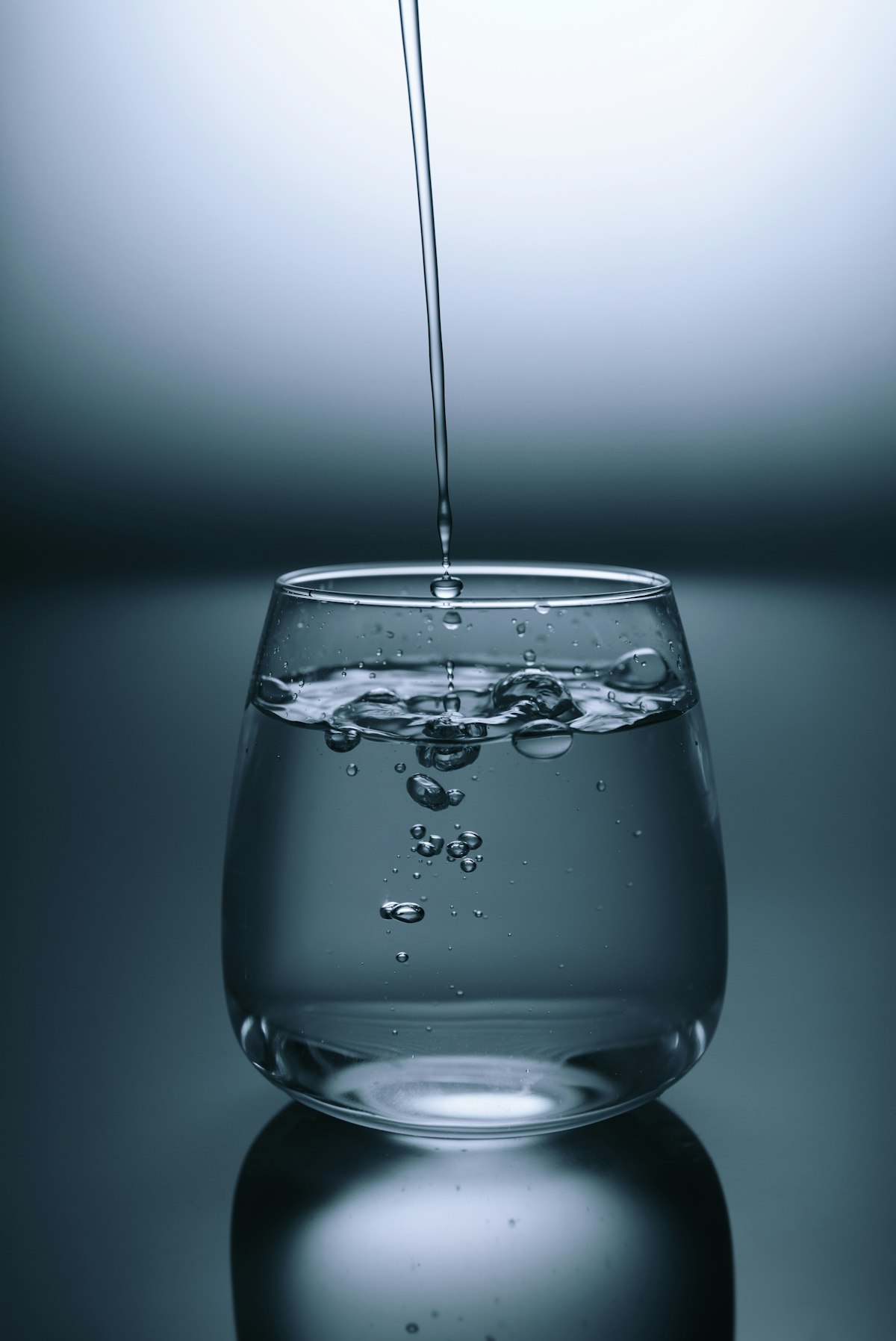
Where the 8-glass myth came from
The "8×8" rule — eight 8-ounce glasses of water per day — has no clear primary source. It is most often traced to a 1945 US Food and Nutrition Board recommendation of about 2.5 litres of water per day, which immediately added "most of this is contained in prepared foods." That second clause got lost.
What modern physiology actually says
Your body has a precise, hormonally-tuned hydration sensor: thirst. In healthy adults under non-extreme conditions, drinking when thirsty is sufficient. Urine colour — pale straw — is a reliable visual check.
For planning, total daily water (from drinks AND food) typically lands around 30–40 ml per kg of body weight. Active individuals, hot climates, and large body sizes shift that upward.
When to plan ahead
Endurance training over 60 minutes, hot environments, illness, alcohol the night before, and high-protein diets all increase needs. In these cases, drink to a schedule rather than to thirst, and consider electrolytes (sodium, potassium, magnesium) — not just water.
Related articles
 Hydration
Electrolytes: Why Plain Water Sometimes Is Not Enough
When training is long, sweat is heavy, or the day is hot, sodium and potassium become as important as the water you drink.
 Lab Interpretation
Vitamin D Deficiency: When Low Numbers Actually Matter
A "low" vitamin D result is not always a real deficiency, and not every low result needs treatment. Here is how clinicians actually decide.
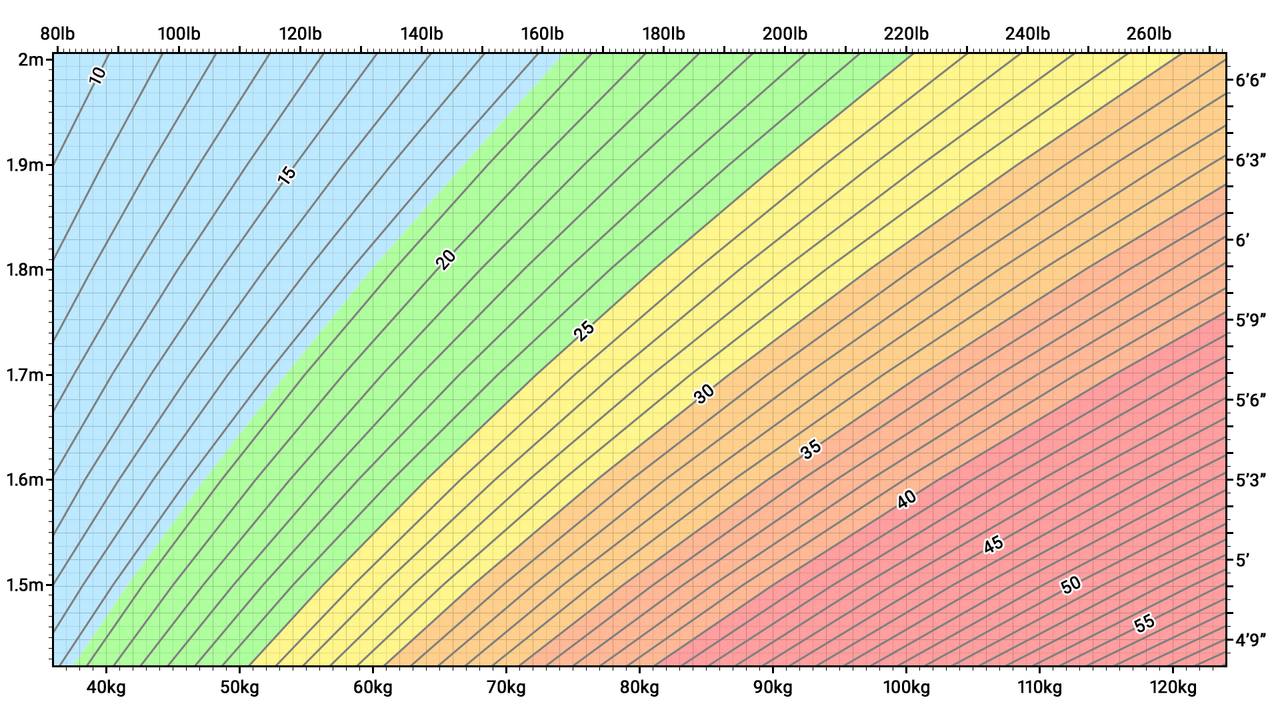 Body Measurements
Understanding BMI in 2026: Beyond the Single Number
BMI is a starting point, not a verdict. Here is how to interpret it with body fat %, waist-to-height and lifestyle context.