Electrolytes: Why Plain Water Sometimes Is Not Enough
When training is long, sweat is heavy, or the day is hot, sodium and potassium become as important as the water you drink.
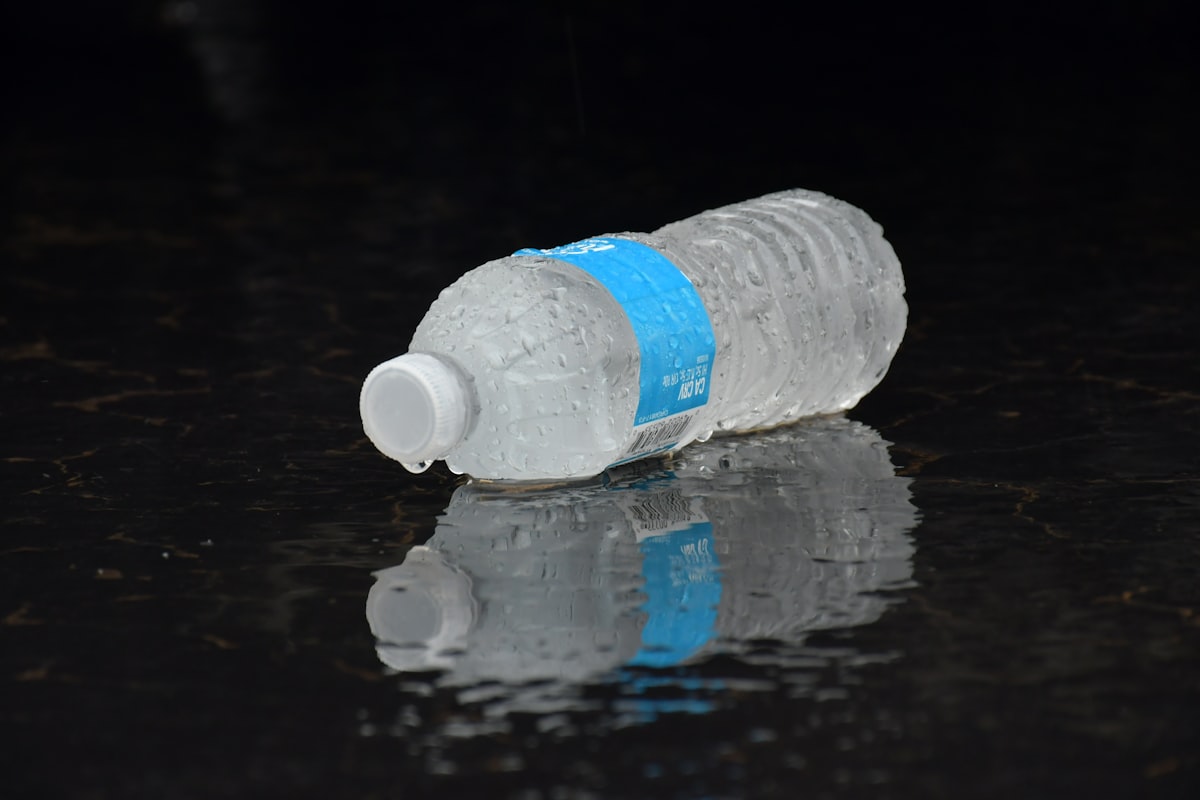
A simple electrolyte strategy
Under 60 minutes of moderate activity: plain water works. 60–90 minutes: add a pinch of salt to your bottle, or include a salty snack at the halfway point. Over 90 minutes, or in heat: aim for 300–700 mg of sodium per litre, with some potassium and magnesium.
Off the field: most adults get enough sodium from food. Potassium and magnesium are where many fall short — leafy greens, beans, nuts and fruit close that gap quickly.
When to involve a clinician
Persistent muscle cramps that hydration does not solve, irregular heartbeat, or extreme thirst with high urine output deserve a blood test, not a sports drink. Electrolytes are personal — don't over-supplement.
Evidence Snapshot
This snapshot shows verified evidence records matched to this article. It is not a diagnosis or personal medical advice.
The serum anion gap is a calculated value derived from measured electrolytes, most commonly as sodium minus the sum of chloride and bicarbonate, and reflects the balance between measured and unmeasured ions in blood.
Limitation. The anion gap is calculated and therefore inherits any measurement error in sodium, chloride and bicarbonate; laboratory reference ranges also vary.
Serum magnesium reflects only a small fraction of total body magnesium, most of which sits inside cells and bone, so a normal serum magnesium value does not by itself exclude tissue-level magnesium depletion.
Limitation. Tests that better reflect intracellular magnesium exist but are not part of routine panels and may not change routine practice.
Serum osmolality is influenced most strongly by serum sodium and its accompanying anions, with smaller contributions from glucose and urea in most adults.
Limitation. Additional osmoles from ingested substances such as alcohols are not captured by the standard calculation and can produce an osmolal gap.
Related articles
 Hydration
The Science of Hydration: How Much Water Do You Really Need?
The "8 glasses a day" rule is a myth. Modern physiology gives us a far more elegant — and personal — answer.
 Lab Interpretation
Vitamin D Deficiency: When Low Numbers Actually Matter
A "low" vitamin D result is not always a real deficiency, and not every low result needs treatment. Here is how clinicians actually decide.
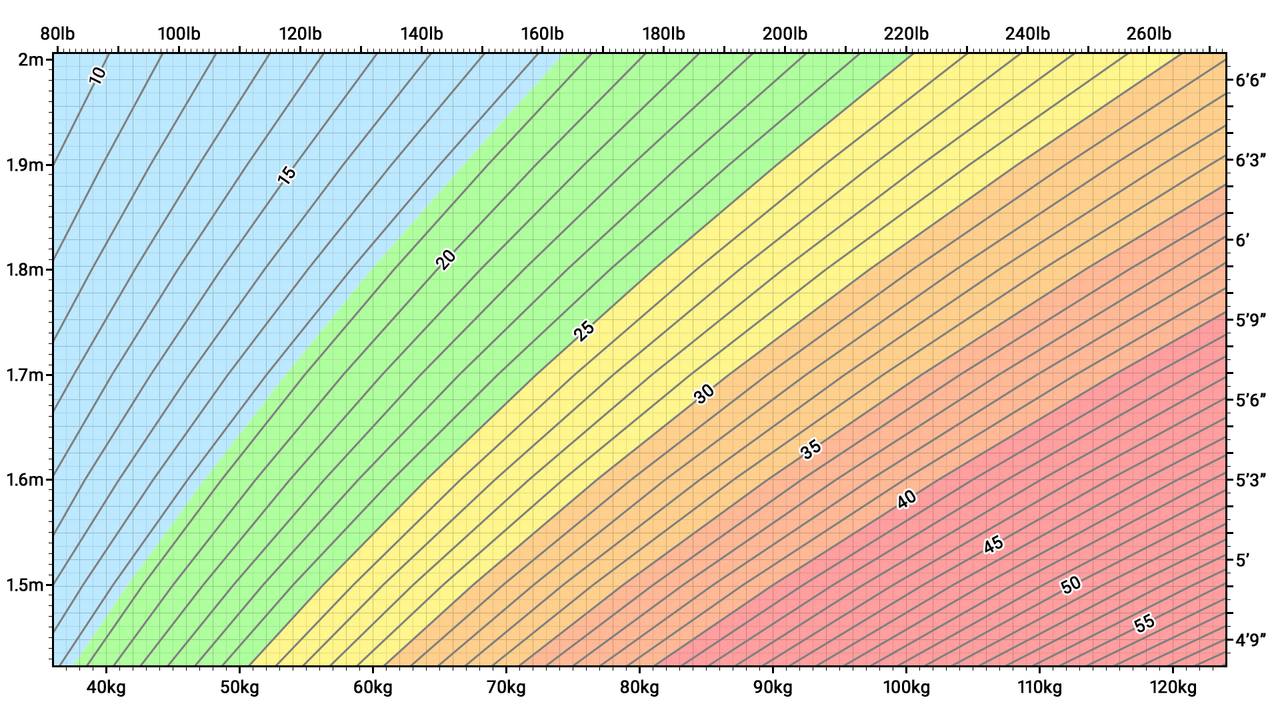 Body Measurements
Understanding BMI in 2026: Beyond the Single Number
BMI is a starting point, not a verdict. Here is how to interpret it with body fat %, waist-to-height and lifestyle context.