Understanding BMI in 2026: Beyond the Single Number
BMI is a starting point, not a verdict. Here is how to interpret it with body fat %, waist-to-height and lifestyle context.
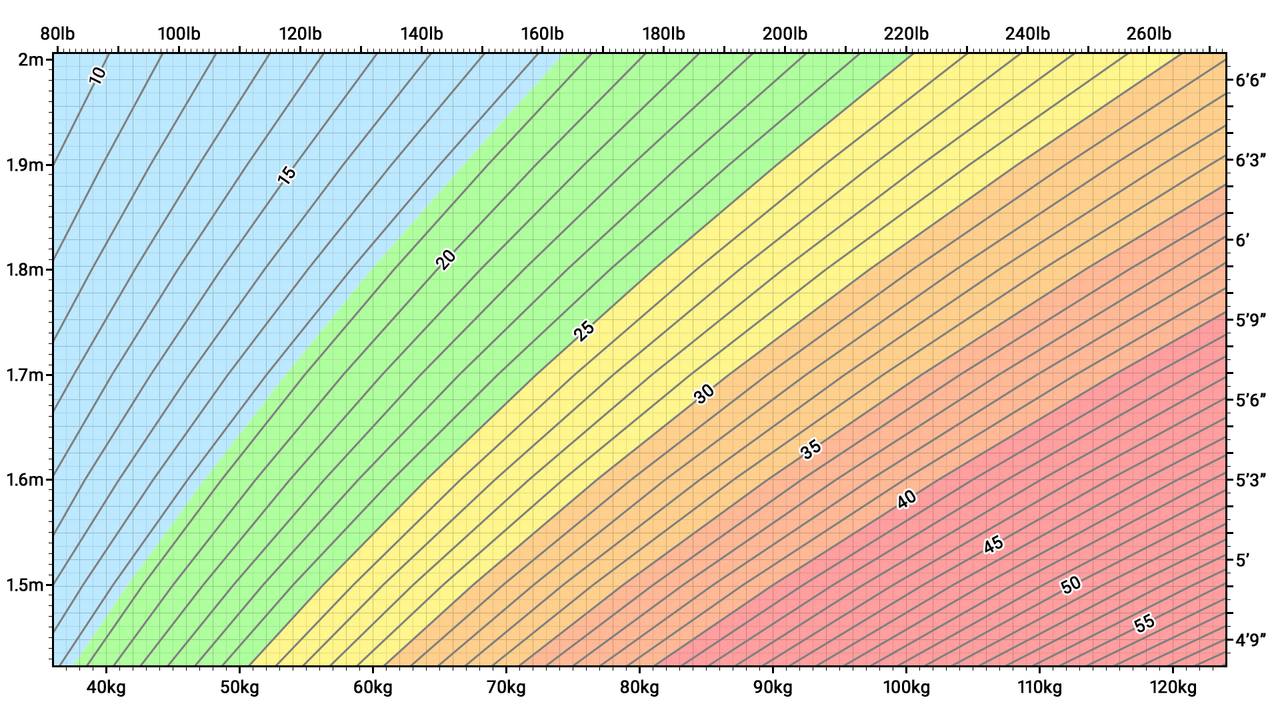
A modern marker of cardiometabolic risk.
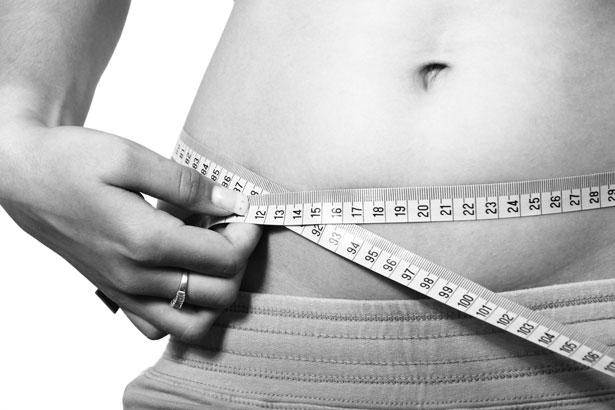
Stand relaxed, exhale, measure without pulling in. Average three measurements for precision.
Within the cardiometabolically healthy range.
BMI doesn’t distinguish where fat sits on the body. Waist-to-Height Ratio (WHtR) zeroes in on central adiposity — the strongest single predictor of cardiometabolic risk in most adults.
A WHtR below 0.5 is the simple, widely-cited target. The Ashwell shape chart formalises this — the same rule applies across ethnicities, sex and age.
Stand relaxed, exhale gently, and measure at the level of the navel — not the narrowest point. Don’t pull in. Average three measurements for stability.
| Category | Range |
|---|---|
| Slim | < 0.40 |
| Healthy | < 0.50 |
| Increased risk | < 0.60 |
| High risk | ≥ 0.60 |
BMI is a starting point, not a verdict. Here is how to interpret it with body fat %, waist-to-height and lifestyle context.
A tape measure and one ratio reveal more about your metabolic risk than the bathroom scale ever could.
Forget your weight. The number that quietly drives your BMR, your protein needs and your training results is the lean mass underneath.
The "8 glasses a day" rule is a myth. Modern physiology gives us a far more elegant — and personal — answer.