Understanding BMI in 2026: Beyond the Single Number
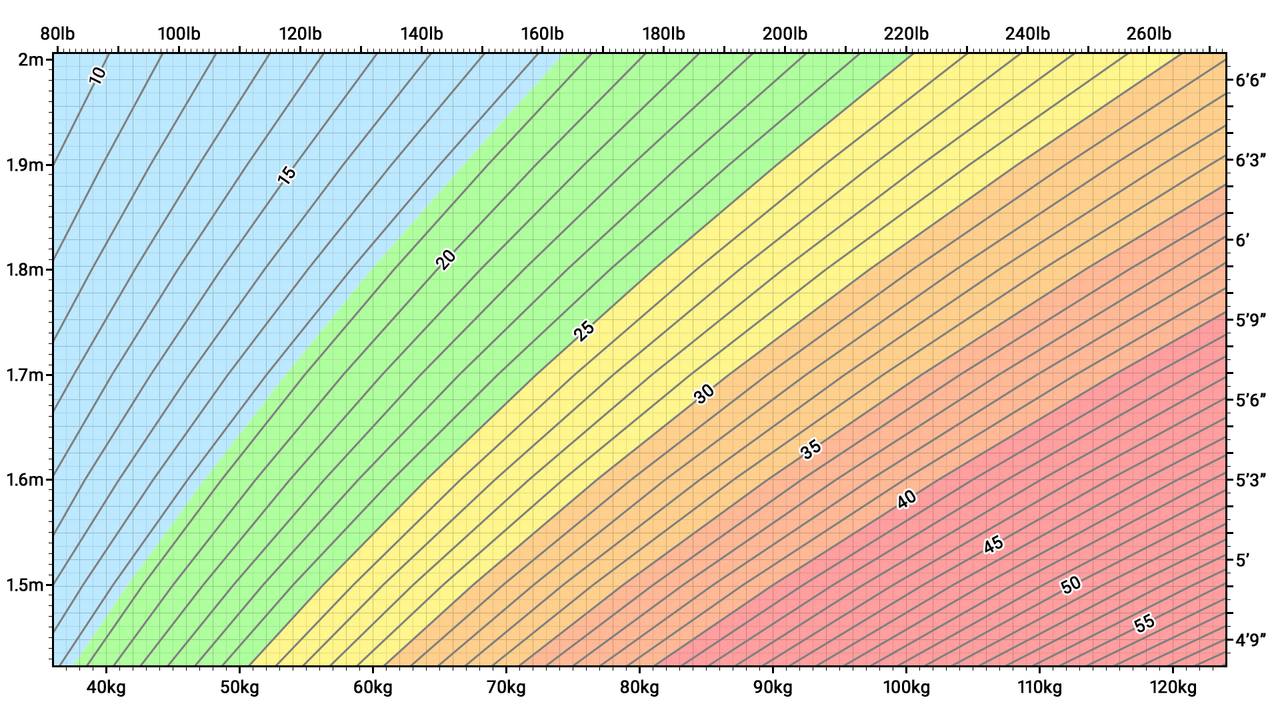
BMI is a starting point, not a verdict. Here is how to interpret it with body fat %, waist-to-height and lifestyle context.
A healthy weight range tailored to your frame.
Ideal weight is a guideline, not a target. Body composition matters more than the scale.
≈ 145.4 lb
“Ideal weight” is a clinical estimate of a healthy body weight at a given height — used originally for medication dosing and reference. Four mid-20th-century formulas are still widely used, and the spread between them gives you a useful range rather than a single number.
Devine (1974), Robinson (1983), Miller (1983), and Hamwi (1964) all use the same idea — a base weight at 60 inches (152 cm) plus a per-inch increment above that. They produce slightly different numbers, and the average across them is a sensible target.
Modern guidance often prefers the WHO BMI range (18.5–24.9) — a window rather than a single number, accounting for body composition diversity. We show both so you can choose the framing that suits you.
BMI is a starting point, not a verdict. Here is how to interpret it with body fat %, waist-to-height and lifestyle context.
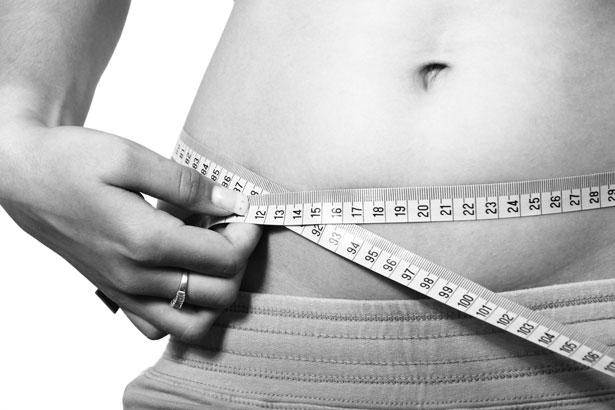
A tape measure and one ratio reveal more about your metabolic risk than the bathroom scale ever could.
Forget your weight. The number that quietly drives your BMR, your protein needs and your training results is the lean mass underneath.
The "8 glasses a day" rule is a myth. Modern physiology gives us a far more elegant — and personal — answer.