 Nutrition
Feb 5, 2026 8 min read
Protein and Longevity: Building a Body That Lasts
New research links lifelong protein adequacy to muscle preservation, immune function and graceful aging.
By Elements84 Medical Editorial Team
Read Maintenance, cut or bulk — find your number.
This is an informational estimate, not a prescription. Individual energy needs vary widely, and any structured deficit or surplus is best planned with a qualified healthcare professional.
NutritionNew research links lifelong protein adequacy to muscle preservation, immune function and graceful aging.
 Nutrition
The optimal macro split is not the one in the magazine. It is the one you can stick to for a year.
 Nutrition
Fibre does not get marketed. It is barely on food labels. Yet 30 g/day is one of the single best-evidenced nutrition targets of the last 30 years.
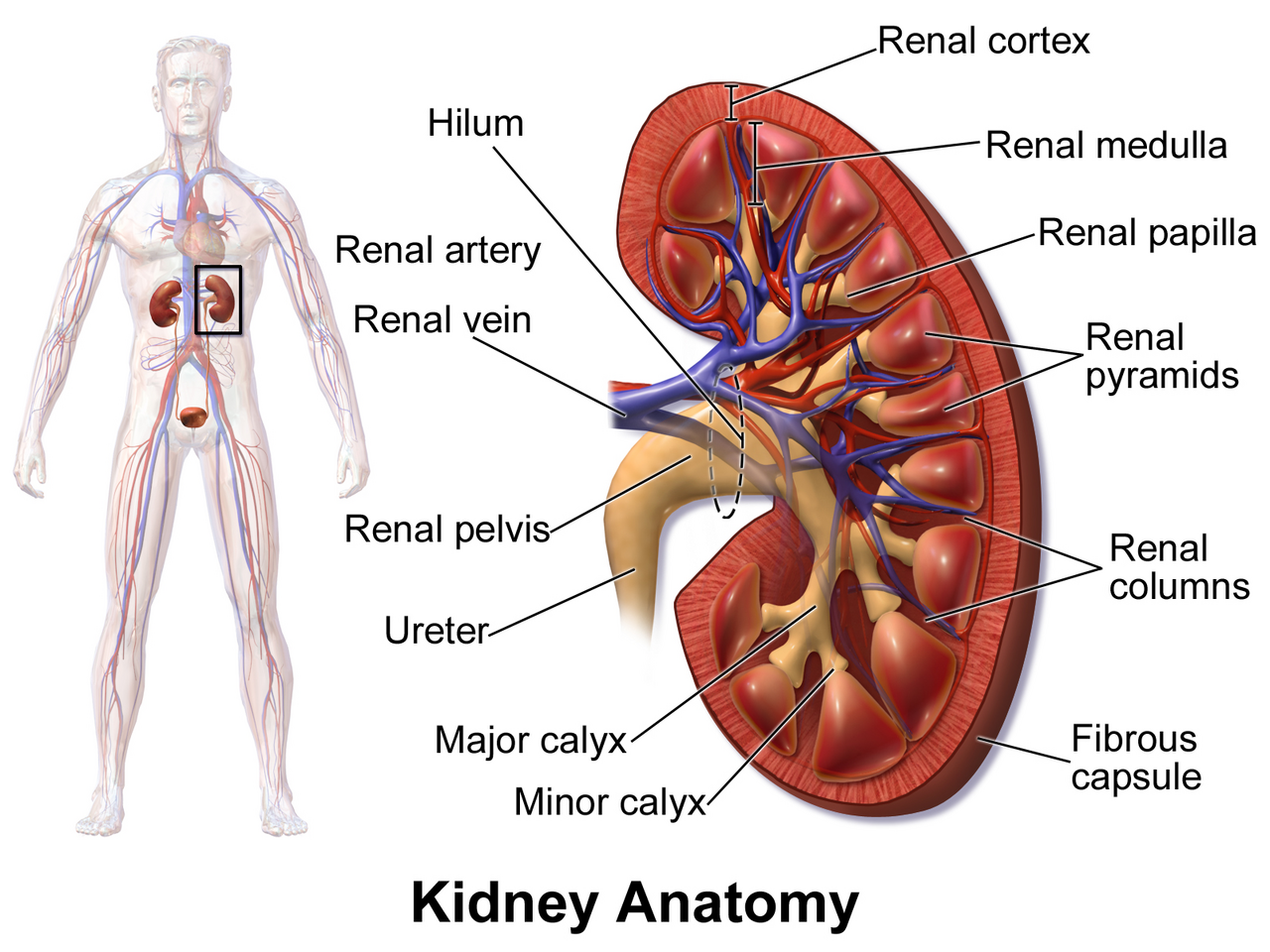 Kidney Function & Electrolytes
Understand what creatinine and estimated GFR (eGFR) measure, why eGFR is a calculated estimate rather than a direct measurement, and why one result cannot diagnose chronic kidney disease on its own.
Total Daily Energy Expenditure (TDEE) is an estimate of how many calories your body uses on an average day — combining basal metabolism (Mifflin–St Jeor) with a self-reported activity multiplier. This tool produces an estimate, not a prescription. Actual daily energy expenditure varies with sleep, non-exercise movement, temperature, hormones, health status and adaptation over time.
Use the number as a starting point, not a guaranteed weight-change plan. Choose an activity level that reflects a typical week (many people over-estimate) and follow observed body-weight and how-you-feel trends over 2–4 weeks before adjusting. Any structured energy deficit, surplus or performance plan is better designed with a qualified healthcare professional or registered dietitian, especially if you have any medical condition or a history of disordered eating.
This is an informational estimate, not a prescription. It cannot guarantee weight change and does not replace individualised advice from a qualified healthcare professional or registered dietitian.