Fibre: The Forgotten Macro With Outsized Returns
Fibre does not get marketed. It is barely on food labels. Yet 30 g/day is one of the single best-evidenced nutrition targets of the last 30 years.
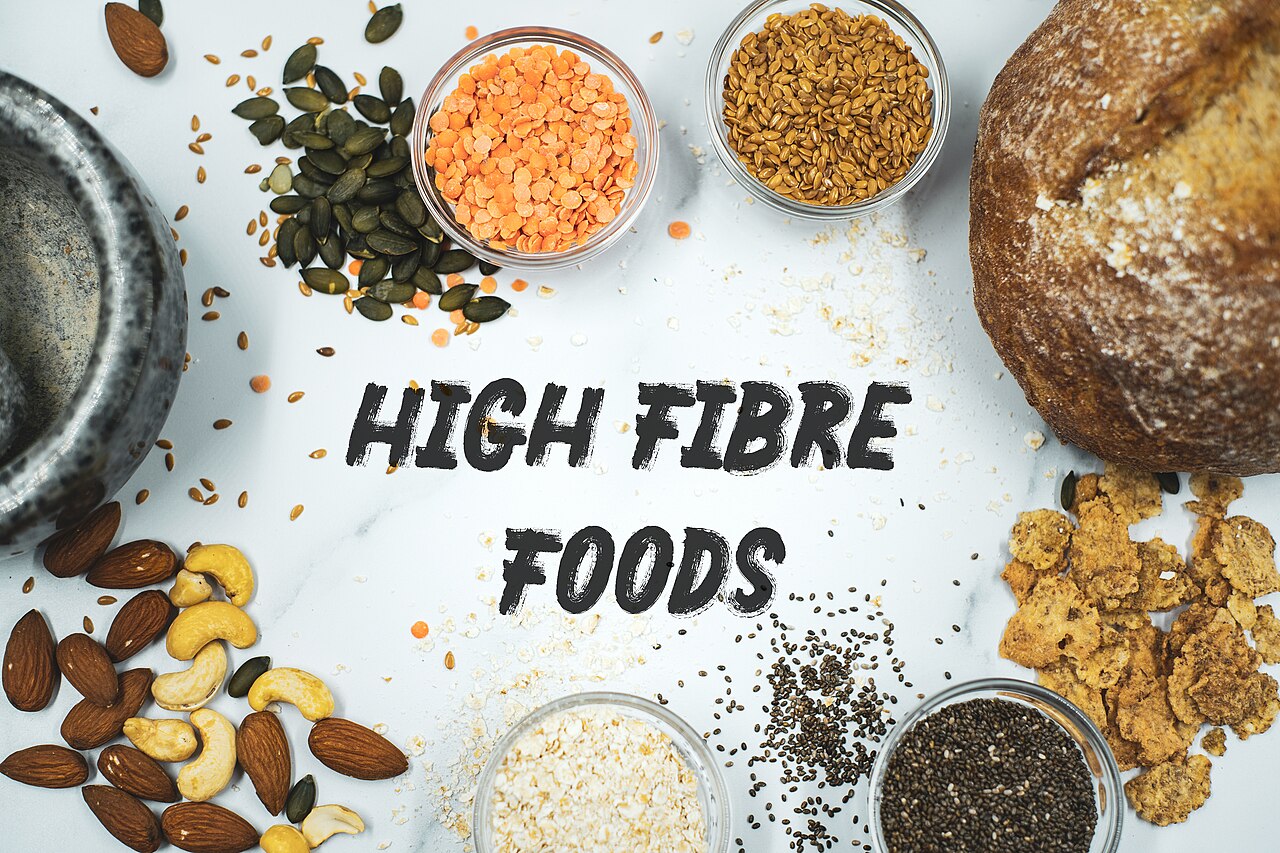
The 30g target
Most adults eat 12–18 grams of fibre per day. The evidence-backed target sits around 25–35 g/day, with the upper end correlating with the lowest rates of cardiovascular disease, type-2 diabetes, colorectal cancer and all-cause mortality across cohort studies.
Where it comes from
Beans and legumes are the densest, cheapest source — half a cup of lentils delivers 8 g. Whole grains (oats, barley, intact wheat), berries, apples with skin, broccoli, and nuts close most of the remaining gap. The "30 plants a week" heuristic correlates surprisingly well with the 30 g/day target.
Ramp up gently
Going from 15 to 35 g overnight will not feel good. Add 5 g per week, drink more water alongside it, and your gut will adapt within a month. The microbiome rewards patience.
Frequently asked questions
- Target 25–35 g of fibre per day; most adults sit at 12–18 g.
- Legumes, whole grains, berries and vegetables cover the gap easily.
- Ramp up by 5 g per week to avoid bloating.
- Whole-food fibre beats supplements for long-term outcomes.
Related articles
 Nutrition
Protein and Longevity: Building a Body That Lasts
New research links lifelong protein adequacy to muscle preservation, immune function and graceful aging.
 Nutrition
Carbs, Protein, Fat: Finding the Macro Ratio That Fits Your Life
The optimal macro split is not the one in the magazine. It is the one you can stick to for a year.
 Lab Interpretation
Vitamin D Deficiency: When Low Numbers Actually Matter
A "low" vitamin D result is not always a real deficiency, and not every low result needs treatment. Here is how clinicians actually decide.