Carbs, Protein, Fat: Finding the Macro Ratio That Fits Your Life
The optimal macro split is not the one in the magazine. It is the one you can stick to for a year.
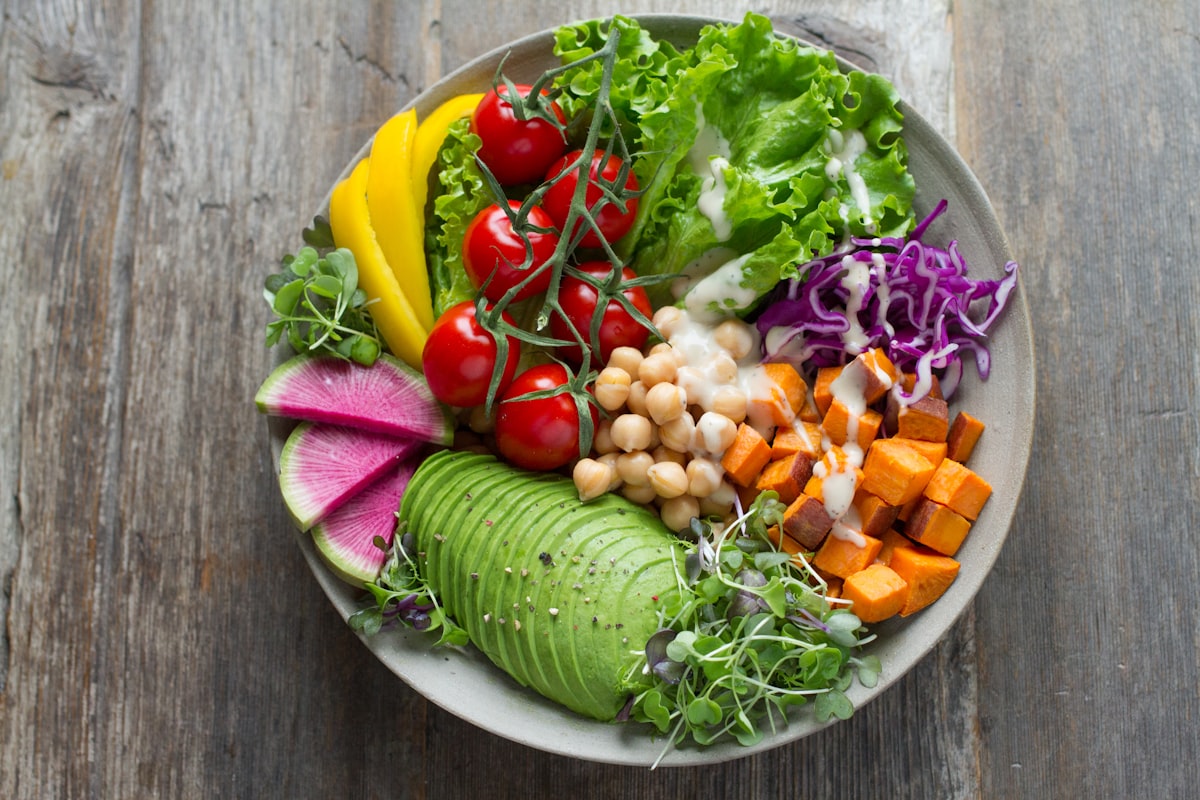
There is no one right ratio
Decades of dietary trials show roughly the same thing: when calories and protein are equated, low-carb and low-fat diets produce nearly identical outcomes for fat loss and metabolic health over a year. Adherence — not the ratio — is the variable that matters.
Sensible defaults to start from
Protein: 1.4–1.8 g/kg/day. Fat: 0.8–1.2 g/kg/day to support hormones, with at least 20% of calories from fat as a floor. Carbohydrates: everything that is left, scaled to training volume.
Athletes and endurance runners benefit from more carbohydrate (40–60% of calories). Sedentary office workers do well in the 25–40% range. Both are valid; both work; the test is whether you actually want to eat this way for a year.
Quality > obsession with grams
Whole foods first. Minimise ultra-processed products. Hit your protein floor reliably. Then choose a carb/fat split that fits your cravings, your culture, your training, and your kitchen.
Frequently asked questions
- Anchor protein first at 1.4–1.8 g/kg/day.
- Flex the carb/fat split to your training and cravings.
- Adherence for a year beats the "perfect" ratio for six weeks.
- Whole foods first; the exact macro percentages are a distant second.
Related articles
 Nutrition
Protein and Longevity: Building a Body That Lasts
New research links lifelong protein adequacy to muscle preservation, immune function and graceful aging.
 Nutrition
Fibre: The Forgotten Macro With Outsized Returns
Fibre does not get marketed. It is barely on food labels. Yet 30 g/day is one of the single best-evidenced nutrition targets of the last 30 years.
 Lab Interpretation
Vitamin D Deficiency: When Low Numbers Actually Matter
A "low" vitamin D result is not always a real deficiency, and not every low result needs treatment. Here is how clinicians actually decide.