Who Should Not Take Shilajit? Safety Questions That Matter Before You Start
Pregnant or breastfeeding people, children, people taking prescription medicines, those with diagnosed medical conditions, anyone planning surgery, and people with fertility, hormonal, bone-health or persistent-fatigue concerns should not start Shilajit without professional advice. Safety findings from small studies apply only to the tested preparations, doses and durations. Product identity, processing and batch-specific testing also matter.

Shilajit should not be treated as universally suitable. Pregnancy, breastfeeding, childhood, prescription medication use, diagnosed medical conditions, planned surgery, persistent fatigue, fertility concerns, hormone-related concerns and bone-density concerns all justify professional advice before use. Human trials provide some short-term safety information, but most were small and used specific purified or standardised preparations. They do not establish safety for every resin, capsule, gummy, liquid or untested product.
What Human Safety Data Can Tell Us
Several human studies monitored laboratory values and adverse events over periods ranging from four weeks to about one year. No major safety signal dominated those small trials.
That is reassuring for the tested products. It is not proof of universal safety. Small studies may miss rare effects, long-term effects, interactions and risks in under-studied groups.
A product with the same ingredient name can still differ in processing, concentration, contaminants and added ingredients.
Pregnancy and Breastfeeding
There is not enough human evidence to support routine use during pregnancy or breastfeeding.
Avoid self-directed use unless a qualified healthcare professional specifically advises otherwise. Traditional use is not a substitute for pregnancy safety data.
Children
Shilajit has not been adequately studied in children. Paediatric dose, safety and benefit are not established.
Marketing a product as natural does not make it suitable for children.
Prescription Medicines
Human interaction data are limited. People taking prescription medicines should discuss Shilajit with a qualified healthcare professional before use.
The absence of a documented interaction does not prove that no interaction can occur. Supplements may also affect the interpretation of symptoms or laboratory tests.
Diagnosed Medical Conditions
Anyone managing a diagnosed condition should seek professional advice before adding Shilajit.
This is particularly important when the supplement is being considered for symptoms that may require diagnosis, such as persistent fatigue, fertility problems, hormone-related symptoms or bone-density loss.
Shilajit is not a treatment for any medical condition.
Planned Surgery
Tell the surgical or clinical team about all supplements.
Follow their guidance on whether and when to stop Shilajit before a procedure. Do not assume that a natural supplement has no relevance to perioperative care.
Persistent Fatigue
Persistent fatigue can have many causes, including sleep problems, anaemia, thyroid disease, infection, medication effects, mental health, nutrition and other conditions.
The Shilajit fatigue evidence concerns specific exercise outcomes. It does not establish treatment of persistent or unexplained fatigue.
Fertility and Hormonal Concerns
A controlled trial examined testosterone markers in healthy men aged 45 to 55. A separate open-label study examined semen parameters in men with oligospermia.
These studies do not establish treatment of low testosterone or infertility. People with fertility concerns, diagnosed hormone disorders or unexplained symptoms need proper evaluation.
Bone-Health Concerns
One controlled study examined postmenopausal women with osteopenia. This does not make Shilajit a treatment for osteopenia or osteoporosis.
Bone-density loss requires professional assessment and evidence-based management.
Product Quality Is Part of Safety
Shilajit is naturally sourced, and elemental composition can vary by source and sample.
Analytical studies have detected potentially harmful metals in some materials, while other samples reported low or non-detectable levels. The result applies only to the tested sample or batch.
Finished-product testing should assess lead, arsenic, cadmium, mercury and other relevant elements. Microbiological testing is also a practical finished-product quality-control measure.
Possible Adverse Effects
Published trials do not provide a complete adverse-effect profile for every commercial product.
Stop use and seek appropriate advice if a new or concerning symptom appears. Do not assume that a reaction proves contamination, or that absence of a reaction proves safety.
Before use, confirm:
- The ingredient and dose are clear.
- The batch number matches the laboratory report.
- Heavy-metal and microbiological results are available.
- The product does not make disease-treatment claims.
- Your medicines and health conditions have been considered.
- Pregnancy, breastfeeding, surgery and clinically important symptoms have been addressed.
Healthy adults may still choose to consider a purified, standardised and batch-tested product. Professional advice should come first when pregnancy, breastfeeding, medication use, diagnosed illness, planned surgery, persistent fatigue, fertility, hormones or bone health are involved. The safest decision depends on both the user and the specific batch.
Frequently asked questions
Editorial disclosure: The platform has commercial relationships with companies involved in Shilajit products. Affiliated and unaffiliated products are evaluated using the same published evidence and quality criteria. This article does not independently verify every product or batch.
Related articles
 Supplements
How Much Shilajit Should You Take? Study Doses, Product Labels and Practical Limits
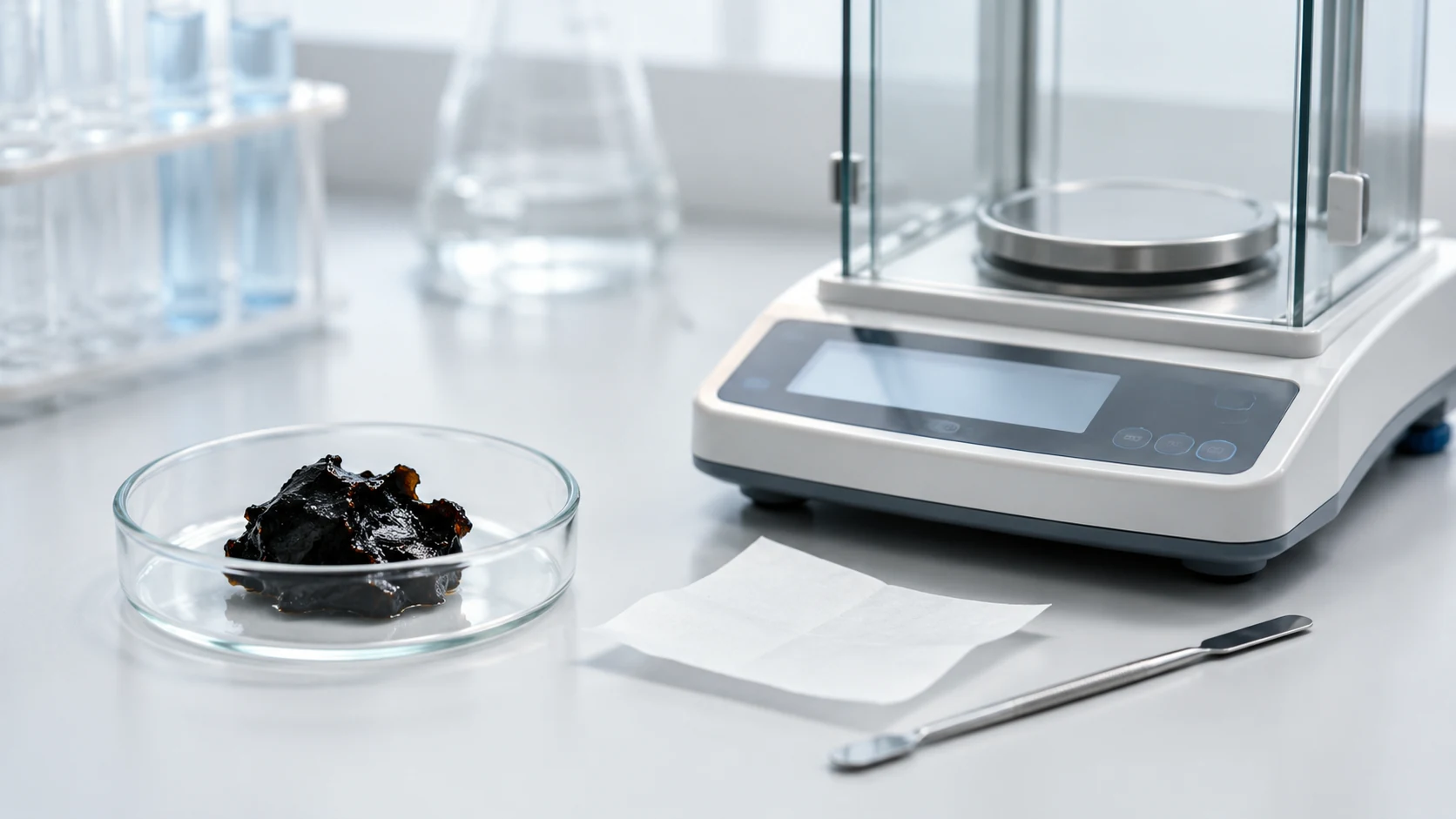
There is no single evidence-based Shilajit dose for everyone. Human studies most often used 200 mg to 500 mg daily, while one collagen-biomarker trial tested 500 mg and 1,000 mg daily. These doses came from specific purified, processed or standardised preparations. They should not be copied blindly to every resin, capsule, gummy, powder or liquid. A practical dose decision starts with the exact formulation, measured serving, batch quality, study goal and personal health context.
 Supplements
What Makes Shilajit Safe to Use? A Practical Guide to Batch Testing and COAs
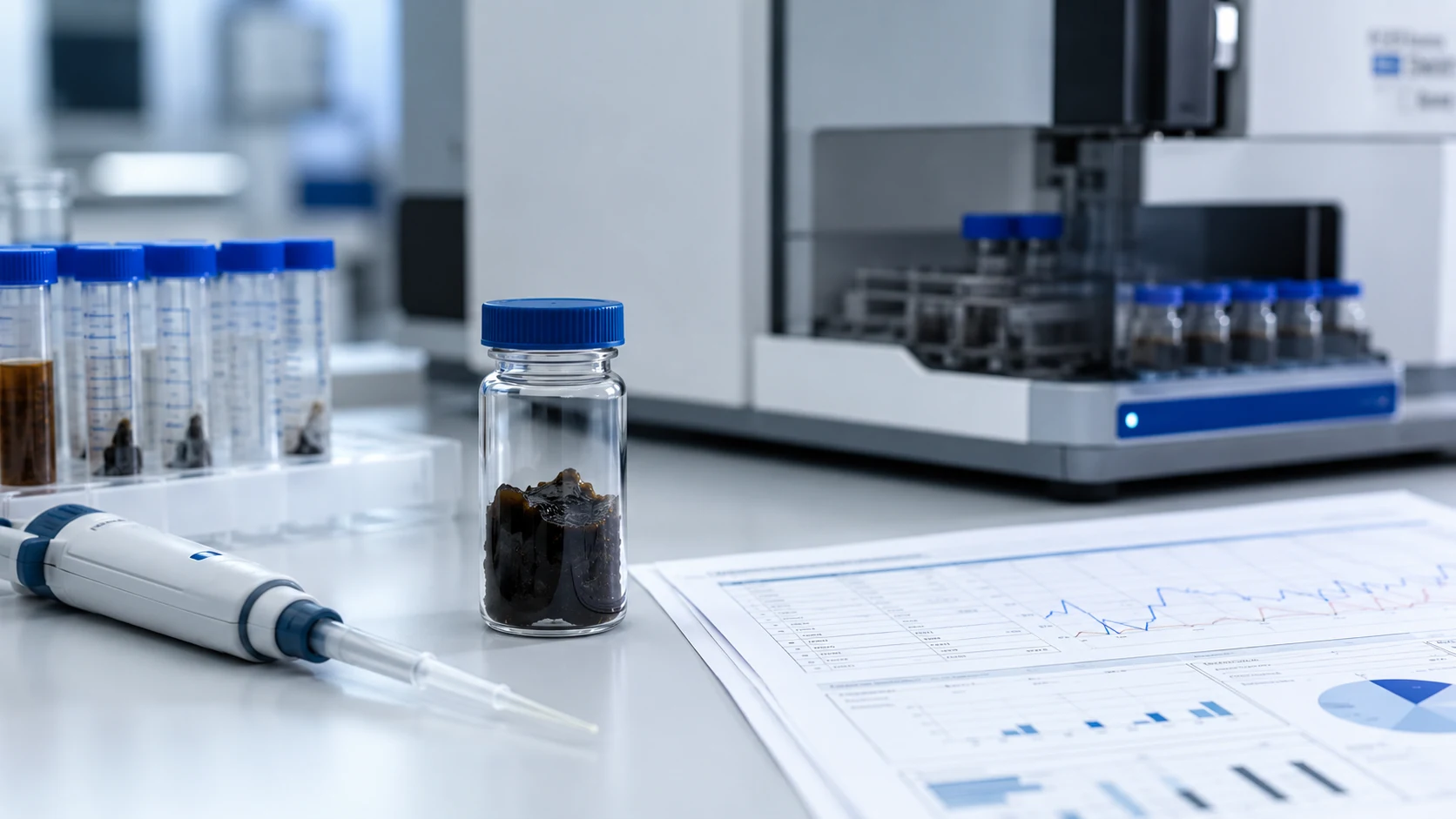
A useful Shilajit quality file links a real batch to a named laboratory, test date, methods, units and measured results. A generic certificate, old report or marketing badge does not verify the jar in your hand. Heavy metals, microbiology, formulation identity and claimed composition should be interpreted together. One result applies only to the tested sample or batch.
 Supplements
Heavy Metals in Shilajit: How to Read the Test Without Misreading the Risk
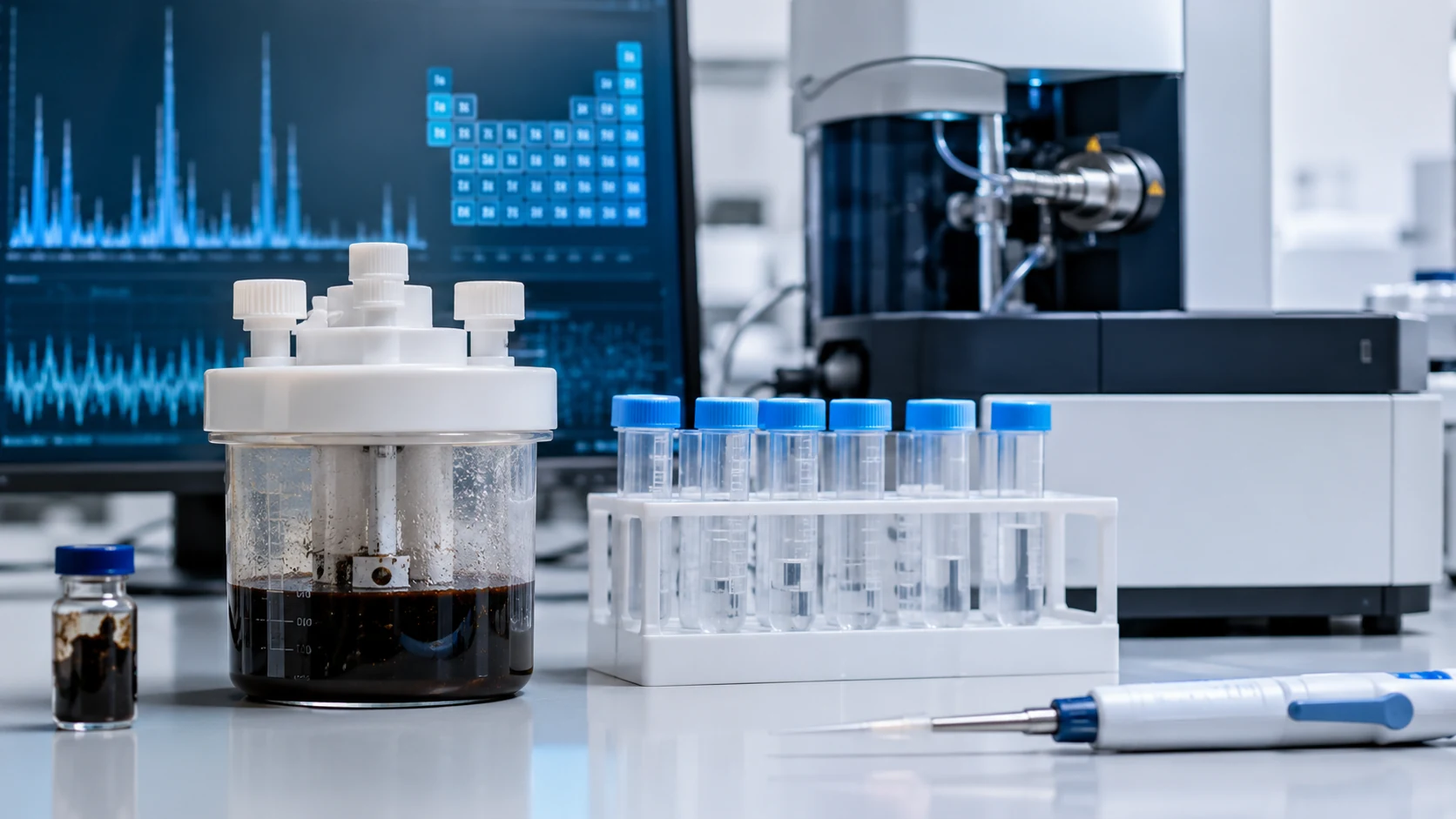
Heavy-metal risk cannot be judged from Shilajit’s appearance, origin story or one old certificate. Elemental composition varies by source and sample. Read the batch number, method, units, reporting limits, serving size and specification. Results apply only to the tested sample. Total arsenic and inorganic arsenic are also different questions.