AFP (Alpha-Fetoprotein) Blood Test: Liver Cancer, Testicular Cancer and Pregnancy
AFP is one of the oldest tumour markers and still one of the most useful. Learn when it is used for hepatocellular carcinoma surveillance, testicular cancer, and prenatal screening.
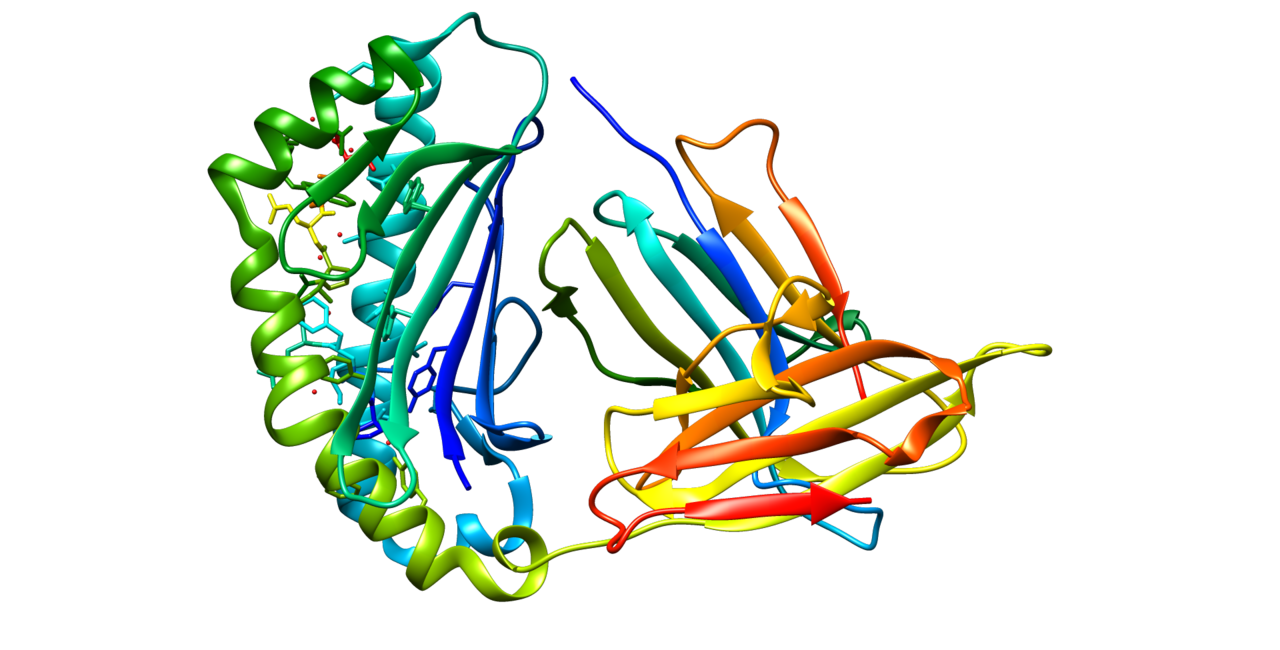
Normal adult AFP is below 10 ng/mL. Above 200 ng/mL in a cirrhotic patient with a liver mass strongly suggests hepatocellular carcinoma (HCC). AFP is used for HCC surveillance (with ultrasound every 6 months), testicular non-seminomatous germ cell tumour staging, and prenatal screening. Chronic hepatitis, cirrhosis and pregnancy modestly raise AFP without cancer.
AFP is produced by the fetal liver and yolk sac; adults maintain low baseline levels. Elevated AFP in adults reflects HCC (~60% sensitivity — poor screen alone), non-seminomatous germ cell testicular tumours, some gastric and pancreatic cancers, benign liver disease (chronic hepatitis, cirrhosis, pregnancy). AASLD recommends ultrasound ± AFP every 6 months for HCC surveillance in cirrhosis; AFP alone misses many early tumours. In testicular cancer, AFP with β-hCG and LDH is used for staging and monitoring — a rising AFP after orchidectomy signals persistent or recurrent non-seminomatous disease.
- Normal adult
- < 10 ng/mL
- HCC diagnostic threshold
- > 200 ng/mL + liver mass in cirrhosis
- HCC surveillance
- Ultrasound ± AFP every 6 months
- Testicular tumour use
- Staging + follow-up (with β-hCG, LDH)
- Benign elevators
- Chronic hepatitis, cirrhosis, pregnancy
How AFP is used clinically
HCC surveillance: adults with cirrhosis (any cause) get 6-monthly ultrasound of the liver. AFP is added by many centres but its sensitivity is only ~60% at diagnostic thresholds — a normal AFP does NOT rule out HCC. Rising AFP + new liver mass on imaging is highly suggestive; AFP > 200 ng/mL with mass and cirrhosis approaches specificity of tissue biopsy.
Testicular cancer: measured alongside β-hCG and LDH at presentation and during follow-up. AFP is raised only in non-seminomatous germ cell tumours (yolk sac, embryonal, teratoma) — never in pure seminoma.
Prenatal screening: elevated maternal AFP at 15–20 weeks suggests neural tube defect or abdominal wall defect; low AFP suggests Down syndrome. Now largely superseded by cell-free DNA and quad screens.
AFP interpretation by clinical setting
| Setting | AFP level | Meaning |
|---|---|---|
| Cirrhosis surveillance | < 20 ng/mL | Reassuring; continue 6-monthly imaging |
| Cirrhosis + new liver mass | > 200 ng/mL | HCC highly likely |
| Cirrhosis, no mass | 20–200 ng/mL | Repeat + intensified imaging |
| Testicular tumour | Any elevation | Non-seminomatous component present |
| Pregnancy T2 quad screen | MoM > 2.5 | Neural tube defect risk — anatomy scan |
- AFP > 200 ng/mL with liver mass in cirrhosis — likely HCC.
- Rising AFP during testicular cancer follow-up — recurrence.
- AFP elevated + jaundice or ascites — advanced liver disease workup.
- Very high AFP (> 1000 ng/mL) in a non-pregnant adult — cancer workup.
AFP walk-through
- 1Cirrhosis, AFP > 200 with new mass?HCC probable — hepatology referral, multi-phasic CT/MRI liver, MDT discussion.
- 2Cirrhosis, AFP rising but no mass?Intensify imaging (MRI liver), repeat AFP in 3 months.
- 3Testicular mass?AFP + β-hCG + LDH + testicular ultrasound + orchidectomy.
- 4AFP raised without cirrhosis or testicular mass?Investigate chronic hepatitis, occult germ cell tumour, and gastric / pancreatic malignancy.
Related questions people ask
- What is AFP used for?
- Can AFP be raised without cancer?
- How does AFP compare to CEA?
- What is HCC surveillance?
- Does hepatitis raise AFP?
- What is prenatal AFP screening?
- What is a normal AFP in pregnancy?
Frequently asked questions
- AFP normal < 10 ng/mL in non-pregnant adults.
- Main uses: HCC surveillance, testicular non-seminomatous germ cell tumour, prenatal screening.
- Not a general cancer screening test.
- Cirrhosis, hepatitis and pregnancy raise AFP without cancer.
- AFP > 200 + liver mass + cirrhosis = probable HCC.
- Rising AFP after testicular orchidectomy = recurrence.
References
3 sources- AASLDHCC Surveillance Guideline
US hepatology surveillance framework.
aasld.org
- EASLClinical Practice Guidelines on HCC
European HCC management.
easl.eu
- ESMOTesticular Seminoma and Non-Seminoma Guidelines
European testicular cancer guideline.
esmo.org
Related articles
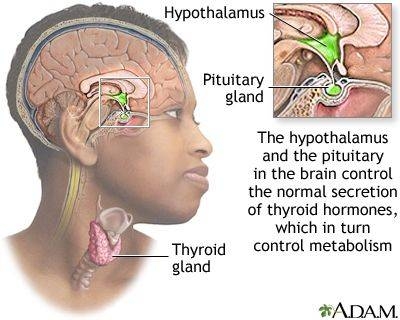 Laboratory Tests
TSH Test: Normal Range, High, Low & What Your Result Actually Means
TSH is the single most important thyroid number. Understand normal ranges by age and pregnancy, what a high or low value really tells you, and the two follow-up tests that clinch the diagnosis.
 Laboratory Tests
HbA1c Test: Normal Range, Prediabetic, Diabetic Cut-offs & How to Lower It
HbA1c reflects your average blood sugar over ~3 months. Understand every threshold — normal, prediabetes, diabetes — and the realistic actions that move the number.
 Laboratory Tests
LDL Cholesterol: Optimal Numbers, High Numbers, and How to Read Yours
LDL is the "bad" cholesterol only if you leave the story there. Understand optimal targets by risk group, the ApoB perspective, and the interventions that actually shift the number.