Bicarbonate or CO2 Blood Test: Acid-Base Balance Explained
Learn what a bicarbonate (CO2) blood test reflects about acid-base balance, why it can be abnormal for respiratory, kidney or metabolic reasons, and what it cannot diagnose alone.
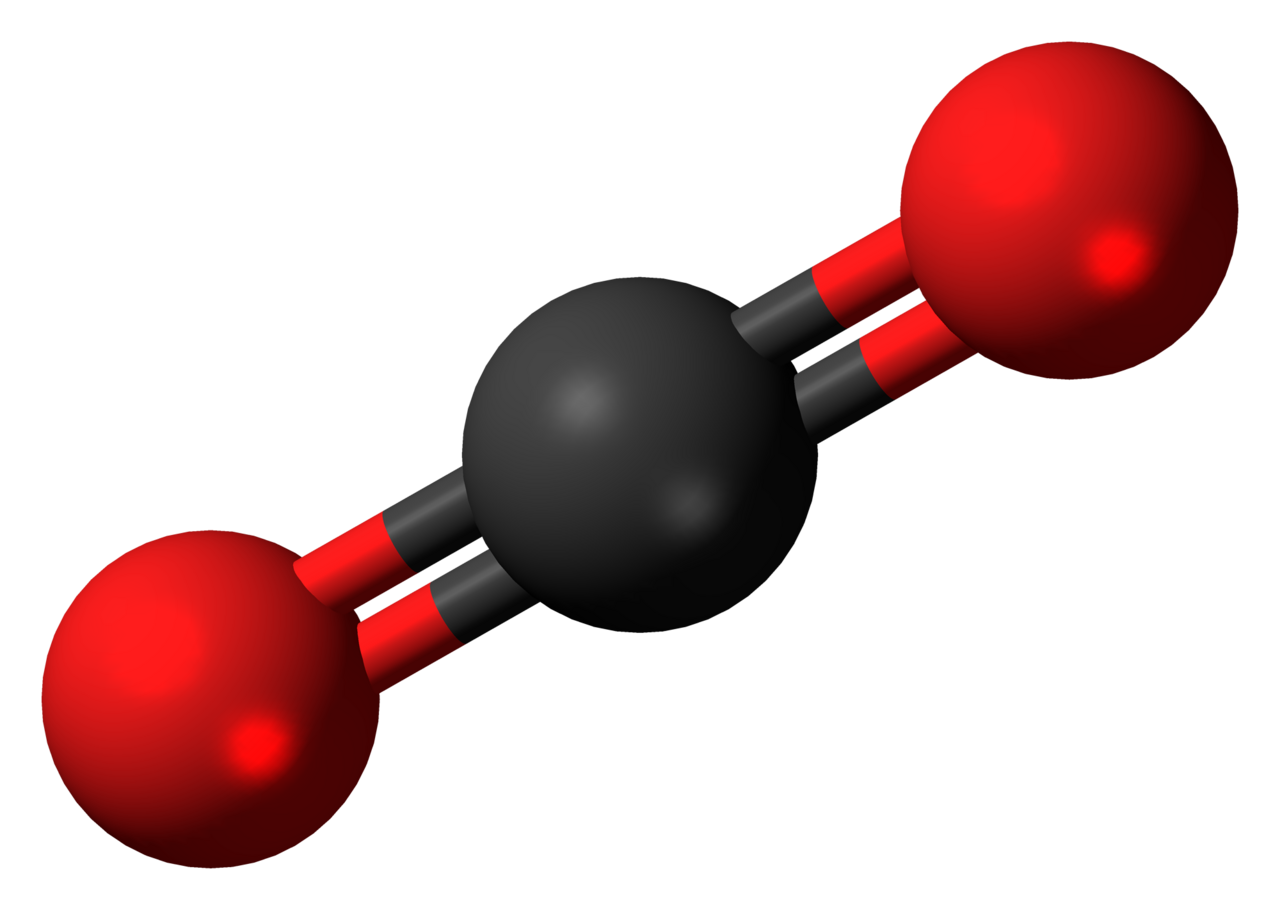
Image: Jynto (talk) / Wikimedia Commons / CC0
A bicarbonate blood test, often reported on a metabolic panel as 'CO2,' measures a key chemical buffer your body relies on to keep blood pH within a narrow, stable range. A typical normal range is roughly 22 to 29 mEq/L. Low bicarbonate can suggest metabolic acidosis, which has many possible causes, including reduced kidney function, uncontrolled diabetes, severe diarrhea, or certain toxins. High bicarbonate can suggest metabolic alkalosis, often related to vomiting, certain diuretics, or other causes of acid loss. This test alone cannot distinguish a primary metabolic problem from the body's compensatory response to a lung-related condition, and it does not identify a specific underlying cause without additional tests and clinical context.
Your blood pH needs to stay within an extremely narrow range to keep cells functioning properly, and bicarbonate is one of the body's primary tools for managing that balance, working alongside your lungs (which control carbon dioxide) and your kidneys (which control acid excretion and bicarbonate regeneration). A single bicarbonate number is a useful clue about which direction things are leaning, but figuring out why usually takes more than this one test.
- Normal range is roughly 22–29 mEq/L.
- Low bicarbonate suggests metabolic acidosis; high bicarbonate suggests metabolic alkalosis — both have many possible causes.
- This test cannot distinguish a primary metabolic issue from a compensatory response to a lung condition without additional information.
- The anion gap, calculated from sodium, chloride and bicarbonate together, adds diagnostic detail that bicarbonate alone does not provide.
What the test measures
Bicarbonate is a molecule that acts as a chemical buffer, absorbing excess acid or releasing itself to counteract excess base, helping keep blood pH stable despite ongoing metabolic processes that constantly generate acid. The kidneys play a major role in regenerating bicarbonate and excreting acid, while the lungs regulate carbon dioxide, which exists in a related chemical balance with bicarbonate in the blood. Because of this shared system, bicarbonate levels can be affected by both kidney and lung function, as well as by the underlying metabolic processes producing or consuming acid.
How the main pattern is interpreted
Low bicarbonate is generally interpreted as suggesting metabolic acidosis, and clinicians often calculate the anion gap (sodium minus the sum of chloride and bicarbonate) to help narrow down the likely cause. A high anion gap acidosis points toward causes like uncontrolled diabetes (ketoacidosis), certain toxins, or lactic acidosis from severe illness, while a normal anion gap acidosis points toward causes like severe diarrhea or certain kidney tubule disorders.
High bicarbonate is generally interpreted as suggesting metabolic alkalosis, commonly associated with prolonged vomiting (loss of stomach acid), certain diuretics, or, less commonly, excess intake of substances like bicarbonate-containing antacids.
Reference ranges versus diagnostic thresholds
The standard reference range of roughly 22–29 mEq/L reflects typical values in healthy adults, but this test alone cannot fully characterize an acid-base disorder. A full picture requires knowing not just bicarbonate but also blood pH and, in some cases, carbon dioxide partial pressure from an arterial blood gas, since bicarbonate can be abnormal either because of a primary metabolic problem or as a compensatory response to a separate respiratory issue. This distinction matters clinically and isn't visible from bicarbonate alone.
What can distort the result
Prolonged vomiting, certain diuretics, and some laxative overuse can raise bicarbonate. Severe diarrhea, uncontrolled diabetes, kidney dysfunction, certain toxin exposures, and severe illness causing lactic acid buildup can lower it. Chronic lung conditions that cause the body to retain carbon dioxide can trigger a compensatory rise in bicarbonate over time, which is a normal adaptive response rather than a primary metabolic problem — another reason this test needs context to interpret correctly.
What the result does not prove
A bicarbonate result does not, by itself, distinguish a primary metabolic acid-base disorder from a compensatory response to a lung condition, and it does not identify the specific underlying cause among the many possibilities — additional tests, including anion gap, blood pH, and clinical history, are needed for that.
Common misunderstandings
A common misunderstanding is treating an abnormal bicarbonate as a stand-alone diagnosis rather than a signal that further evaluation is needed. Another is assuming bicarbonate abnormalities always originate from a metabolic problem; a chronic lung condition can produce a compensatory bicarbonate change that reflects the body successfully adapting to a respiratory issue rather than an independent metabolic disorder.
Practical next-step guidance
If bicarbonate comes back mildly abnormal without symptoms, reviewing recent gastrointestinal illness, diuretic use, and any known lung or kidney conditions with a clinician is a reasonable starting point. A more significantly abnormal result, particularly with symptoms, usually prompts additional testing (anion gap, blood gas, glucose) to clarify the underlying cause rather than being addressed based on bicarbonate alone.
- A markedly low bicarbonate accompanied by rapid or labored breathing, confusion, or vomiting may reflect significant metabolic acidosis and generally warrants prompt evaluation. In someone with diabetes, low bicarbonate combined with high blood sugar and symptoms such as nausea or abdominal pain may reflect diabetic ketoacidosis, which requires urgent medical attention.
Limitations and uncertainty
Bicarbonate alone provides an incomplete picture of acid-base status; distinguishing metabolic from respiratory causes, and pinpointing the specific underlying condition, both require additional testing and clinical context beyond this single value.
Frequently asked questions
Related articles
 Kidney Function & Electrolytes
Creatinine and eGFR: What These Kidney Function Results Mean Together
Understand what creatinine and estimated GFR (eGFR) measure, why eGFR is a calculated estimate rather than a direct measurement, and why one result cannot diagnose chronic kidney disease on its own.
 Kidney Function & Electrolytes
BUN Blood Test Explained: What High and Low Results Can Mean
Learn what blood urea nitrogen (BUN) measures, why it can rise for reasons unrelated to kidney filtration, and why the BUN-to-creatinine ratio adds context a single BUN value can't.
 Kidney Function & Electrolytes
Urine Albumin-to-Creatinine Ratio: An Early Kidney-Damage Test Explained
Learn why urine albumin-to-creatinine ratio (uACR) can detect kidney damage before eGFR falls, how the A1/A2/A3 categories work, and what can cause a falsely elevated result.