Urine Albumin-to-Creatinine Ratio: An Early Kidney-Damage Test Explained
Learn why urine albumin-to-creatinine ratio (uACR) can detect kidney damage before eGFR falls, how the A1/A2/A3 categories work, and what can cause a falsely elevated result.
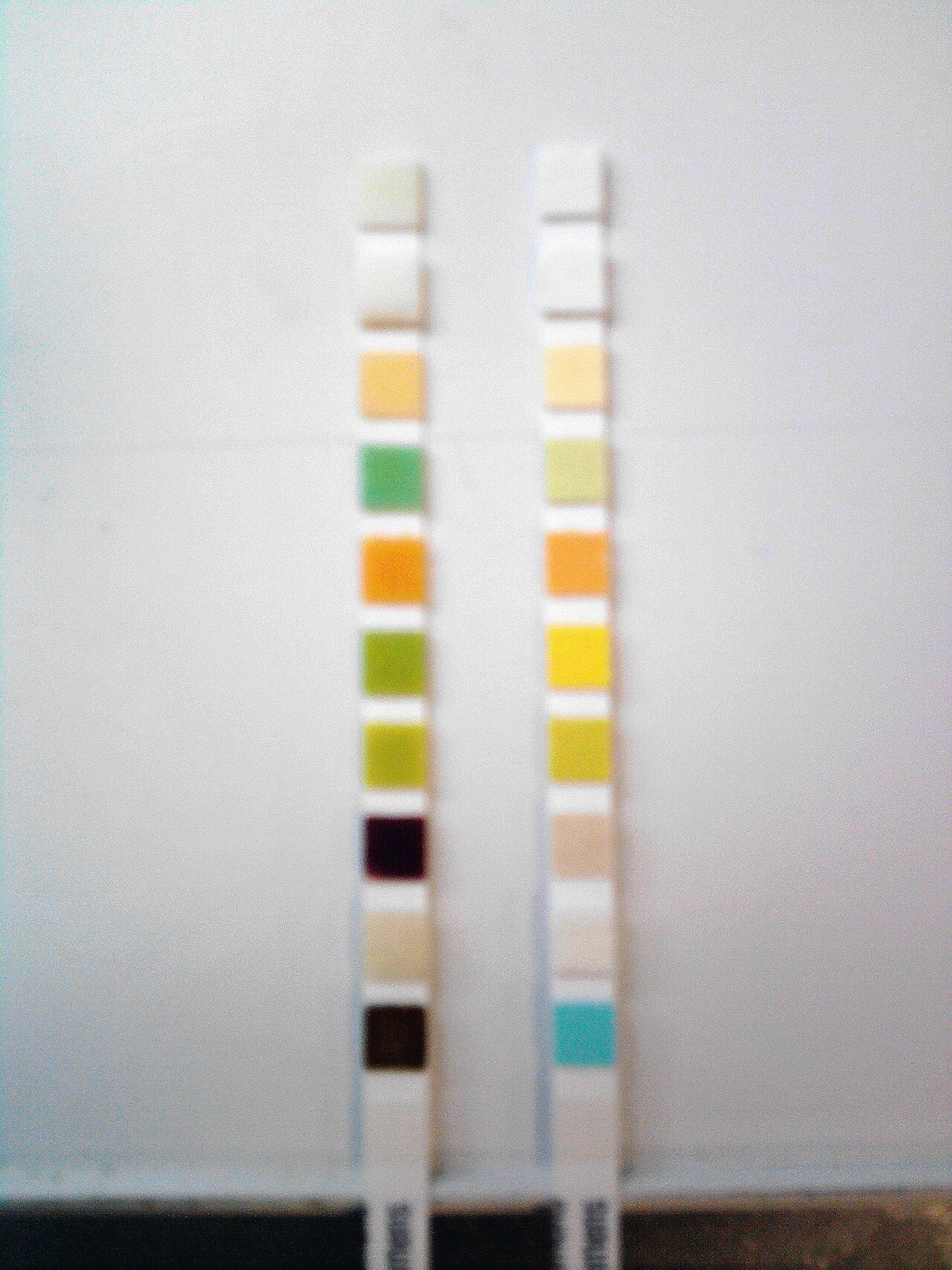
Image: J3D3 / Wikimedia Commons / CC BY-SA 3.0
The urine albumin-to-creatinine ratio (uACR) measures how much albumin, a blood protein, is leaking into urine relative to urine creatinine concentration. It can reveal kidney damage before eGFR falls, because the kidney's filtering barrier can start letting protein through even while overall filtration rate remains in a technically normal range. Results are grouped into three categories: A1 (under 30 mg/g, normal to mildly increased), A2 (30–300 mg/g, moderately increased), and A3 (above 300 mg/g, severely increased). A single elevated reading doesn't confirm kidney damage on its own — fever, recent vigorous exercise, a urinary tract infection, and menstruation can all cause a temporary rise, which is why guidelines generally call for a persistently abnormal result before it's used to help diagnose chronic kidney disease.
Think of the kidney's filtering units as a very fine sieve. eGFR tells you how much fluid is passing through the sieve per minute. uACR tells you whether the sieve's mesh has started to loosen, letting through protein molecules that shouldn't normally cross. A kidney can have a loosening mesh (rising uACR) well before it slows down its overall throughput (falling eGFR), which is exactly why uACR is valued as an earlier-warning marker.
- uACR categories: A1 under 30 mg/g, A2 30–300 mg/g, A3 above 300 mg/g.
- uACR can detect kidney damage before eGFR declines, because it reflects the filtering barrier rather than filtration rate.
- Fever, infection, vigorous exercise, and menstruation can all temporarily raise uACR without true kidney damage.
- A persistently elevated uACR, confirmed over time, is one of the two core criteria (alongside eGFR) used to define chronic kidney disease.
What the test measures
Albumin is a protein normally kept in the bloodstream by the kidney's filtering membrane, which is small enough to block large proteins like albumin from passing into urine under healthy conditions. When this filtering barrier is damaged — by diabetes, high blood pressure, or various kidney diseases — albumin begins to leak through in small but detectable amounts. Because urine concentration varies depending on hydration, albumin is measured relative to creatinine (which is excreted at a fairly steady rate) to correct for this, producing the ratio reported as uACR.
How the main pattern is interpreted
uACR is interpreted both on its own and combined with eGFR using the KDIGO heat map, which layers albuminuria category (A1–A3) against GFR category (G1–G5) to produce an overall risk color: green (low risk), yellow (moderately increased), orange (high), or red/deep red (very high). A person with a normal eGFR but A2 or A3 albuminuria still falls into a meaningfully higher risk category than someone in A1, illustrating why uACR isn't just a supporting detail — it changes the overall risk classification substantially.
A doubling of uACR between two tests is considered by current guidance to exceed the range of normal biological variability and is one of several patterns — alongside a greater than 20% eGFR change — that warrants further evaluation.
Reference ranges versus diagnostic thresholds
The A1/A2/A3 categories function as both reference categories and risk-stratification thresholds simultaneously, which is somewhat different from a typical lab reference range. A1 (under 30 mg/g) is considered normal to mildly increased and, without another marker of kidney disease, does not indicate CKD. A uACR at or above 30 mg/g, if it persists for three months or longer, is one of the core criteria that defines chronic kidney disease under current guidelines — the other being a persistently reduced eGFR below 60 mL/min/1.73m². Very high uACR, in the nephrotic-syndrome range (above roughly 2,220 mg/g), reflects a distinctly more severe pattern than typical A3 values.
What can distort the result
Fever, urinary tract infection, recent vigorous exercise, and menstruation can all cause a temporary rise in uACR unrelated to true kidney damage, which is one reason clinicians often ask patients to avoid testing during these situations or to repeat an abnormal result once they've resolved. Poorly controlled blood sugar and uncontrolled high blood pressure at the time of testing can also transiently raise uACR. Because of this sensitivity to short-term factors, a single elevated uACR is generally confirmed with at least one repeat measurement before being treated as a persistent finding.
What the result does not prove
A single elevated uACR does not, by itself, establish chronic kidney disease or identify its underlying cause. It also doesn't reveal the current filtration rate — that information comes from eGFR, a related but distinct measure covered in the Elements84 creatinine and eGFR guide.
Common misunderstandings
A common misunderstanding is confusing uACR categories with eGFR categories, since both use a lettered/numbered system — A1–A3 describes albuminuria, while G1–G5 describes filtration rate, and they measure genuinely different things. Another misunderstanding is treating older terms like 'microalbuminuria' and 'macroalbuminuria' as fundamentally different from the current A2/A3 system; they describe roughly the same thresholds, though current guidance has moved toward the A1/A2/A3 terminology specifically because 'micro' understated how prognostically significant even modest albumin elevation can be.
Practical next-step guidance
If your uACR comes back elevated for the first time, checking whether you had a fever, infection, recent intense exercise, or were menstruating around the time of testing is a reasonable first step, followed by a repeat test under more typical conditions. If an elevated result persists on repeat testing, reviewing it alongside your eGFR — ideally with the KDIGO risk-category framework in mind — with a clinician is the appropriate next step rather than interpreting either number alone.
- A uACR in the A3 category, especially combined with a reduced eGFR, reflects a higher-risk pattern that generally warrants closer clinical evaluation. Very high uACR in the nephrotic range is a distinct and generally more urgent pattern that should prompt clinical attention.
Limitations and uncertainty
uACR is sensitive to short-term physiological factors, meaning a single abnormal result requires confirmation before it's treated as reflecting true, persistent kidney damage, and it measures a different aspect of kidney health than eGFR rather than serving as a substitute for it.
Frequently asked questions
Evidence Snapshot
This snapshot shows verified evidence records matched to this article. It is not a diagnosis or personal medical advice.
Blood urea nitrogen (BUN) can rise from dehydration, high dietary protein intake and gastrointestinal bleeding independently of kidney filtration, which is why BUN is generally interpreted alongside creatinine and eGFR rather than alone.
Limitation. A single BUN value cannot distinguish a prerenal cause (reduced blood flow to the kidneys) from an intrinsic kidney problem without additional context.
Related articles
 Kidney Function & Electrolytes
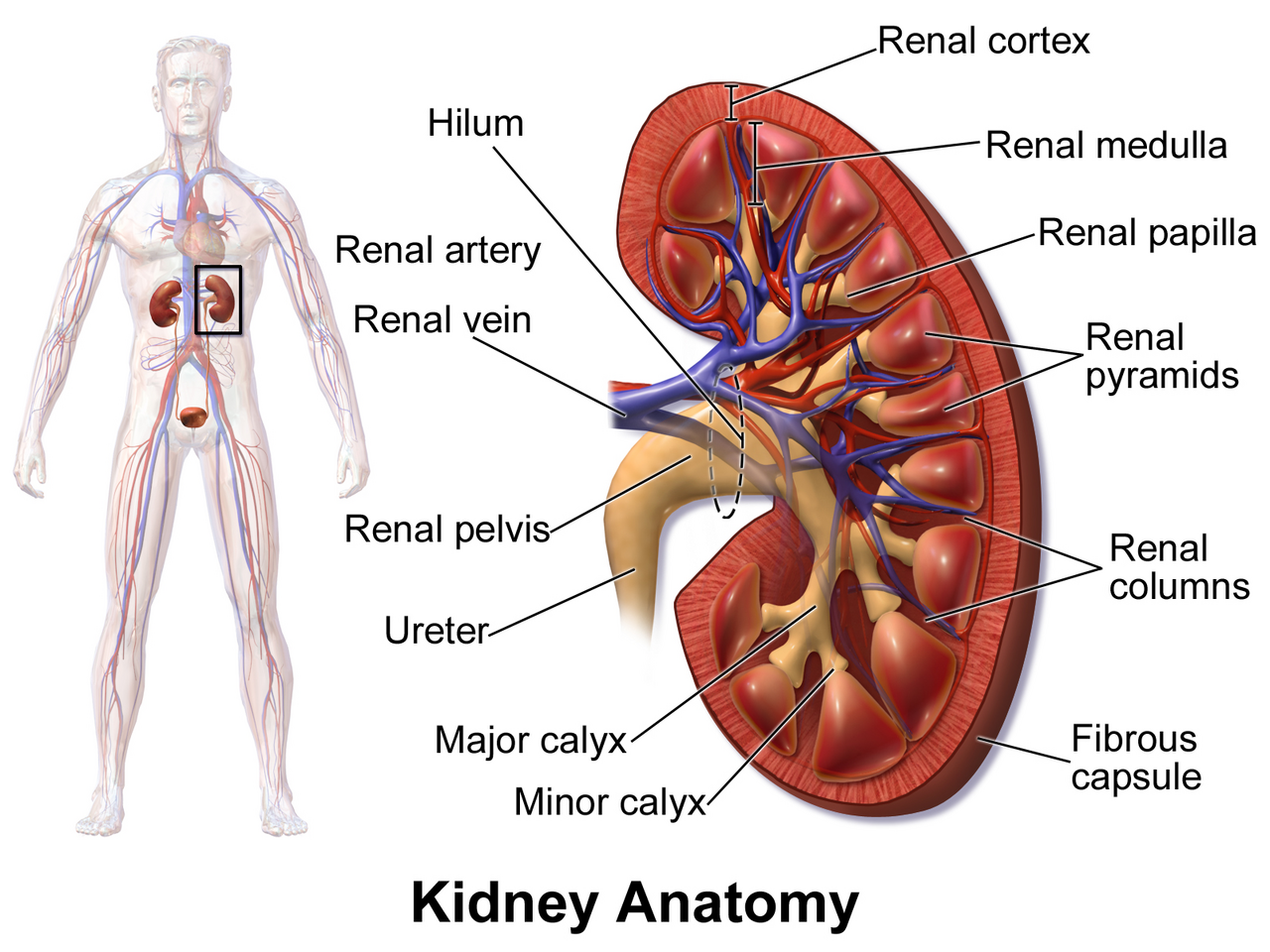
Creatinine and eGFR: What These Kidney Function Results Mean Together
Understand what creatinine and estimated GFR (eGFR) measure, why eGFR is a calculated estimate rather than a direct measurement, and why one result cannot diagnose chronic kidney disease on its own.
 Kidney Function & Electrolytes
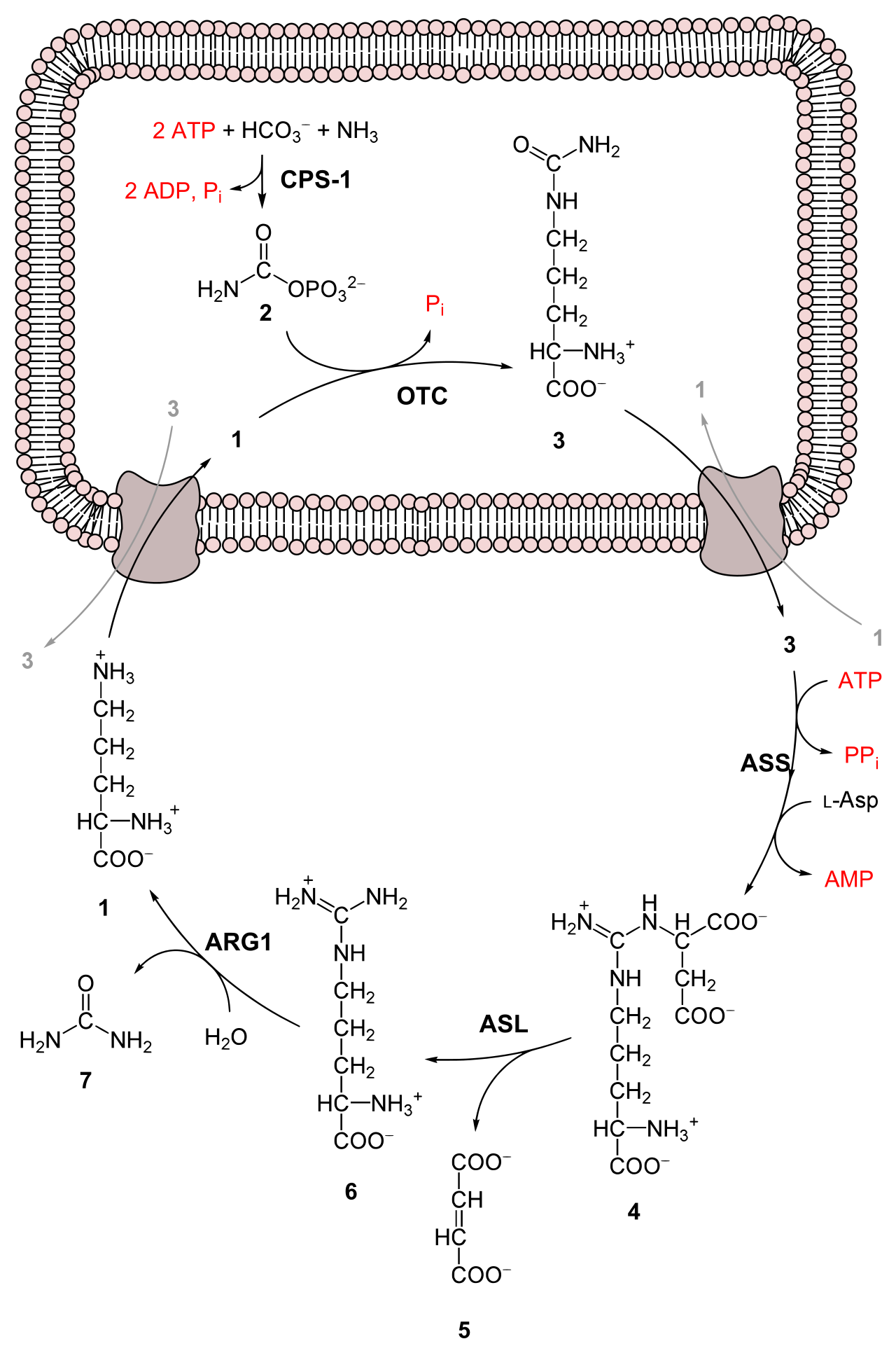
BUN Blood Test Explained: What High and Low Results Can Mean
Learn what blood urea nitrogen (BUN) measures, why it can rise for reasons unrelated to kidney filtration, and why the BUN-to-creatinine ratio adds context a single BUN value can't.
 Kidney Function & Electrolytes
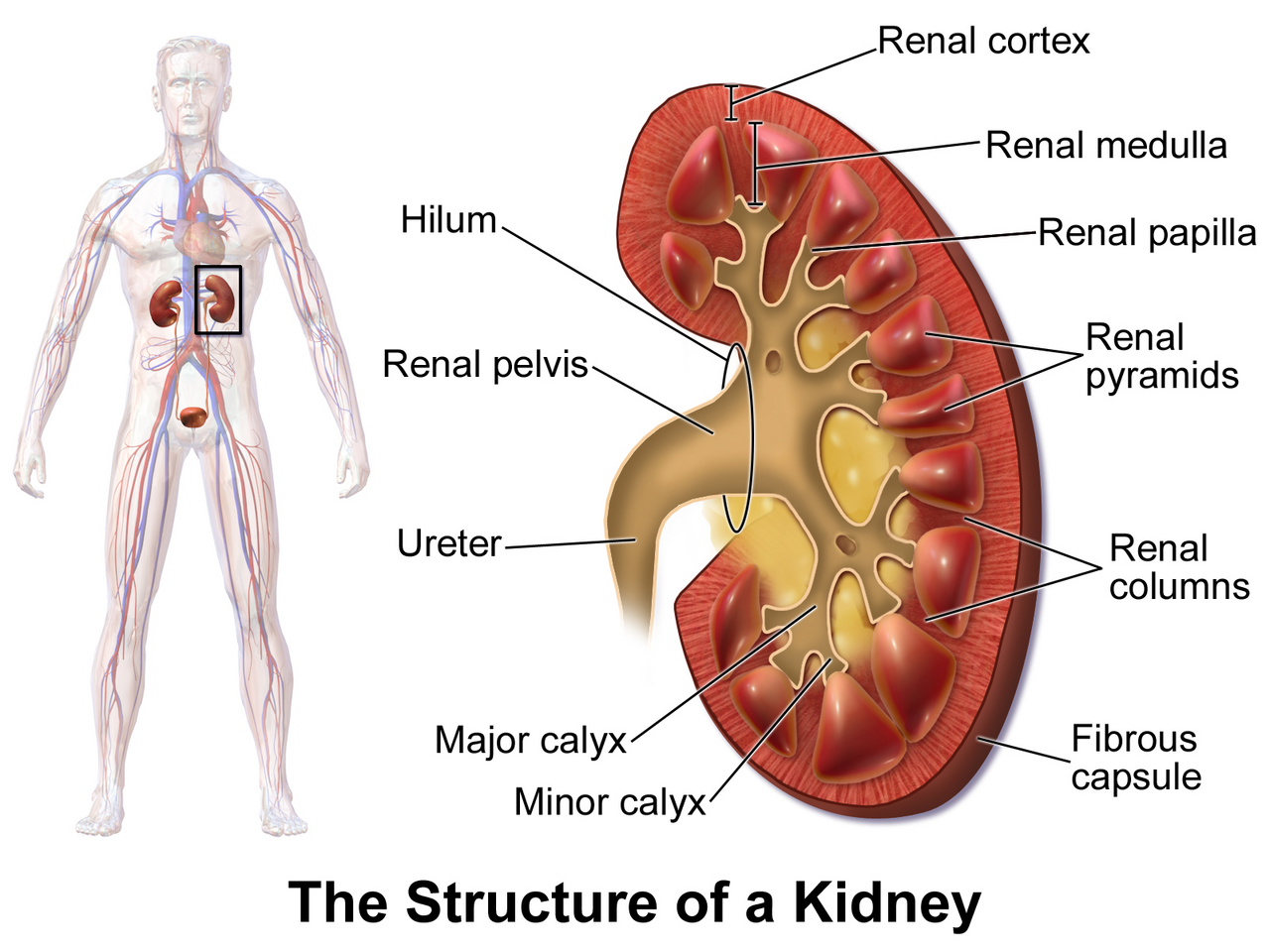
Cystatin C Blood Test: When It Adds Useful Information Beyond Creatinine
Learn what cystatin C measures, why it's less affected by muscle mass than creatinine, and when guidelines recommend using it to confirm a borderline eGFR result.