BUN Blood Test Explained: What High and Low Results Can Mean
Learn what blood urea nitrogen (BUN) measures, why it can rise for reasons unrelated to kidney filtration, and why the BUN-to-creatinine ratio adds context a single BUN value can't.
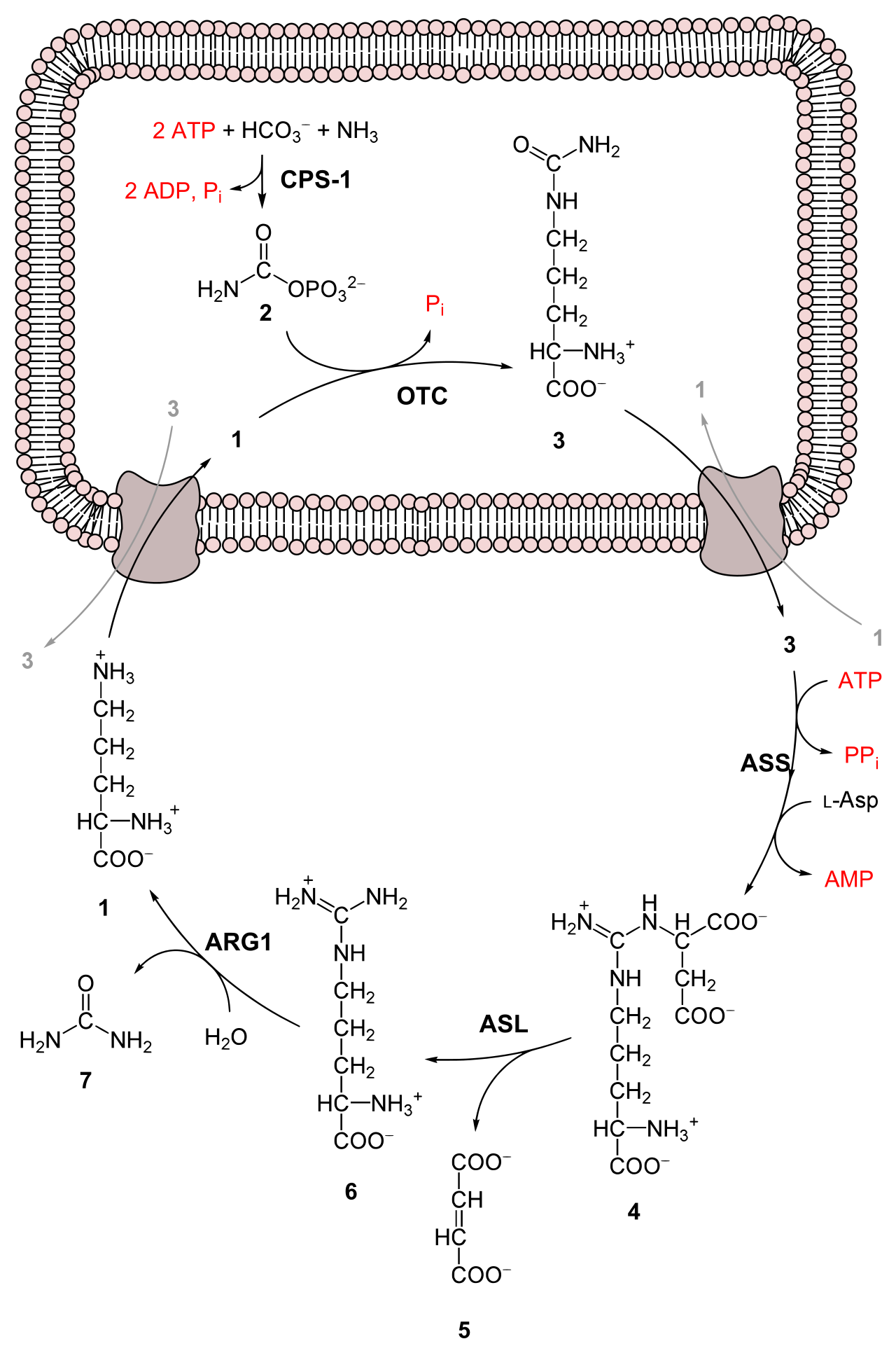
Image: Yikrazuul / Wikimedia Commons / CC BY-SA 3.0
Blood urea nitrogen (BUN) measures urea, a waste product the liver creates when it breaks down protein, which the kidneys normally clear from the blood. A high BUN can suggest reduced kidney filtration, but it's just as commonly caused by dehydration, a high-protein diet, gastrointestinal bleeding, or certain medicines — none of which reflect permanent kidney damage. A low BUN can reflect low protein intake, liver disease, or being overhydrated. Because so many non-kidney factors affect BUN, it's typically read alongside creatinine and eGFR, and the ratio between BUN and creatinine can offer a useful clue about whether reduced blood flow to the kidneys or a kidney-specific problem is more likely.
BUN is one of the more context-dependent numbers on a metabolic panel. Unlike creatinine, which is produced at a fairly steady rate from muscle, urea production swings with how much protein you've eaten, how hydrated you are, and whether there's blood in your gastrointestinal tract being broken down. A BUN reading in isolation tells you less than a BUN reading paired with creatinine.
- BUN reflects urea, a byproduct of protein breakdown cleared by the kidneys.
- Dehydration, high protein intake, and GI bleeding can all raise BUN without kidney damage.
- Low BUN can reflect low protein intake, liver disease, or overhydration.
- The BUN-to-creatinine ratio helps distinguish reduced blood flow to the kidneys from a kidney-specific problem, though it's a clue rather than a diagnosis.
What the test measures
When the body breaks down protein, ammonia is produced as a byproduct and converted by the liver into urea, a less toxic compound that travels through the blood until the kidneys filter it out. BUN measures the nitrogen component of this urea. Because both liver processing and kidney clearance are involved, BUN can be affected by changes in either organ system, not just the kidneys.
How the main pattern is interpreted
BUN is rarely interpreted alone — it's almost always read together with creatinine. When both BUN and creatinine rise together in a roughly proportional way, this pattern is more consistent with reduced kidney filtration overall. When BUN rises disproportionately more than creatinine, this pattern — often described using a BUN-to-creatinine ratio above roughly 20:1 — is more typically associated with causes that reduce blood flow to the kidneys without directly damaging kidney tissue, such as dehydration, heart failure, or gastrointestinal bleeding.
A BUN-to-creatinine ratio closer to or below 10:1 is more typically seen with low protein intake, liver disease (since the liver produces less urea when significantly impaired), or with conditions that damage the kidney tubules directly rather than primarily reducing blood flow.
Reference ranges versus diagnostic thresholds
A standard BUN reference range is typically around 7 to 20 mg/dL, though exact cut-offs vary by lab and method. This range is a general population reference, not a diagnostic threshold for kidney disease — a mildly elevated BUN with a normal creatinine and eGFR is a very different situation from an elevated BUN accompanied by a reduced eGFR. Diagnosing kidney disease relies primarily on eGFR and albuminuria patterns over time, as covered in the Elements84 creatinine and eGFR guide, with BUN serving as supporting context rather than a primary diagnostic criterion.
What can distort the result
Dehydration is one of the most common reasons for an isolated elevated BUN, since reduced blood flow to the kidneys allows more urea to be reabsorbed. A high-protein diet or recent high-protein meal can raise BUN by increasing urea production. Gastrointestinal bleeding introduces a large protein load (from digested blood) that the body breaks down, often raising BUN more than creatinine. Certain medicines, including some diuretics and corticosteroids, can also raise BUN. On the low end, a low-protein diet, pregnancy, significant liver disease, and being overhydrated (such as with excessive intravenous fluids) can all lower BUN.
What the result does not prove
A high BUN does not, by itself, establish that kidney filtration is reduced, and it cannot identify the specific cause of an elevation without additional context, including creatinine, hydration status, and recent diet or bleeding history. A low BUN similarly does not rule out any particular kidney condition on its own.
Common misunderstandings
A common misunderstanding is treating BUN as an equivalent, interchangeable marker to creatinine for assessing kidney function — the two respond to different physiological signals and disagreement between them is often informative rather than confusing. Another misunderstanding is assuming any elevated BUN indicates kidney disease; in many cases, especially when creatinine and eGFR are normal, an isolated BUN elevation reflects hydration status or diet rather than the kidneys themselves.
Practical next-step guidance
If BUN is mildly elevated with a normal creatinine and eGFR, reviewing recent hydration, protein intake, and any gastrointestinal symptoms is a reasonable starting point before assuming a kidney-related cause. If BUN and creatinine are both elevated together, following up with the Elements84 creatinine and eGFR guide for the broader kidney-function context is the more useful next step. A persistently abnormal BUN, especially with symptoms, is worth discussing with a clinician rather than interpreting in isolation.
- A markedly elevated BUN together with reduced urination, confusion, swelling, or a rising creatinine may reflect acute kidney injury and generally warrants prompt clinical evaluation rather than routine follow-up. In people with known advanced kidney disease, a rising BUN with symptoms such as nausea, poor appetite, or confusion can reflect accumulating waste products and should be raised with a clinician promptly.
Limitations and uncertainty
BUN's sensitivity to diet, hydration and gastrointestinal bleeding means a single value carries real ambiguity, and the BUN-to-creatinine ratio, while a useful clue, is not a precise or fully validated diagnostic tool on its own.
Frequently asked questions
Related articles
 Kidney Function & Electrolytes
Creatinine and eGFR: What These Kidney Function Results Mean Together
Understand what creatinine and estimated GFR (eGFR) measure, why eGFR is a calculated estimate rather than a direct measurement, and why one result cannot diagnose chronic kidney disease on its own.
 Kidney Function & Electrolytes
Urine Albumin-to-Creatinine Ratio: An Early Kidney-Damage Test Explained
Learn why urine albumin-to-creatinine ratio (uACR) can detect kidney damage before eGFR falls, how the A1/A2/A3 categories work, and what can cause a falsely elevated result.
 Kidney Function & Electrolytes
Cystatin C Blood Test: When It Adds Useful Information Beyond Creatinine
Learn what cystatin C measures, why it's less affected by muscle mass than creatinine, and when guidelines recommend using it to confirm a borderline eGFR result.