Coeliac Blood Test: tTG-IgA, Total IgA and the "Keep Eating Gluten" Rule
The tTG-IgA blood test is the first-line screen for coeliac disease — but only if you are still eating gluten. Learn how to interpret positive, weak positive and negative results.
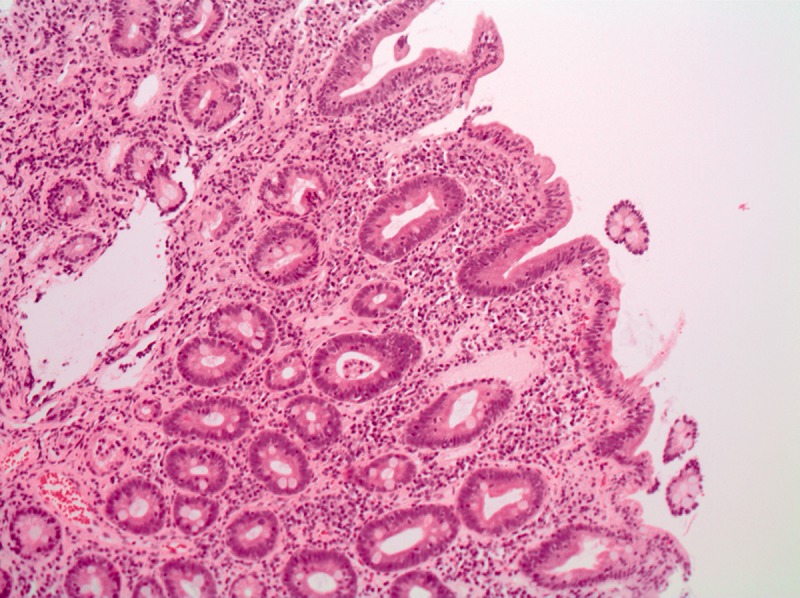
The first-line coeliac blood test is tTG-IgA plus total IgA. If tTG-IgA is > 10× the upper limit AND anti-endomysial antibody is positive, ESPGHAN and BSG allow diagnosis WITHOUT biopsy in children (and increasingly in adults). If total IgA is low, use IgG-based tests (deamidated gliadin peptide IgG, tTG-IgG). Testing while on a gluten-free diet is worthless — you MUST be eating gluten regularly for at least 6 weeks.
Coeliac disease affects ~1% of Western populations, mostly undiagnosed. tTG-IgA is the highest-sensitivity single test (~95%). Total IgA must be checked in parallel because 2–3% of coeliac patients are IgA-deficient (falsely negative tTG-IgA). Anti-endomysial antibody (EMA) is specific and used to confirm positive tTG-IgA. No-biopsy diagnosis is accepted when tTG-IgA > 10× ULN and EMA-positive. Testing requires ongoing gluten intake (≥ 6 weeks, ≥ 10 g gluten/day) — a gluten-free diet normalises serology within weeks. First-degree relatives of coeliac patients, and patients with unexplained iron deficiency, fatigue, B12/folate deficiency, chronic diarrhoea, IBS, type 1 diabetes, autoimmune thyroid disease, or osteoporosis should be screened.
- First-line test
- tTG-IgA + total IgA
- Sensitivity of tTG-IgA
- ~95%
- IgA deficiency prevalence
- 2–3% in coeliac
- No-biopsy criteria
- tTG-IgA > 10× ULN + EMA positive
- Gluten intake before test
- ≥ 6 weeks, ≥ 10 g/day
The critical "keep eating gluten" rule
Coeliac serology relies on ongoing gluten-driven immune activity. Stop gluten and tTG-IgA falls into the normal range within weeks. Any patient tested on a gluten-free or reduced-gluten diet risks a falsely negative result and a missed diagnosis. If gluten has already been stopped, the standard "gluten challenge" is 10 g/day (equivalent to ~4 slices of bread) for at least 6 weeks before repeat serology.
Coeliac serology decision matrix
| Result | Interpretation | Next step |
|---|---|---|
| tTG-IgA negative + normal total IgA | Coeliac unlikely | No further testing unless high clinical suspicion |
| tTG-IgA weakly positive | Possible coeliac | Endoscopic duodenal biopsy |
| tTG-IgA > 10× ULN + EMA positive | Coeliac (no-biopsy pathway acceptable) | HLA DQ2/DQ8 supportive; start gluten-free diet |
| tTG-IgA negative + low total IgA | IgA deficiency | Use IgG-based tests (DGP-IgG, tTG-IgG) |
Who should be tested
NICE and BSG recommend testing anyone with: unexplained iron deficiency, folate or B12 deficiency, chronic diarrhoea, IBS symptoms, unintentional weight loss, faltering growth in children, elevated liver enzymes, first-degree relative with coeliac, type 1 diabetes, autoimmune thyroid disease, or osteoporosis. Population screening is not recommended, but the threshold to test in the presence of any high-yield symptom is low.
- Confirmed coeliac + persistent symptoms despite strict gluten-free diet — refractory coeliac workup.
- Coeliac + rapid weight loss + abdominal pain — enteropathy-associated T-cell lymphoma risk.
- Coeliac + iron / B12 / folate / vitamin D deficiency — nutritional workup.
- Coeliac + osteoporosis or unexplained fractures — DEXA and bone-health review.
Coeliac serology walk-through
- 1On a gluten-containing diet?Order tTG-IgA + total IgA.
- 2Recently gluten-free?Gluten challenge 10 g/day × 6 weeks then re-test.
- 3tTG-IgA > 10× ULN + EMA positive?No-biopsy diagnosis pathway (adults now included in many guidelines). Start gluten-free diet.
- 4Low IgA?Use DGP-IgG or tTG-IgG.
Related questions people ask
- Do I need to eat gluten before the test?
- What is IgA deficiency?
- Can I diagnose coeliac without biopsy?
- What causes iron deficiency in coeliac?
- Should family members be tested?
- How does coeliac relate to unexplained fatigue?
- What is refractory coeliac disease?
Frequently asked questions
- First-line coeliac test: tTG-IgA + total IgA.
- Must be eating gluten (≥ 10 g/day for ≥ 6 weeks) before testing.
- tTG-IgA > 10× ULN + EMA positive = no-biopsy diagnosis in many guidelines.
- IgA deficiency requires IgG-based tests.
- Test unexplained iron / B12 / folate deficiency and first-degree relatives.
- Serial tTG-IgA monitors gluten-free diet adherence.
References
3 sources- BSGGuidelines for the Diagnosis and Management of Coeliac Disease
UK gastroenterology society.
bsg.org.uk
- NICE NG20Coeliac disease
UK NICE coeliac guideline.
nice.org.uk
- ACGDiagnosis and Management of Celiac Disease
US ACG coeliac guideline.
gi.org
Related articles
 Laboratory Tests
TSH Test: Normal Range, High, Low & What Your Result Actually Means
TSH is the single most important thyroid number. Understand normal ranges by age and pregnancy, what a high or low value really tells you, and the two follow-up tests that clinch the diagnosis.
 Laboratory Tests
HbA1c Test: Normal Range, Prediabetic, Diabetic Cut-offs & How to Lower It
HbA1c reflects your average blood sugar over ~3 months. Understand every threshold — normal, prediabetes, diabetes — and the realistic actions that move the number.
 Laboratory Tests
LDL Cholesterol: Optimal Numbers, High Numbers, and How to Read Yours
LDL is the "bad" cholesterol only if you leave the story there. Understand optimal targets by risk group, the ApoB perspective, and the interventions that actually shift the number.