Fatigue but All Blood Tests Normal: What the Standard Panel Misses
A "normal" panel covers about 15 conditions. Fatigue has more than 100 causes. Here is what the tests do not check — and what actually might be going on.

The standard fatigue panel — CBC, ferritin, TSH, HbA1c, U&E, LFTs, vitamin D, B12 — covers roughly 15 conditions. But fatigue has over 100 causes. If your panel is clean, the highest-yield next domains are sleep quality, mood, cardiovascular deconditioning, POTS, subclinical iron / thyroid changes, chronic low-grade inflammation, and post-viral or post-COVID states. A structured self-assessment beats another random blood test.
A standard fatigue panel covers roughly 15 conditions but fatigue has over 100 causes. Common under-tested domains include sleep quality and apnoea, mental health, cardiovascular deconditioning, POTS, subclinical thyroid changes, functional iron deficiency (ferritin < 50), chronic low-grade inflammation, and post-viral or post-COVID states. Structured self-assessment beats repeat blood tests.
- Standard panel covers
- ~15 conditions
- Fatigue differential
- 100+ conditions
- Highest-yield next domain
- Sleep quality + mental health screen
- Key concept
- "Normal" panel does not equal "nothing wrong"
What the standard panel actually rules out
Anaemia, overt thyroid disease, diabetes, kidney disease, liver dysfunction, B12 and vitamin D deficiency. That is a solid foundation but it leaves enormous gaps. Sleep apnoea, insomnia, POTS, subclinical hypothyroidism, functional iron deficiency (ferritin < 30 with normal Hb), chronic infections (Lyme, EBV reactivation), autoimmune diseases in their early phase, and depression are all common and often missed.
One of the biggest gaps: a "normal" ferritin below 50 is common in fatigued patients, especially women. Iron deficiency without anaemia is real, and iron replacement often resolves symptoms in this group.
Domains beyond the standard panel
| Domain | Common finding | How to check |
|---|---|---|
| Sleep | Sleep apnoea, insomnia | Home sleep study, sleep diary |
| Mental health | Depression, anxiety | PHQ-9, GAD-7 screening |
| Deconditioning | Post-viral, sedentary | Graded exercise trial |
| POTS / dysautonomia | Orthostatic tachycardia | Active stand test, tilt-table |
| Subclinical thyroid | TSH 3–4 with symptoms | Anti-TPO antibodies, T3 |
| Functional iron deficiency | Ferritin < 50 | Iron studies, sTfR |
| Chronic inflammation | Persistent CRP 5–15 | Trend CRP, ESR, autoimmune screen |
| Long COVID | Fatigue > 3 months post-COVID | Clinical criteria + exclusion |
- Unintentional weight loss.
- Night sweats.
- Persistent fever.
- Lymphadenopathy.
- Progressive breathlessness on exertion.
- New neurological symptoms.
A structured approach
- 1How well do you sleep?Assess sleep quality first — snoring, apnoeas, insomnia, restless legs. A home sleep test is high-yield and often overlooked.
- 2PHQ-9 / GAD-7 scores?Screen for depression and anxiety. Both cause profound fatigue and both are treatable.
- 3Ferritin < 50 with fatigue?Trial oral iron and reassess in 3 months. Functional iron deficiency is common in women.
- 4Orthostatic symptoms?Active stand test — heart rate rise > 30 bpm within 10 minutes suggests POTS.
- 5Post-viral fatigue > 3 months?Long COVID / post-viral clinic assessment. Pace activity.
Related questions people ask
- Can iron deficiency without anaemia cause fatigue?
- What is POTS?
- What is subclinical hypothyroidism?
- How is long COVID diagnosed?
- Can depression cause physical fatigue?
- Should I get a sleep study for fatigue?
- Does B12 deficiency cause fatigue with normal blood tests?
Frequently asked questions
- A "normal" panel does not rule out real, treatable causes.
- Sleep, mood, subclinical iron/thyroid, and post-viral states are the top under-tested domains.
- Structured self-assessment beats another random panel.
- Red flags (weight loss, night sweats, fever) always deserve urgent evaluation.
References
2 sources- NICE NG206ME/CFS
Post-viral and chronic fatigue guidance.
nice.org.uk
- AAFPChronic Fatigue Approach
Primary care differential.
aafp.org
Related articles
 Lab Interpretation
Vitamin D Deficiency: When Low Numbers Actually Matter
A "low" vitamin D result is not always a real deficiency, and not every low result needs treatment. Here is how clinicians actually decide.
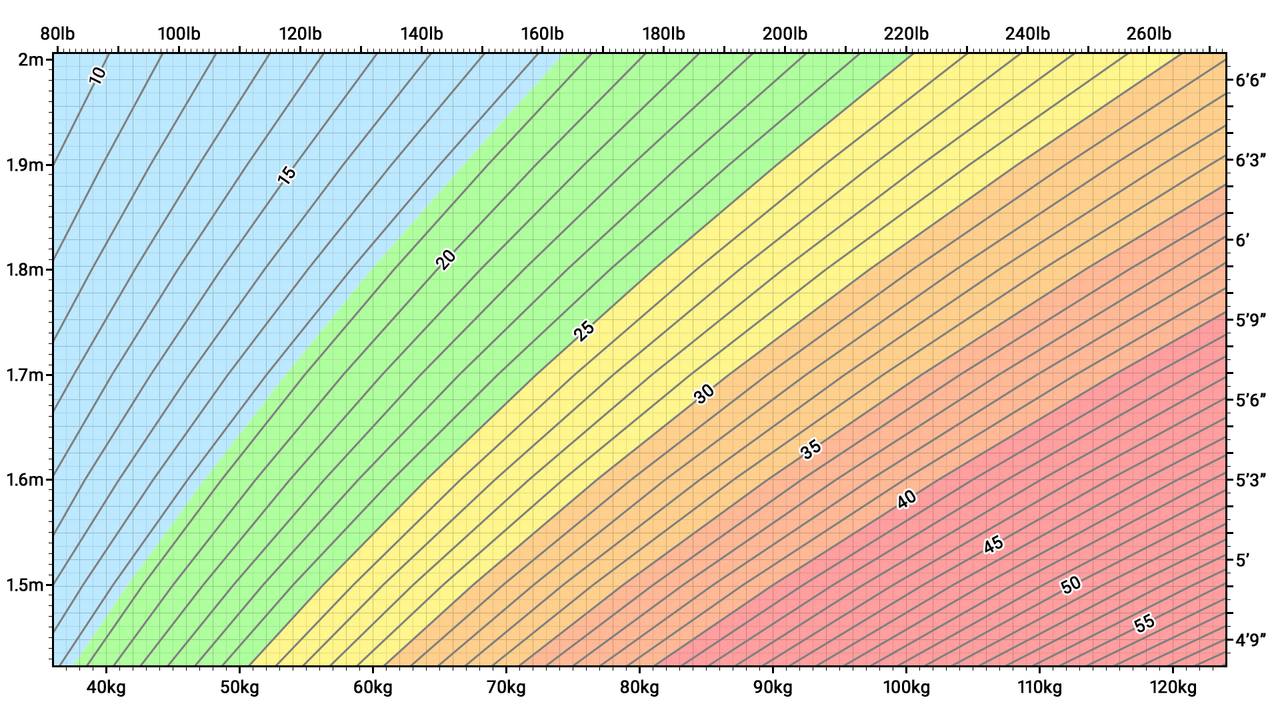 Body Measurements
Understanding BMI in 2026: Beyond the Single Number
BMI is a starting point, not a verdict. Here is how to interpret it with body fat %, waist-to-height and lifestyle context.
 Hydration
The Science of Hydration: How Much Water Do You Really Need?
The "8 glasses a day" rule is a myth. Modern physiology gives us a far more elegant — and personal — answer.