Complete Blood Count (CBC): A Plain-English Guide to Every Number
The CBC is the most common blood test in medicine and the most misread. Learn what each of the 12 numbers actually means and which combinations point to what.
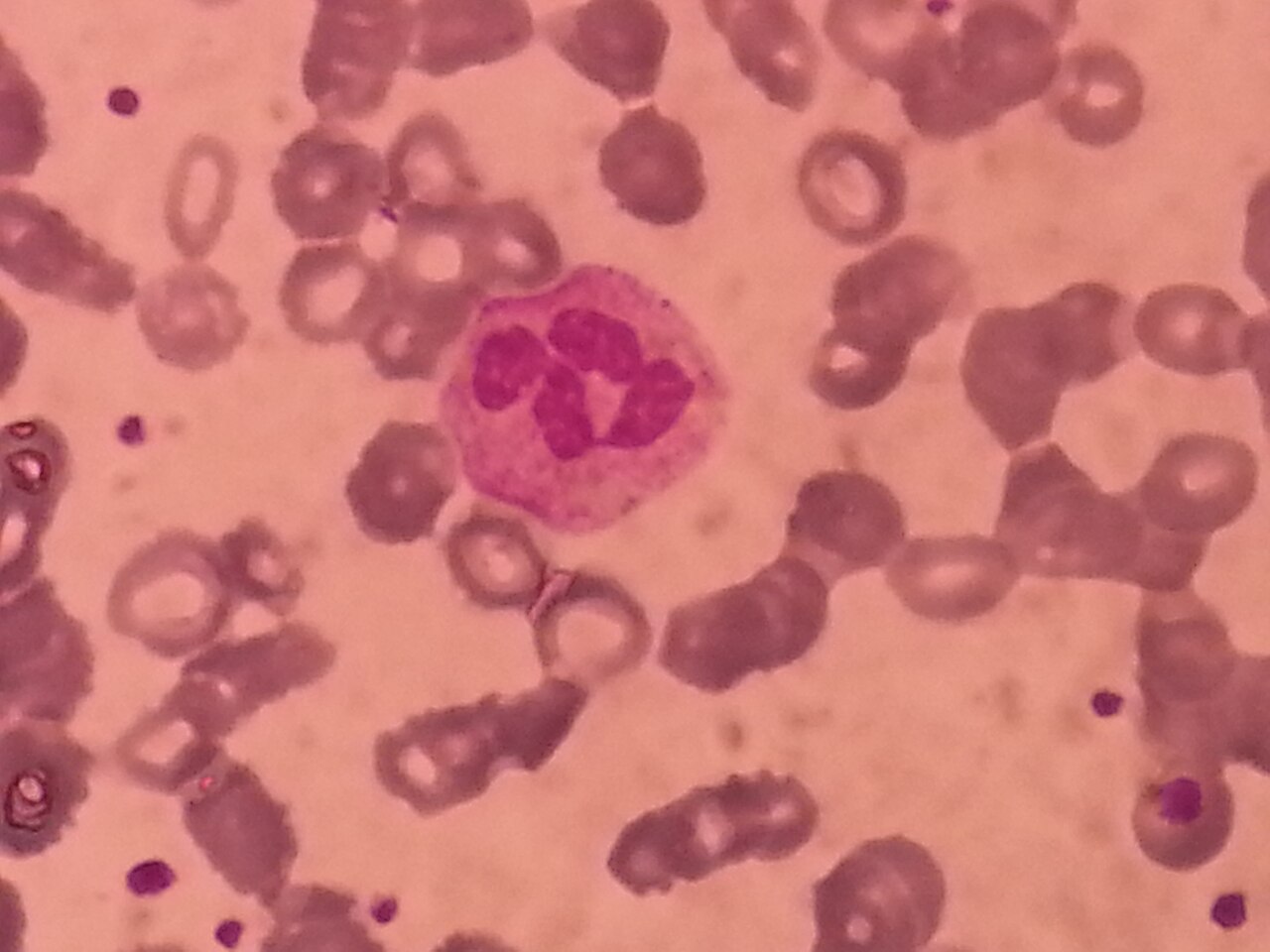
A CBC reports the number and size of red blood cells (haemoglobin, haematocrit, MCV), the number and types of white cells (WBC + differential), and the platelet count. Low haemoglobin means anaemia; MCV tells you what kind. A high WBC usually means infection, inflammation or steroid use. A low platelet count needs a repeat sample first before serious workup — clumping causes false lows.
The complete blood count returns three cell lines: red cells (RBC, Hb, Hct, MCV, MCH, MCHC, RDW), white cells (total WBC and five-part differential: neutrophils, lymphocytes, monocytes, eosinophils, basophils) and platelets (count and MPV). Anaemia is defined by haemoglobin below 13 g/dL (males) or 12 g/dL (females); MCV then classifies it as microcytic (< 80 fL), normocytic (80–100), or macrocytic (> 100). WBC patterns — neutrophilia, lymphocytosis, eosinophilia — narrow the differential faster than the total count. Isolated low platelets (< 100 × 10⁹/L) demand repeat sampling to exclude EDTA-induced clumping before serious investigation.
- Anaemia threshold (WHO)
- < 13 g/dL male, < 12 g/dL female
- Normal WBC
- 4.0 – 11.0 × 10⁹/L
- Normal platelets
- 150 – 400 × 10⁹/L
- Best size classifier
- MCV — micro vs normo vs macrocytic
- Fasting required
- No
The three cell lines
Red blood cells carry oxygen; the CBC quantifies both how many you have (RBC count) and how much oxygen-carrying protein they contain (haemoglobin). Haematocrit is the percentage of blood volume occupied by red cells and moves in step with haemoglobin. MCV — mean corpuscular volume — measures how big the red cells are and is the single most useful clue when investigating anaemia.
White blood cells fight infection and mediate inflammation. The total WBC is less informative than the five-part differential which breaks white cells into neutrophils (bacterial infection, inflammation, steroids), lymphocytes (viral infection, some leukaemias), monocytes (chronic inflammation, autoimmune), eosinophils (allergy, parasites, drug reaction) and basophils (rare — often not clinically important).
Platelets clot bleeding. Numbers between 150 and 400 × 10⁹/L are normal; below 100 raises concern about bleeding, above 450 raises concern about clotting (or, more often, reactive thrombocytosis from inflammation).
Anaemia classification by MCV
| MCV | Type | Most common causes | Next test |
|---|---|---|---|
| < 80 fL | Microcytic | Iron deficiency, thalassaemia trait, anaemia of chronic disease | Ferritin, iron studies, haemoglobin electrophoresis |
| 80–100 fL | Normocytic | Acute blood loss, early iron deficiency, chronic disease, renal failure, mixed | Reticulocyte count, ferritin, creatinine |
| > 100 fL | Macrocytic | B12/folate deficiency, alcohol, hypothyroidism, myelodysplasia, drugs (methotrexate, hydroxyurea) | B12, folate, TSH, reticulocyte count |
How to read a WBC pattern
A raised total WBC (leukocytosis) accompanied by neutrophil dominance is most commonly bacterial infection — but is also produced by any acute stressor including surgery, steroids, exercise, and pregnancy. Lymphocyte-dominant lymphocytosis is usually viral (EBV, CMV, hepatitis) or, occasionally, chronic lymphocytic leukaemia in older patients. Eosinophilia points at allergy, drug reaction, parasites, or (less commonly) hypereosinophilic syndromes.
A very low WBC (leukopenia) with neutropenia below 1.0 × 10⁹/L is a sepsis risk — patients on chemotherapy or with autoimmune disease may need urgent review.
When a low platelet count is a false alarm
EDTA (the anticoagulant in purple-top tubes) sometimes causes platelets to clump together, tricking automated counters into reporting an artificially low value. This is called pseudothrombocytopenia. Before triggering a bleeding workup for a first-time platelet count between 50 and 100 × 10⁹/L, ask for a repeat sample in a citrate (blue-top) tube and a peripheral blood smear. Genuine low platelets need investigation — pseudothrombocytopenia does not.
- Haemoglobin < 8 g/dL, especially with chest pain, palpitations, or dizziness.
- Neutrophil count < 1.0 × 10⁹/L with fever — treat as neutropenic sepsis.
- Platelet count < 50 × 10⁹/L with any bleeding or bruising.
- WBC > 30 × 10⁹/L or the appearance of any blast cells.
- Pancytopenia — low counts across all three cell lines.
CBC follow-up decision tree
- 1Low haemoglobin?Classify by MCV. Microcytic → iron studies + ferritin. Macrocytic → B12, folate, TSH. Normocytic → reticulocyte count, ferritin, creatinine.
- 2High WBC (> 12)?Look at the differential. Neutrophilia → check for infection, stress, steroids. Lymphocytosis → viral vs CLL. Eosinophilia → allergy, drug, parasite.
- 3Low platelets (< 100)?Request repeat sample (citrate tube) + peripheral smear to exclude clumping. If confirmed low → drug review, immune thrombocytopenia workup, haematology referral.
- 4High platelets (> 450)?Repeat in 6 weeks. Most cases are reactive to inflammation, iron deficiency, splenectomy, or infection. Persistent unexplained thrombocytosis → screen for myeloproliferative disease.
Related questions people ask
- What causes microcytic anaemia?
- When is a high WBC a serious problem?
- Can I have anaemia with a normal haemoglobin?
- What is RDW and why does it matter?
- Do I need to fast for a CBC?
- Are platelets over 500 dangerous?
- What is MCV telling me?
Frequently asked questions
- CBC = red cells + white cells + platelets. Each line has its own patterns.
- MCV is the single most useful clue in anaemia workup.
- The WBC differential matters more than the total.
- Low platelets < 100 need a repeat in a citrate tube first to rule out clumping.
- Pancytopenia, blast cells, or Hb < 8 with symptoms need urgent review.
- Reference ranges are lab-specific — read your own report, not the internet.
References
3 sources- WHOHaemoglobin concentrations for the diagnosis of anaemia
International anaemia definitions.
who.int
- BSHGuidelines on Full Blood Count Interpretation
UK haematology society CBC review.
b-s-h.org.uk
- ASHComplete Blood Count Guide
Patient-facing CBC resource.
hematology.org
Evidence Snapshot
This snapshot shows verified evidence records matched to this article. It is not a diagnosis or personal medical advice.
A complete blood count reports red blood cells, white blood cells, haemoglobin, haematocrit, platelets and red-cell indices, so a single CBC result is a set of related sub-measurements rather than one number.
Limitation. An isolated abnormality in one CBC component may be a lab artefact rather than a true clinical finding; repeat testing is often needed for confirmation.
Reference ranges printed on a complete blood count report vary between laboratories and by age and sex, so a value flagged as abnormal at one laboratory may fall within the reference range of another.
Limitation. Direct comparison of CBC values between two laboratories using different methods is not always meaningful without knowing each lab's reference range.
Haemoglobin is an iron-containing protein inside red blood cells that binds and carries oxygen from the lungs to tissues throughout the body.
Limitation. A haemoglobin concentration alone does not identify why a value is abnormal; further tests are typically needed to identify the cause.
Related articles
 Laboratory Tests
TSH Test: Normal Range, High, Low & What Your Result Actually Means
TSH is the single most important thyroid number. Understand normal ranges by age and pregnancy, what a high or low value really tells you, and the two follow-up tests that clinch the diagnosis.
 Laboratory Tests
HbA1c Test: Normal Range, Prediabetic, Diabetic Cut-offs & How to Lower It
HbA1c reflects your average blood sugar over ~3 months. Understand every threshold — normal, prediabetes, diabetes — and the realistic actions that move the number.
 Laboratory Tests
LDL Cholesterol: Optimal Numbers, High Numbers, and How to Read Yours
LDL is the "bad" cholesterol only if you leave the story there. Understand optimal targets by risk group, the ApoB perspective, and the interventions that actually shift the number.