Creatinine and eGFR: How to Read Your Kidney Function Blood Test
Creatinine and eGFR together tell you how well your kidneys are filtering. Learn what each number means, why muscle mass and race adjustments matter, and when a low eGFR is genuinely concerning.
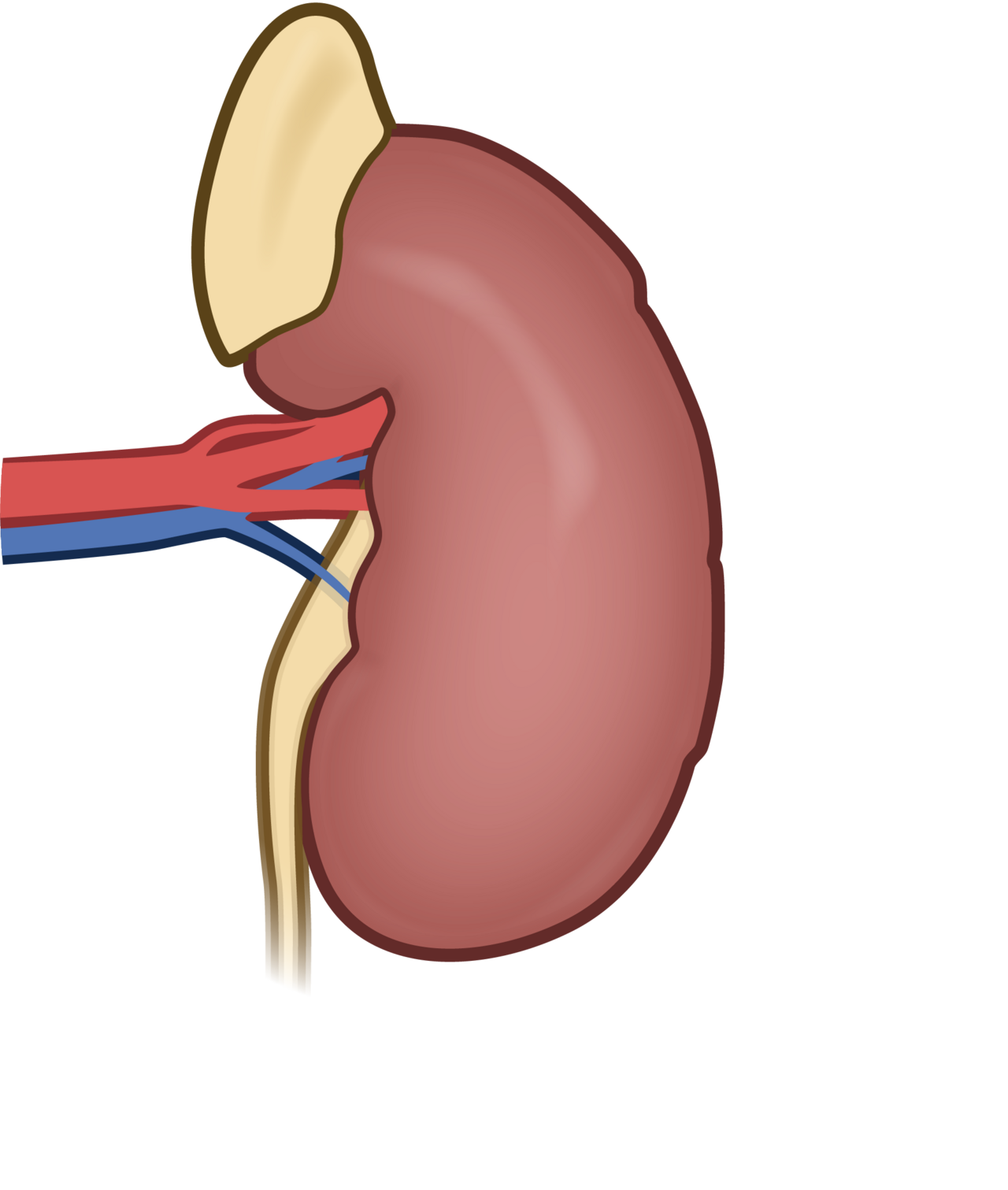
Serum creatinine is a muscle breakdown product cleared by the kidneys — the higher it climbs, the less your kidneys are filtering. eGFR uses that creatinine (plus age, sex, and body size) to estimate filtration rate in mL/min per 1.73 m². Normal eGFR is above 90; anything below 60 for three months meets the definition of chronic kidney disease.
Creatinine reflects the balance between muscle breakdown and kidney clearance. Because it depends on muscle mass, the same creatinine has different meaning in a young weight-lifter versus an elderly frail patient — which is why eGFR (a formula-derived estimate of filtration) is the better single number. The 2021 CKD-EPI equation removed the race coefficient. Chronic kidney disease is defined by eGFR < 60 mL/min/1.73 m² for ≥ 3 months, OR any structural kidney abnormality (proteinuria, haematuria, imaging) regardless of eGFR. Progression risk is stratified by eGFR AND albuminuria — both must be measured.
- Normal creatinine (male)
- 0.7 – 1.3 mg/dL (62–115 µmol/L)
- Normal creatinine (female)
- 0.6 – 1.1 mg/dL (53–97 µmol/L)
- Normal eGFR
- > 90 mL/min/1.73 m²
- CKD threshold
- eGFR < 60 for ≥ 3 months
- Best partner test
- Urine albumin-to-creatinine ratio (ACR)
Why the two numbers travel together
Creatinine on its own is a poor single measure of kidney function because it depends on how much muscle you carry. A body-builder with fully healthy kidneys can have a creatinine of 1.4 mg/dL — well above the reference range — simply because his muscle mass generates more creatinine per day than the "average" reference person. Conversely, a frail 82-year-old with 55% of normal muscle mass may have a "normal" creatinine of 1.0 mg/dL while her true filtration is only 40 mL/min.
eGFR fixes this by combining creatinine with age, sex, and body-size assumptions. The 2021 CKD-EPI equation (which removed the race adjustment) is now standard in most laboratories and gives a filtration estimate normalised to 1.73 m² of body surface area. It is more accurate at eGFRs above 60 than below, and can be refined with cystatin C when muscle mass is atypical.
CKD stages by eGFR (KDIGO 2024)
| Stage | eGFR (mL/min/1.73 m²) | Description | Typical action |
|---|---|---|---|
| G1 | ≥ 90 | Normal — CKD only if structural abnormality present | Address risk factors (BP, glucose) |
| G2 | 60–89 | Mildly reduced — CKD only if albuminuria or imaging abnormal | Monitor annually |
| G3a | 45–59 | Mildly-moderately reduced | Monitor 6-monthly, adjust drug dosing |
| G3b | 30–44 | Moderately-severely reduced | Nephrology if progressive; SGLT2i, RAAS blockade |
| G4 | 15–29 | Severely reduced | Nephrology referral, plan for kidney replacement |
| G5 | < 15 | Kidney failure | Dialysis or transplant planning |
What causes creatinine to rise
The most common cause of a rising creatinine over years is progression of hypertension, diabetes, or vascular disease — the "big three" drivers of chronic kidney disease. Sudden acute rises (over days) point to acute kidney injury (AKI): dehydration, sepsis, nephrotoxic drugs (NSAIDs, aminoglycosides, iodinated contrast, cisplatin), urinary obstruction, or renal artery disease.
Non-kidney causes of a modestly high creatinine include intense recent exercise, high-protein meals, and cimetidine or trimethoprim (both block tubular creatinine secretion and can raise the number by 10–20% without any real drop in filtration). Repeat testing before diagnosing CKD after a one-off high reading.
Why albuminuria matters as much as eGFR
A patient with eGFR 55 and no albuminuria has a much better prognosis than a patient with eGFR 55 and albumin-to-creatinine ratio above 300 mg/g. Guidelines therefore stage CKD by BOTH eGFR (G1–G5) AND albuminuria (A1: < 30 mg/g, A2: 30–300, A3: > 300). The two-axis staging predicts progression, cardiovascular events, and all-cause mortality more accurately than either alone.
This is why every patient with a low eGFR needs a spot urine albumin-to-creatinine ratio — not just a repeat creatinine.
- Creatinine has increased by ≥ 0.3 mg/dL within 48 hours or ≥ 50% within 7 days — this defines acute kidney injury.
- You are on ACE inhibitors/ARBs, diuretics, or SGLT2 inhibitors and have been unwell with vomiting or diarrhoea.
- You have started a new medication (NSAIDs, antibiotic, contrast scan) in the last week.
- Urine output has fallen significantly, urine looks dark, or there is new leg or face swelling.
Interpreting a new low eGFR
- 1Is the drop sudden (days, not months)?Assess for acute kidney injury — dehydration, sepsis, drugs, obstruction. Repeat in 24–72 hours, review medications, hold NSAIDs and RAAS blockade until stable.
- 2eGFR 45–59 for the first time?Repeat in 6 weeks with urine ACR. If confirmed and stable, monitor 6-monthly. Optimise BP and glucose control.
- 3eGFR < 30 for the first time?Confirm quickly (within 2 weeks), refer to nephrology, screen for reversible causes (obstruction, renal artery stenosis, myeloma).
- 4eGFR falling more than 5 mL/min per year?Progressive CKD — nephrology involvement, aggressive BP control (< 130/80), consider SGLT2 inhibitor even without diabetes if ACR > 200 mg/g.
Related questions people ask
- Is eGFR 60 the same as 40% kidney function?
- Can eGFR bounce back?
- Does protein in urine mean kidney damage?
- What is cystatin C?
- Do NSAIDs damage the kidneys?
- How often should eGFR be repeated in mild CKD?
- Should I stop my ACE inhibitor if creatinine rises?
Frequently asked questions
- Creatinine alone is muscle-dependent — use eGFR for a clearer filtration estimate.
- CKD is defined by eGFR < 60 for ≥ 3 months OR structural kidney abnormality.
- Stage CKD by BOTH eGFR and albumin-to-creatinine ratio.
- Sudden creatinine rise (≥ 0.3 in 48h or ≥ 50% in 7 days) = acute kidney injury.
- Muscle mass, high-protein meals, creatine supplements, and some drugs shift creatinine without changing real filtration.
- The 2021 CKD-EPI equation removed the race coefficient — expect newer, race-agnostic eGFR values.
References
3 sources- KDIGO 2024 Clinical Practice Guideline for CKD
International CKD staging and management standard.
kdigo.org
- NIDDKEstimating Glomerular Filtration Rate (GFR)
US patient-facing eGFR resource.
niddk.nih.gov
- NICE NG203Chronic kidney disease: assessment and management
UK CKD guidance.
nice.org.uk
Related articles
 Laboratory Tests
TSH Test: Normal Range, High, Low & What Your Result Actually Means
TSH is the single most important thyroid number. Understand normal ranges by age and pregnancy, what a high or low value really tells you, and the two follow-up tests that clinch the diagnosis.
 Laboratory Tests
HbA1c Test: Normal Range, Prediabetic, Diabetic Cut-offs & How to Lower It
HbA1c reflects your average blood sugar over ~3 months. Understand every threshold — normal, prediabetes, diabetes — and the realistic actions that move the number.
 Laboratory Tests
LDL Cholesterol: Optimal Numbers, High Numbers, and How to Read Yours
LDL is the "bad" cholesterol only if you leave the story there. Understand optimal targets by risk group, the ApoB perspective, and the interventions that actually shift the number.