Protein in Urine but Normal Kidney Function: What It Actually Means
Trace or 1+ protein on a dipstick with normal eGFR is common and usually benign — but not always. Here is how to tell orthostatic proteinuria from early kidney disease.
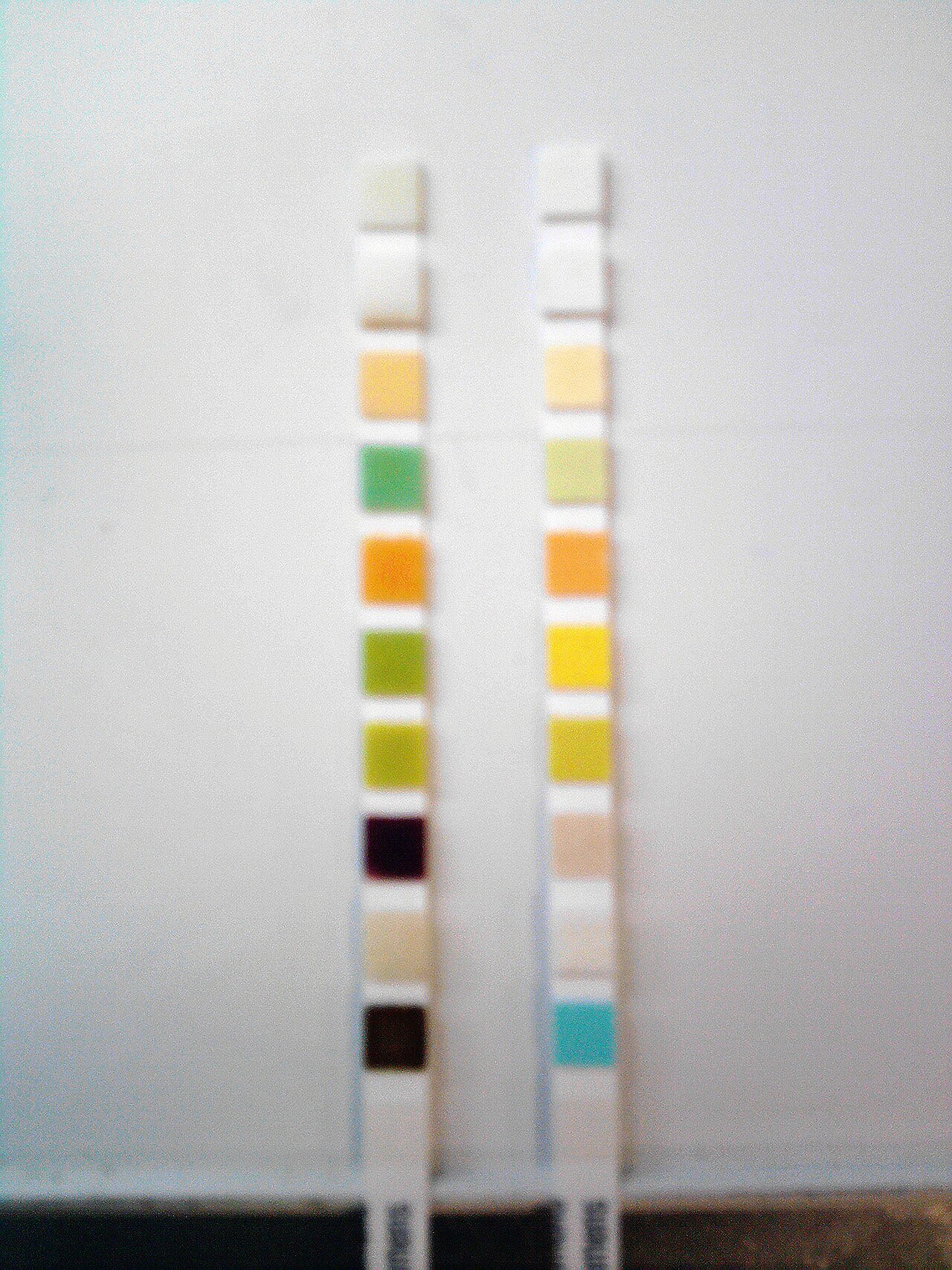
A urine dipstick showing trace-to-1+ protein with normal creatinine is a common insurance-physical finding. Most of the time it is orthostatic, transient (from exercise, fever, dehydration), or functional. The correct next step is to quantify it using a spot urine protein-to-creatinine ratio (uPCR) or albumin-to-creatinine ratio (uACR). Anything above 150 mg/g uPCR or 30 mg/g uACR warrants closer follow-up. Persistent quantified proteinuria — even with normal eGFR — is the earliest sign of most kidney diseases.
Protein in urine with normal kidney function is often transient or orthostatic and usually benign. A first-morning-void urine albumin-to-creatinine ratio quantifies true proteinuria; values above 30 mg/g on two occasions warrant follow-up. Persistent proteinuria is the earliest sign of most kidney diseases — especially diabetic and hypertensive nephropathy.
- Dipstick 1+
- Roughly 30 mg/dL — often false positive
- Best confirmation
- Spot uACR or uPCR
- Normal uACR
- < 30 mg/g
- Nephrotic range
- > 3500 mg/day
Not all proteinuria is kidney disease
The dipstick reacts to albumin at concentrations as low as 15 mg/dL, and it also reacts to concentrated urine, alkaline urine, and after certain contrast agents. Perhaps a third of one-off "protein in urine" results in healthy young people are false positives once quantified properly.
True transient proteinuria happens after strenuous exercise, in fevers, in urinary infections, in dehydration, and after seizures. It resolves within days. Orthostatic (postural) proteinuria is a distinct entity in adolescents and young adults — protein appears only after standing for several hours. A first-morning-void sample is the diagnostic test.
Benign vs concerning proteinuria
| Feature | Benign / transient | Concerning |
|---|---|---|
| uACR | < 30 mg/g | > 30 mg/g on 2+ occasions |
| First-morning sample | Negative (orthostatic) | Positive |
| Blood pressure | Normal | Often raised |
| Kidney function trend | Stable | eGFR falling |
| Haematuria | Absent | Often present (glomerular) |
| Diabetes / systemic disease | Absent | Present |
Why quantifying matters even with normal eGFR
Kidney disease can silently damage glomeruli for years before eGFR falls. Albuminuria is the earliest measurable sign, especially in diabetes and hypertension. A patient with uACR 100 mg/g and eGFR 90 is at higher cardiovascular and renal risk than a patient with uACR 5 mg/g and eGFR 70.
This is why 2026 guidelines from KDIGO and NICE emphasise measuring uACR whenever chronic kidney disease is possible — not waiting for creatinine to rise.
- You have diabetes — proteinuria is the earliest sign of diabetic kidney disease.
- You have hypertension — even mild proteinuria doubles cardiovascular risk.
- You have a family history of kidney failure.
- It is present on multiple samples 3 months apart.
Sensible next steps
- 1First dipstick positive, no risk factors, young and well?Repeat with a first-morning void and quantify with uACR. Most will resolve.
- 2Quantified uACR 30–300 mg/g on two samples?Confirm chronic albuminuria. Screen for diabetes, hypertension, and cardiovascular risk. Consider ACE inhibitor / ARB if diabetic or hypertensive.
- 3uACR > 300 mg/g or haematuria present?Nephrology referral. Consider kidney biopsy if kidney function is falling or nephrotic-range protein.
- 4First-morning sample negative but daytime sample positive?Orthostatic proteinuria — benign in adolescents and young adults, follow-up in 1 year.
Related questions people ask
- What is orthostatic proteinuria?
- Is uACR or uPCR better?
- Can hydration lower protein in urine?
- Do NSAIDs cause proteinuria?
- When does proteinuria need a kidney biopsy?
- Is proteinuria always kidney disease?
- What is the earliest sign of diabetic kidney disease?
Frequently asked questions
- Dipstick protein is a screen — quantify with uACR or uPCR.
- First-morning void separates orthostatic (benign) from persistent.
- Proteinuria with normal eGFR still matters — it is the earliest sign of kidney disease.
- Diabetes + proteinuria = start ACE inhibitor or ARB.
References
2 sources- KDIGO 2024 CKD Guideline
Chronic kidney disease diagnosis and staging.
kdigo.org
- NICENICE NG203
CKD in adults: assessment and management.
nice.org.uk
Related articles
 Nephrology
Blood in Urine but Normal CT Scan and Cystoscopy: What Comes Next
A negative urology workup does not always end the story. Here is the consultant-grade differential when haematuria persists despite clean imaging.
 Lab Interpretation
Vitamin D Deficiency: When Low Numbers Actually Matter
A "low" vitamin D result is not always a real deficiency, and not every low result needs treatment. Here is how clinicians actually decide.
 Body Measurements
Understanding BMI in 2026: Beyond the Single Number
BMI is a starting point, not a verdict. Here is how to interpret it with body fat %, waist-to-height and lifestyle context.