Homocysteine Blood Test: What Elevated Levels Really Mean
Homocysteine used to be marketed as "the next cholesterol". The reality is more nuanced. Learn when it is worth testing, what elevated levels reflect, and why lowering it with vitamins does not always help.
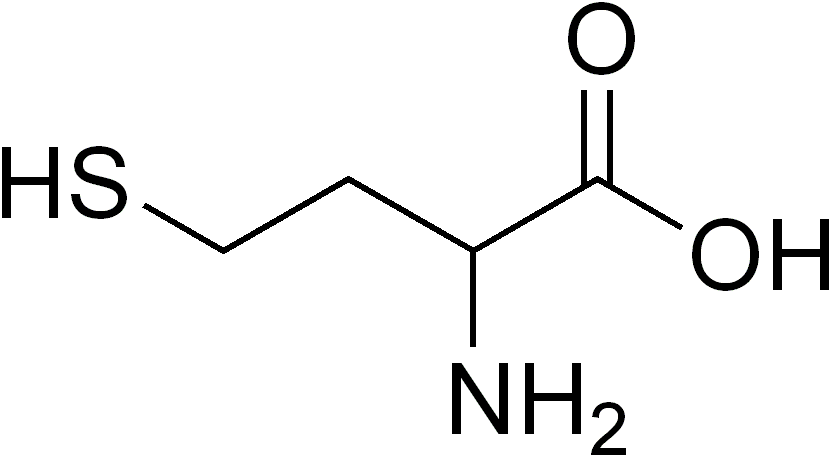
Normal homocysteine is roughly 5–15 µmol/L (fasting). Above 15 is mildly elevated, above 30 is moderate, above 100 is severe. Most modest elevations reflect low B12, folate, or B6 — or reduced kidney clearance — rather than a primary cardiovascular problem. Lowering homocysteine with high-dose B-vitamins reduces stroke risk modestly but has NOT consistently reduced heart attacks in trials.
Homocysteine is an intermediate amino acid produced during methionine metabolism. Its concentration rises when B12, folate, or B6 are deficient, in chronic kidney disease, hypothyroidism, and in the MTHFR C677T variant (mildly elevated) or homozygous CBS mutations (severely elevated, homocystinuria). Observationally, high homocysteine is associated with cardiovascular events and stroke. Randomised trials (NORVIT, HOPE-2, VITATOPS) that lowered homocysteine with B-vitamins showed modest stroke reduction but no MI reduction. Homocysteine is now a diagnostic marker for B-vitamin status and rare metabolic disease, NOT a mainstream cardiovascular target.
- Normal (fasting)
- 5 – 15 µmol/L
- Mildly elevated
- 15 – 30 µmol/L
- Moderate
- 30 – 100 µmol/L
- Severe (homocystinuria)
- > 100 µmol/L
- Best partners tests
- B12, folate, TSH, creatinine
Why homocysteine rises
Homocysteine is metabolised through two pathways: remethylation back to methionine (requires B12 and folate) and transsulphuration to cysteine (requires B6). Any block in these pathways elevates homocysteine. The most common causes of modestly elevated homocysteine are simple B12, folate, or B6 deficiency. Chronic kidney disease reduces homocysteine clearance and often produces mild-moderate elevation. Hypothyroidism does the same via slowed metabolism.
The MTHFR C677T variant (present in ~10% of Caucasians homozygously) reduces methylenetetrahydrofolate reductase activity and modestly raises homocysteine — typically 1–3 µmol/L above baseline. Homozygous cystathionine β-synthase (CBS) mutations cause classical homocystinuria — a rare paediatric metabolic disease with very high homocysteine (> 100), skeletal abnormalities, thromboembolism, and mental retardation if untreated.
Homocysteine categories and typical causes
| Homocysteine (µmol/L) | Category | Common causes |
|---|---|---|
| 5 – 15 | Normal | — |
| 15 – 30 | Mildly elevated | B12/folate deficiency, mild CKD, MTHFR variant, hypothyroidism |
| 30 – 100 | Moderate | Severe B12 deficiency, advanced CKD, heterozygous CBS |
| > 100 | Severe (homocystinuria) | Homozygous CBS mutation — always genetic |
Should you routinely test homocysteine?
Not routinely for cardiovascular risk. AHA, ESC, and NLA guidelines have all downgraded homocysteine as a routine screening test because randomised vitamin-lowering trials failed to translate the observational association into meaningful event reduction, especially for myocardial infarction. Stroke reduction with high-dose B-vitamins is modest (roughly 10% relative risk reduction) and mostly seen in populations with prior stroke and folate deficiency.
Homocysteine remains useful in specific settings: (1) suspected B12 or folate deficiency where the serum values are borderline (elevated homocysteine + elevated methylmalonic acid confirms B12 deficiency); (2) suspected homocystinuria — thromboembolism in a young person, lens dislocation, unusual skeletal features; (3) pre-eclampsia risk assessment in specific research settings.
What to do with an elevated homocysteine
Start with the workable causes: check B12, folate, TSH, and creatinine. Replace any deficiency (B12 injections or oral in absorption-preserved cases; folic acid 400–1000 mcg/day; treat hypothyroidism). Recheck homocysteine in 8–12 weeks — most modest elevations normalise once B-vitamins are corrected.
If homocysteine is severely elevated (> 50 µmol/L in an otherwise well adult, or > 100 in a young patient with thromboembolism or unusual features), refer to metabolic medicine to exclude homocystinuria. If homocysteine remains high after B-vitamin replacement and correction of CKD, further supplementation is not routinely helpful — it lowers the number without a reliable cardiovascular payoff.
- Very high homocysteine (> 50 µmol/L) with venous or arterial thromboembolism.
- Homocysteine > 100 µmol/L at any age — homocystinuria workup.
- Elevated homocysteine + neurological symptoms (paraesthesiae, gait instability, cognitive impairment) — check B12.
- Elevated homocysteine + young patient with lens subluxation, skeletal abnormalities — metabolic referral.
Elevated homocysteine walk-through
- 1Homocysteine mildly elevated (15–30)?Check B12, folate, TSH, creatinine. Replace any deficient nutrient; treat hypothyroidism; assess kidney function.
- 2Homocysteine moderately elevated (30–100)?Same workup + consider MTHFR/CBS in atypical presentations. Refer to metabolic or vascular specialist if unexplained after B-vitamin correction.
- 3Homocysteine > 100 µmol/L?Metabolic medicine referral. Screen for classical homocystinuria (CBS deficiency) — treatment is pyridoxine (B6), betaine, folate, methionine restriction.
- 4Isolated MTHFR variant with normal homocysteine?No treatment needed. Isolated MTHFR variants without hyperhomocysteinaemia do NOT justify special vitamins.
Related questions people ask
- Do I need to fast for homocysteine?
- Is homocysteine still a cardiovascular risk factor?
- What is MTHFR and does it matter?
- How does homocysteine relate to B12 deficiency?
- Can folic acid supplementation reduce heart attacks?
- What is homocystinuria?
- Does kidney disease raise homocysteine?
Frequently asked questions
- Normal homocysteine 5–15 µmol/L; > 15 is mildly elevated.
- Most modest elevations reflect B12/folate deficiency or kidney disease — not a primary heart problem.
- Trials of high-dose B-vitamins reduced stroke modestly, MI not at all.
- Homocysteine remains useful for B-vitamin status and rare homocystinuria.
- MTHFR variant without hyperhomocysteinaemia does NOT need vitamin treatment.
- Fast 8–12 hours before testing.
References
3 sources- AHAScientific Statement on Homocysteine
AHA cardiovascular position.
ahajournals.org
- ESCCardiovascular Prevention Guidelines
European CV risk framework.
academic.oup.com
- CDCFolic Acid and Neural Tube Defects
Public-health folate recommendation.
cdc.gov
Related articles
 Laboratory Tests
TSH Test: Normal Range, High, Low & What Your Result Actually Means
TSH is the single most important thyroid number. Understand normal ranges by age and pregnancy, what a high or low value really tells you, and the two follow-up tests that clinch the diagnosis.
 Laboratory Tests
HbA1c Test: Normal Range, Prediabetic, Diabetic Cut-offs & How to Lower It
HbA1c reflects your average blood sugar over ~3 months. Understand every threshold — normal, prediabetes, diabetes — and the realistic actions that move the number.
 Laboratory Tests
LDL Cholesterol: Optimal Numbers, High Numbers, and How to Read Yours
LDL is the "bad" cholesterol only if you leave the story there. Understand optimal targets by risk group, the ApoB perspective, and the interventions that actually shift the number.