INR and Prothrombin Time: How to Read Your Clotting Test
INR standardises the prothrombin time so results are comparable across labs. Understand normal ranges, warfarin targets, what raises or lowers INR, and when to worry.
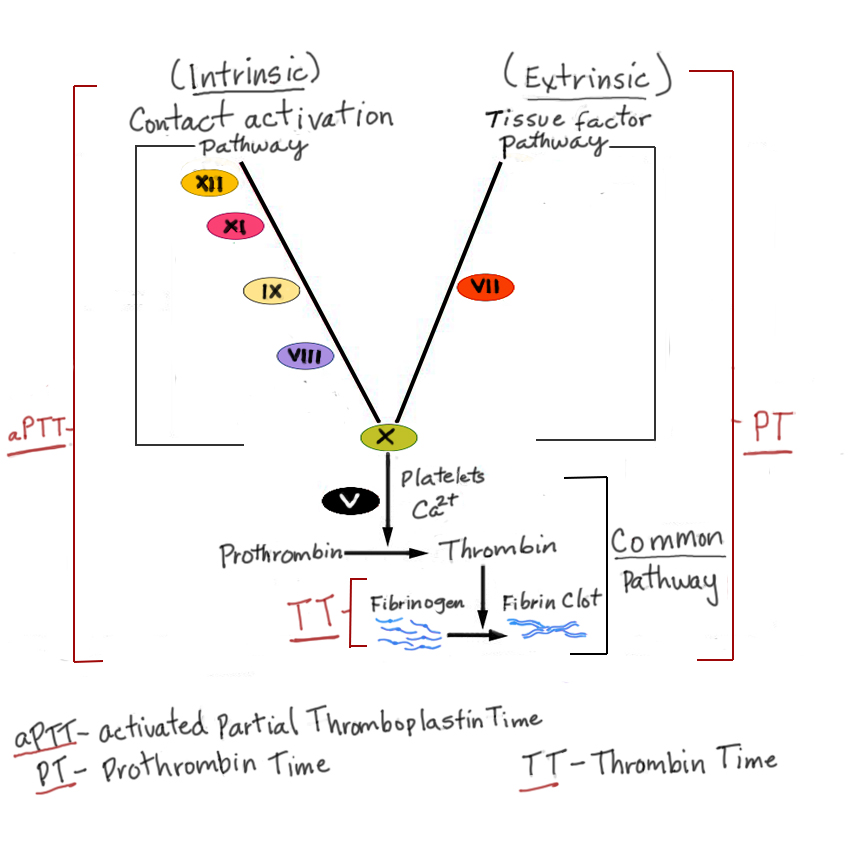
Normal INR is below 1.1 in a patient not on anticoagulation. On warfarin, the standard target is 2.0–3.0 for atrial fibrillation and DVT, and 2.5–3.5 for mechanical heart valves. Any INR above 5 warrants urgent review; above 8 usually requires vitamin K reversal to reduce bleeding risk.
The prothrombin time (PT) measures the extrinsic clotting pathway; the INR standardises PT across labs by adjusting for reagent variability. Off warfarin, INR should be below 1.1. On warfarin, target INR is disease-specific: 2.0–3.0 for AF, DVT, PE; 2.5–3.5 for mechanical valves; 1.5–2.5 for some low-risk indications. High INR = increased bleeding risk; low INR = increased clotting risk. Causes of unexpectedly high INR include liver disease, vitamin K deficiency, warfarin dose increase, drug interactions (amiodarone, some antibiotics), alcohol binge, and consuming vitamin K–deficient food patterns. High INR without warfarin points to liver failure, DIC, or vitamin K deficiency.
- Normal INR (no warfarin)
- < 1.1
- AF / DVT / PE target
- 2.0 – 3.0
- Mechanical valve target
- 2.5 – 3.5
- INR ≥ 5
- Urgent review; hold warfarin
- INR ≥ 8 or bleeding
- Vitamin K reversal, possible PCC
What PT and INR actually measure
Prothrombin time is the seconds required for a blood sample to clot after activation of the extrinsic coagulation pathway. It reflects the activity of coagulation factors II, V, VII, X and fibrinogen — the factors most vitamin-K dependent (II, VII, IX, X) are the main ones influenced by warfarin.
Different labs use different thromboplastin reagents, giving different PT values on the same blood. The International Normalised Ratio (INR) was developed by WHO to standardise this: each reagent has an assigned International Sensitivity Index (ISI), and INR = (patient PT / control PT) raised to the ISI. The same patient sample yields the same INR everywhere in the world.
INR target ranges
| Clinical scenario | INR target |
|---|---|
| Atrial fibrillation | 2.0 – 3.0 |
| DVT / PE treatment | 2.0 – 3.0 |
| Recurrent VTE despite therapeutic INR | 2.5 – 3.5 |
| Mechanical mitral valve | 2.5 – 3.5 |
| Mechanical aortic valve (bileaflet, sinus rhythm) | 2.0 – 3.0 |
| Antiphospholipid syndrome (triple-positive) | 3.0 – 4.0 |
| Not on anticoagulation | < 1.1 |
Causes of unexpected INR changes
High INR: dose increase, drug interactions (amiodarone, metronidazole, ciprofloxacin, sulfamethoxazole-trimethoprim, azoles), acute alcohol binge, liver injury, gastroenteritis with reduced oral intake, cranberry juice in large amounts, weight loss, thyroid function change (hyperthyroidism raises INR sensitivity).
Low INR: increased vitamin K intake (green leafy vegetables, kale, spinach — patients often become paranoid about them but the goal is consistency, not avoidance), missed doses, drug interactions (rifampicin, carbamazepine, St John's wort), initiation of hormonal contraception or hormone replacement.
What to do at a high INR
INR 3.0–5.0 without bleeding: reduce next warfarin dose by 10–20%, recheck in 1 week. INR 5.0–9.0 without bleeding: hold warfarin, recheck in 24–48 hours, resume at lower dose when < 5.0. INR > 9.0 without bleeding: hold warfarin, give 2.5–5 mg oral vitamin K, recheck in 24 hours. Any INR with clinically significant bleeding: intravenous vitamin K + prothrombin complex concentrate (PCC) as the fastest reversal.
Do NOT give large IV vitamin K doses (> 10 mg) unless the anticoagulation is being permanently reversed — it can cause days of warfarin resistance.
- INR > 8 or any INR > 5 with new bleeding.
- Any signs of bleeding — melaena, haematemesis, haematuria, bruising without trauma.
- INR persistently > 1.5 without warfarin — investigate liver disease, vitamin K deficiency, DIC.
- INR > 3 on warfarin with a fall or head injury — brain haemorrhage risk.
- Recurrent large swings in INR — review drug/food interactions, adherence.
Managing an INR result
- 1On warfarin, INR within target?Continue current dose, recheck in 4–8 weeks (stable patients).
- 2On warfarin, INR 3.0–5.0, no bleeding?Reduce next dose by 10–20%, recheck in 1 week.
- 3On warfarin, INR 5.0–9.0, no bleeding?Hold warfarin, recheck in 24–48 hours, resume at a lower dose.
- 4On warfarin, INR > 9.0 or any INR with bleeding?Hold warfarin, oral or IV vitamin K, PCC for major bleeding; urgent hospital assessment.
- 5Not on warfarin but INR raised?Investigate for liver disease (ALT, albumin), vitamin K deficiency (malabsorption, biliary obstruction, prolonged antibiotics), DIC (fibrinogen, D-dimer, platelets).
Related questions people ask
- What causes a high INR?
- Which antibiotics increase warfarin effect?
- Do I need to avoid green vegetables on warfarin?
- How is INR different from PT?
- Why is INR high in liver disease?
- What is prothrombin complex concentrate?
- How often should INR be checked?
Frequently asked questions
- Normal INR is < 1.1; warfarin targets are disease-specific.
- INR > 5 = urgent review; > 8 = vitamin K reversal.
- Any INR + bleeding = emergency.
- Antibiotics, amiodarone, alcohol binge, and liver injury are the top INR destabilisers.
- On warfarin, consistency of vitamin K intake matters, not avoidance.
- DOACs are not monitored by INR.
References
3 sources- CHESTAntithrombotic Therapy for VTE Disease
US CHEST anticoagulation guideline.
journal.chestnet.org
- ESCGuidelines on Atrial Fibrillation
European AF anticoagulation targets.
academic.oup.com
- NICE NG158Venous thromboembolic diseases
UK VTE and anticoagulation guidance.
nice.org.uk
Related articles
 Laboratory Tests
TSH Test: Normal Range, High, Low & What Your Result Actually Means
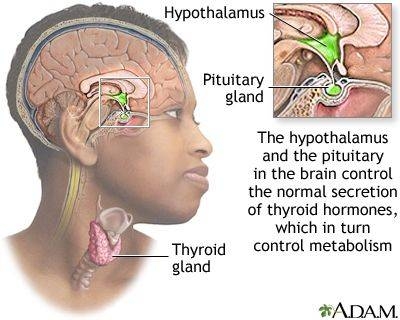
TSH is the single most important thyroid number. Understand normal ranges by age and pregnancy, what a high or low value really tells you, and the two follow-up tests that clinch the diagnosis.
 Laboratory Tests
HbA1c Test: Normal Range, Prediabetic, Diabetic Cut-offs & How to Lower It
HbA1c reflects your average blood sugar over ~3 months. Understand every threshold — normal, prediabetes, diabetes — and the realistic actions that move the number.
 Laboratory Tests
LDL Cholesterol: Optimal Numbers, High Numbers, and How to Read Yours
LDL is the "bad" cholesterol only if you leave the story there. Understand optimal targets by risk group, the ApoB perspective, and the interventions that actually shift the number.