Naps: Strategic, Not Lazy
A 20-minute nap before 3pm is one of the most under-rated performance interventions in the literature.
The 20-minute sweet spot
Stay under 25 minutes and you wake from light sleep — alert and refreshed. Crash through to 45+ minutes and you wake from deep sleep, groggy for an hour. NASA pegged the optimal alertness nap at 26 minutes; most aviation studies land between 15 and 30.
When
Between roughly 1pm and 3pm, aligned with the natural post-lunch dip in alertness. Later than 4pm and you risk eating into night-sleep pressure.
The coffee-nap trick
Drink an espresso, then immediately lie down. Caffeine takes ~20 minutes to peak — exactly when you wake up. The combination consistently beats either intervention on its own in alertness studies.
Related articles
 Sleep
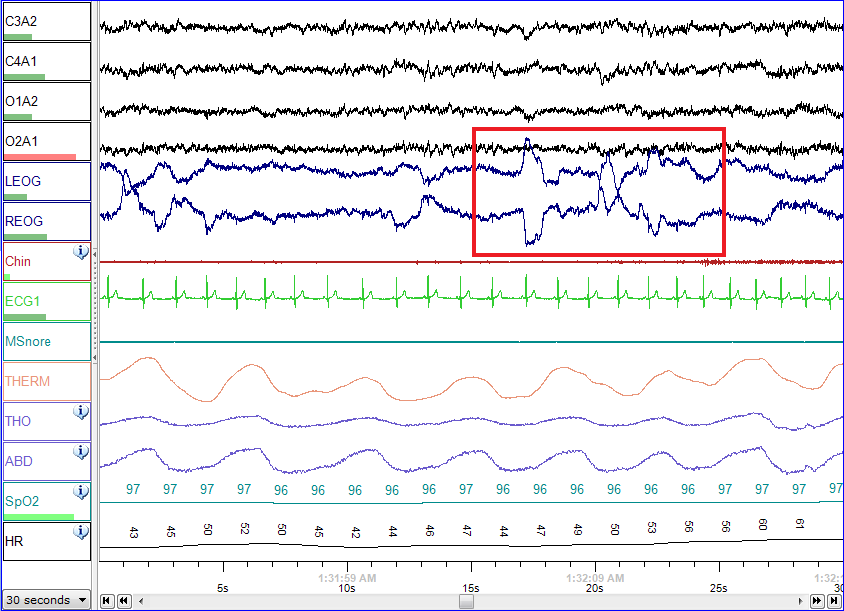
SleepSleep Architecture: Designing Better Nights
Cycles, stages and the small daily rituals that compound into deep, restorative rest.
 Sleep
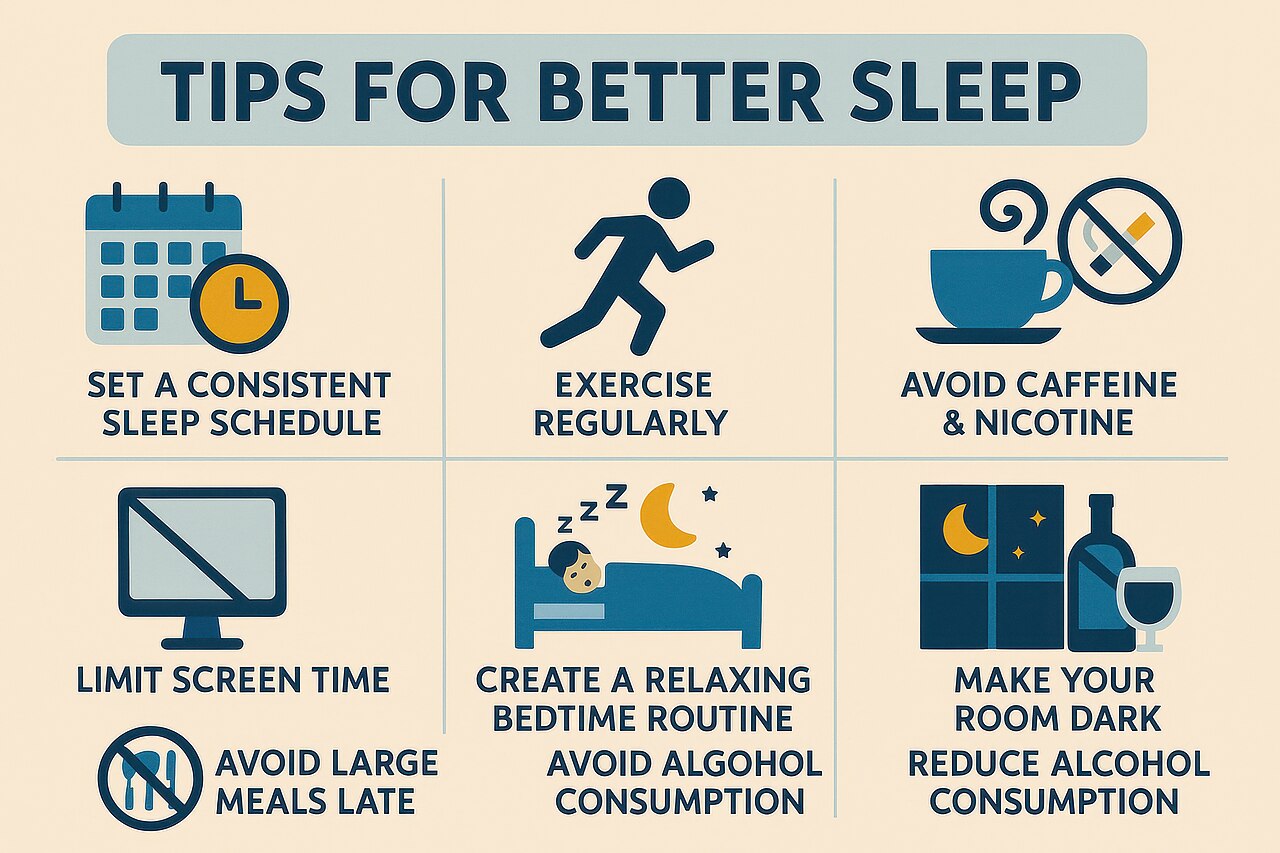
SleepSleep Hygiene That Is Actually Evidence-Based
Half the sleep advice online is folklore. Here are the seven interventions with the strongest research behind them.
 Lab Interpretation
Vitamin D Deficiency: When Low Numbers Actually Matter
A "low" vitamin D result is not always a real deficiency, and not every low result needs treatment. Here is how clinicians actually decide.