Sleep Hygiene That Is Actually Evidence-Based
Half the sleep advice online is folklore. Here are the seven interventions with the strongest research behind them.
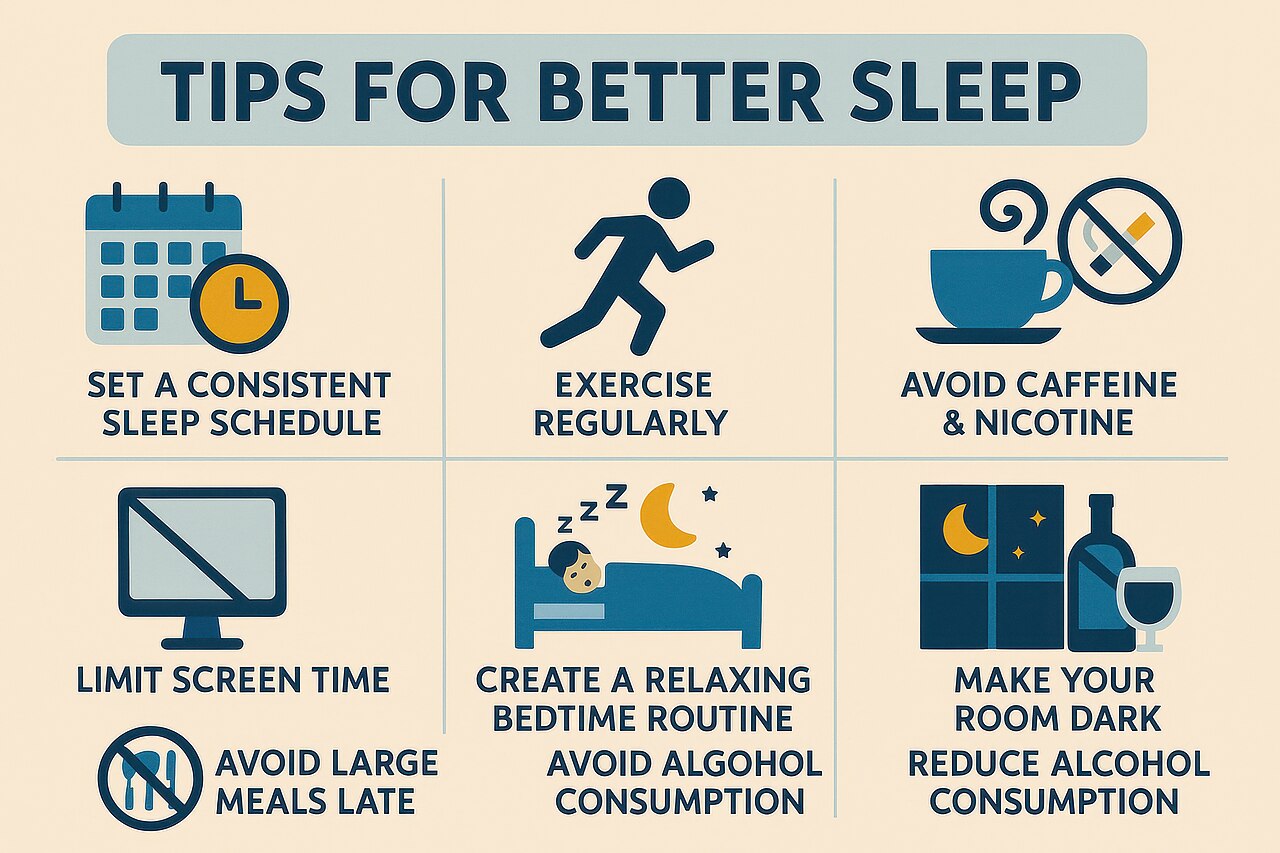
The seven that actually work
Consistent wake time (yes, weekends too). 10–30 minutes of bright outdoor light within an hour of waking. Caffeine cutoff 8–10 hours before bed. Cool bedroom (16–19 °C). Dark bedroom (blackout curtains or eye mask). No alcohol within 3 hours of bed. A wind-down ritual that signals "we are done now" to your nervous system.
The myths to drop
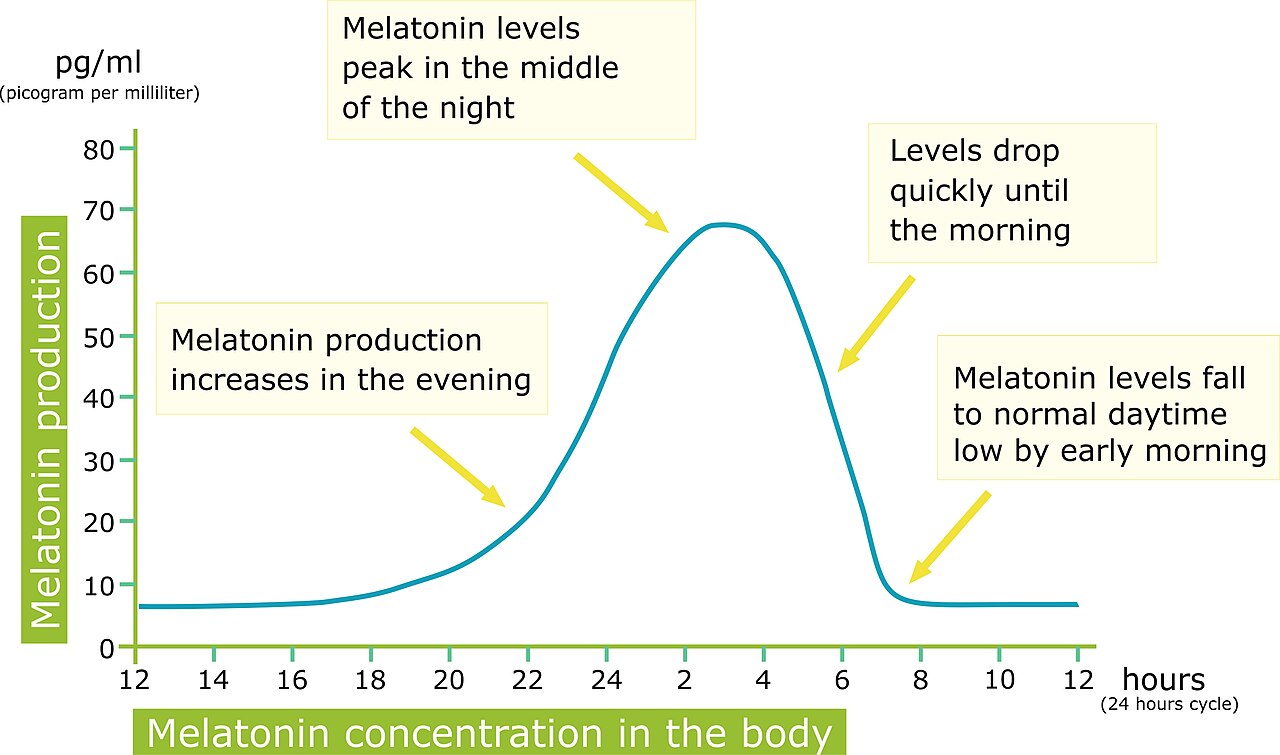
Magnesium does not fix bad sleep architecture. Melatonin is for jet-lag and shifting your clock, not for nightly use. "Sleep apps" that score you nightly often cause more anxiety than they save. Recovery scores from wearables are interesting, not authoritative.
When sleep hygiene is not enough
If you regularly take longer than 30 minutes to fall asleep, wake for more than 30 minutes during the night, or feel exhausted despite 8 hours in bed, see a clinician. CBT-I (cognitive behavioural therapy for insomnia) outperforms every sleep aid on the market in randomised trials — and a sleep study can rule out apnoea, which is missed in roughly 80% of people who have it.
Related articles
 Sleep
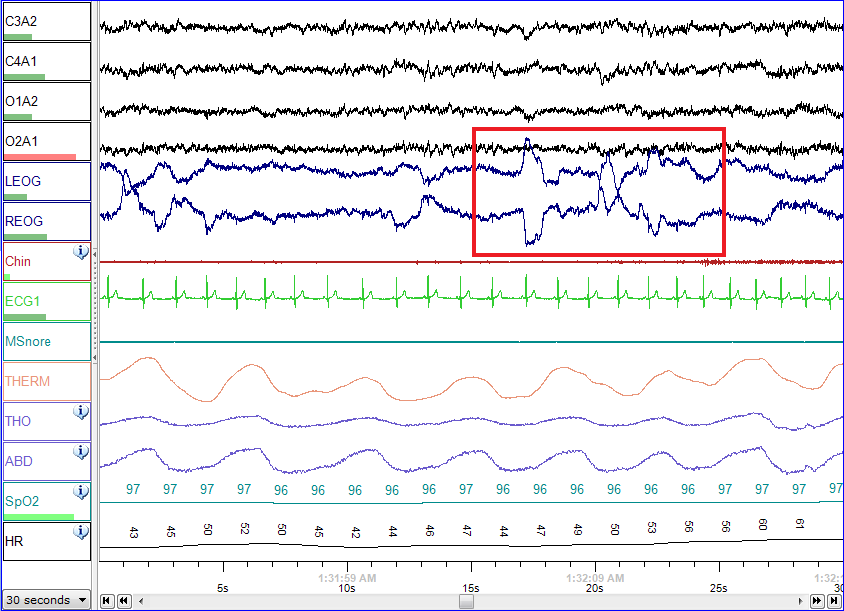
SleepSleep Architecture: Designing Better Nights
Cycles, stages and the small daily rituals that compound into deep, restorative rest.
 Sleep
SleepNaps: Strategic, Not Lazy
A 20-minute nap before 3pm is one of the most under-rated performance interventions in the literature.
 Lab Interpretation
Vitamin D Deficiency: When Low Numbers Actually Matter
A "low" vitamin D result is not always a real deficiency, and not every low result needs treatment. Here is how clinicians actually decide.