Sleep Architecture: Designing Better Nights
Cycles, stages and the small daily rituals that compound into deep, restorative rest.
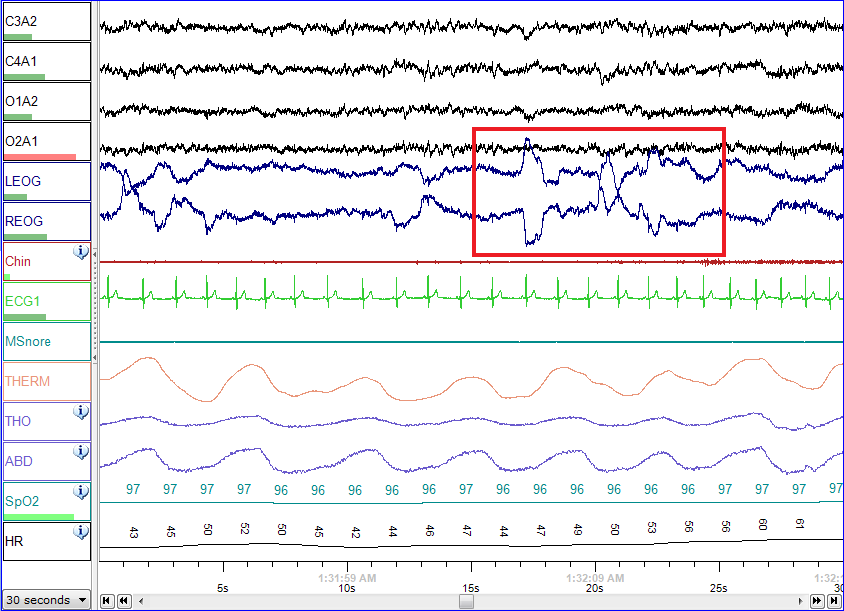
The 90-minute cycle
Sleep is not a single state. It comes in roughly 90-minute cycles, each containing light, deep, and REM stages in shifting proportions. Early cycles are deep-sleep heavy; later cycles are REM heavy. Both matter, for different reasons.
Wake at the end of a cycle, not the middle
Most adults need 5–6 cycles (7.5–9 hours). Waking at the end of a cycle feels effortless; waking mid-cycle feels brutal. Backcounting from your alarm in 90-minute steps is more useful than aiming at a fixed total.
Compound rituals
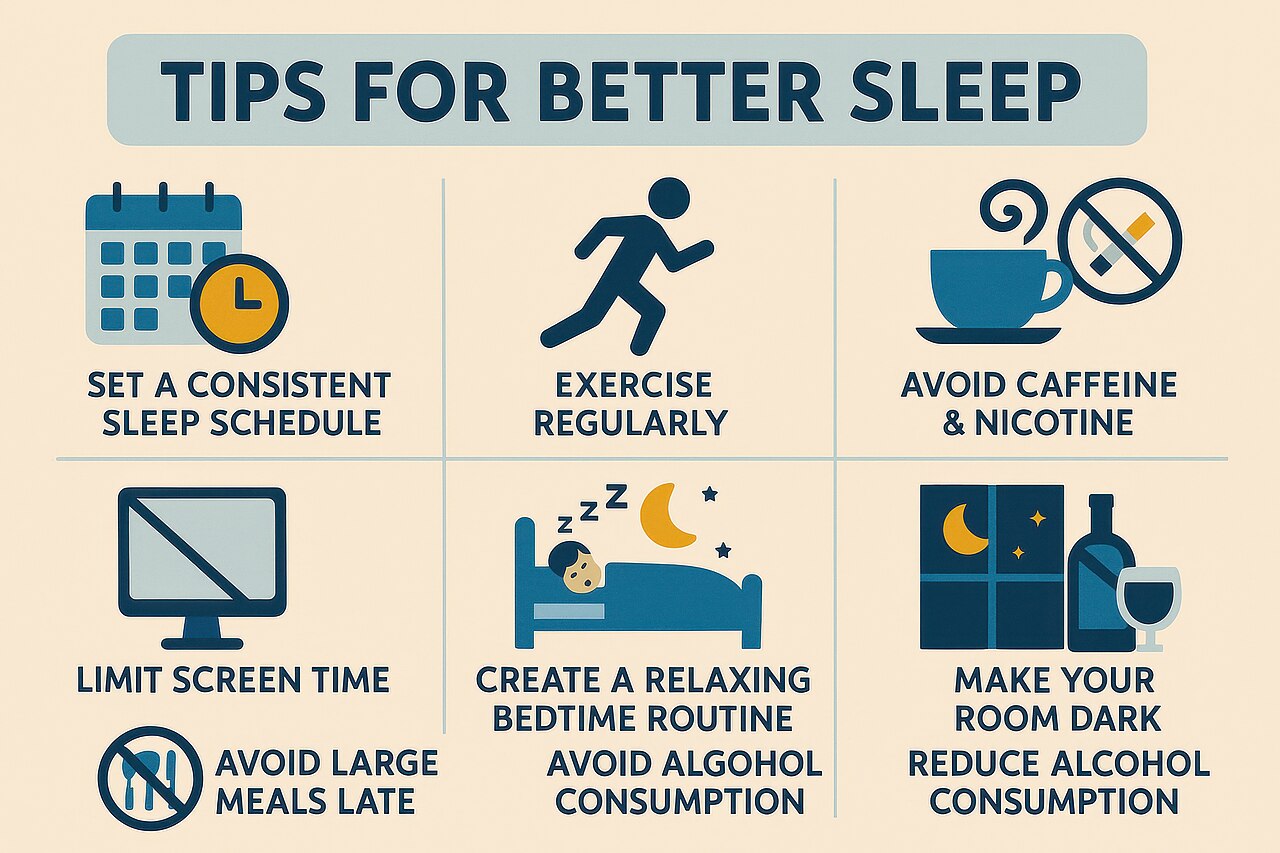
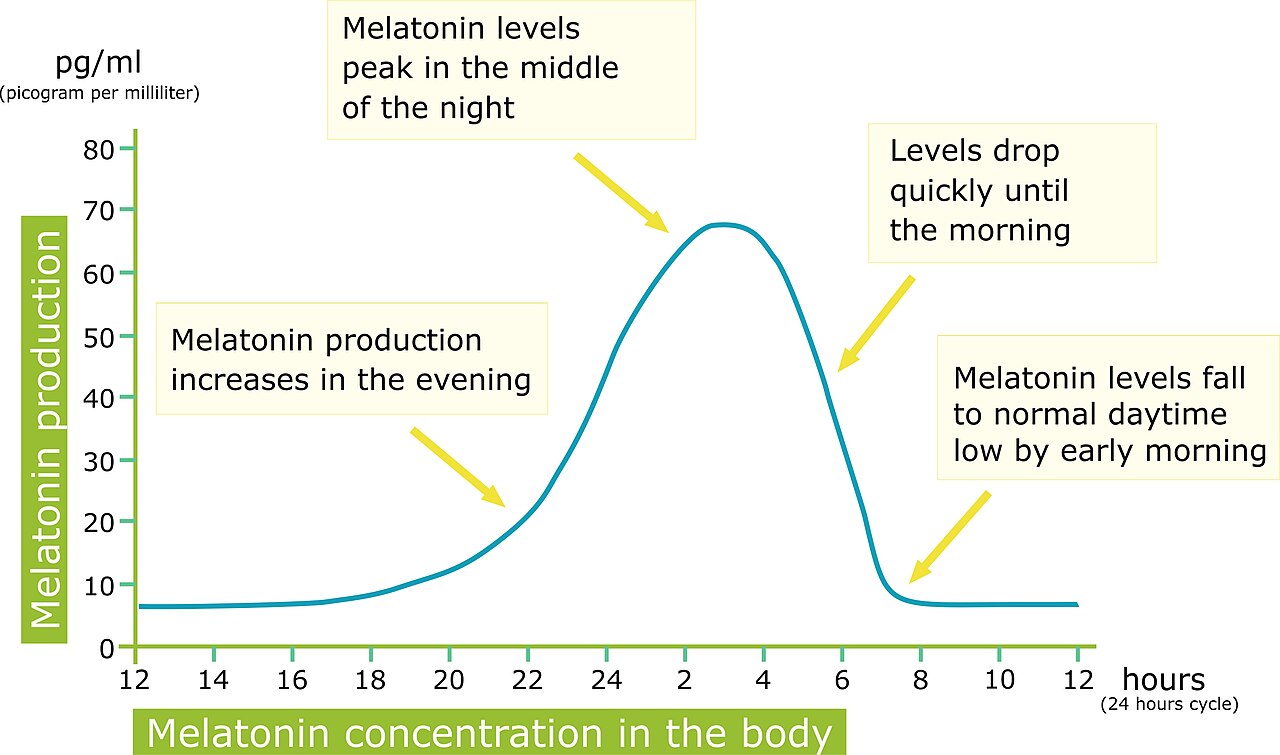
Morning sunlight within 30 minutes of waking sets the circadian clock. A cool, dark room compresses time-to-sleep. Caffeine cut-off 8–10 hours before bed. Same wake time, weekends included, for at least two weeks before judging your sleep.
Related articles
 Sleep
SleepSleep Hygiene That Is Actually Evidence-Based
Half the sleep advice online is folklore. Here are the seven interventions with the strongest research behind them.
 Sleep
SleepNaps: Strategic, Not Lazy
A 20-minute nap before 3pm is one of the most under-rated performance interventions in the literature.
 Lab Interpretation
Vitamin D Deficiency: When Low Numbers Actually Matter
A "low" vitamin D result is not always a real deficiency, and not every low result needs treatment. Here is how clinicians actually decide.