Total Testosterone: How to Read the Male Hormone Blood Test
Testosterone varies more with time of day, illness and sleep than most men realise. Learn the right way to test, the diagnostic threshold for hypogonadism, and what a single low reading really means.
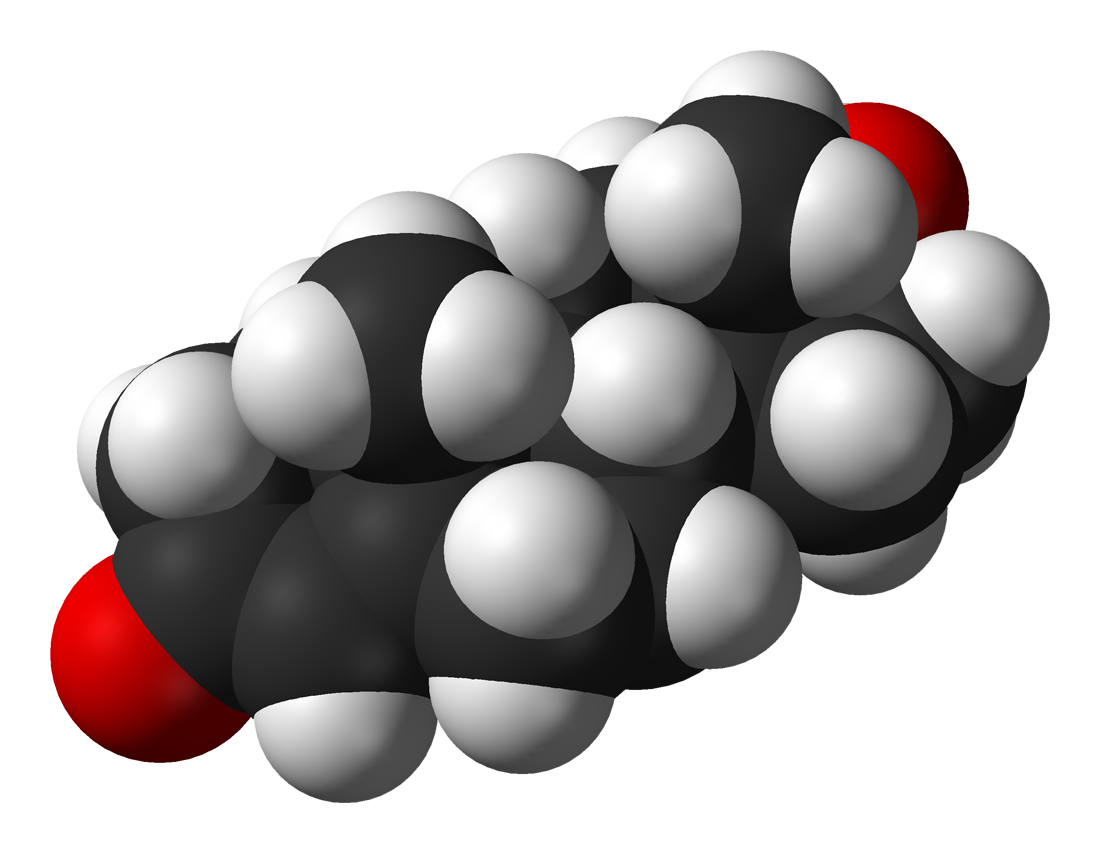
A normal adult male total testosterone sits roughly between 300 and 1000 ng/dL (10–35 nmol/L). Diagnosis of hypogonadism requires TWO morning fasting samples < 300 ng/dL PLUS specific symptoms. A single low value is not a diagnosis. Testosterone falls sharply during acute illness, obesity, poor sleep and opioid use — treat those first before labelling low.
Testosterone shows a diurnal peak between 6 and 10 AM, then falls by ~15–30% through the day. Guidelines (Endocrine Society, EAU, AUA) require fasting morning samples on TWO separate days for diagnosis of hypogonadism, with total testosterone < 264–300 ng/dL and consistent symptoms (low libido, erectile dysfunction, low mood, loss of morning erections, reduced muscle mass). Confounders that suppress testosterone: opioids (chronic), obesity, poorly controlled diabetes, acute illness, sleep apnoea, prolactinoma, iron overload. Ordering panel: total testosterone, SHBG (to calculate free), LH, FSH, prolactin, TSH.
- Normal range (adult male)
- 300 – 1000 ng/dL (10–35 nmol/L)
- Hypogonadism threshold
- < 300 ng/dL
- Time of day
- Morning (6–10 AM) is standard
- Confirmation rule
- Two low samples on separate days
- Order alongside
- SHBG, LH, FSH, prolactin, TSH
Why sample timing matters more than any other factor
Testosterone peaks in the early morning and falls through the day — afternoon values are typically 15–30% lower. Recent illness, poor sleep, alcohol, food, and even a bad night can drop testosterone by 20–40% transiently. This is why every guideline specifies fasting morning samples on TWO separate days before making the diagnosis.
Age matters: total testosterone declines roughly 1–2% per year from age 30. Age-adjusted "normal" is a debated concept — most guidelines still use 300 ng/dL as the treatment threshold regardless of age.
Testosterone categories in adult men
| Total testosterone | Category | What to do |
|---|---|---|
| > 500 ng/dL | Robustly normal | None |
| 300 – 500 | Low-normal | Optimise sleep, weight, exercise; retest if symptomatic |
| < 300 | Low | Repeat on separate morning; workup and treat if confirmed |
| > 1000 | Elevated | Check for exogenous use, anabolic steroid use, adrenal tumours |
What causes low testosterone beyond ageing
Reversible causes: obesity (adipose tissue converts testosterone to oestrogen via aromatase — losing weight can restore testosterone), sleep apnoea (fragmented sleep suppresses the hypothalamic-pituitary-gonadal axis), chronic opioid therapy (opioids inhibit GnRH), heavy alcohol use, uncontrolled diabetes, high-dose corticosteroids.
Structural / hormonal causes: primary hypogonadism (testicular failure — Klinefelter, mumps orchitis, chemotherapy) shows LOW testosterone + HIGH LH/FSH; secondary hypogonadism (pituitary or hypothalamic) shows LOW testosterone + LOW/NORMAL LH/FSH — investigate for prolactinoma, haemochromatosis, and pituitary disease.
When testosterone replacement is (and is not) indicated
Endocrine Society, EAU, and AUA agree: two morning fasting testosterone values < 300 ng/dL (or the lab lower reference) PLUS consistent symptoms is required before treatment. Contra-indications: prostate cancer, PSA > 4 ng/mL untested, breast cancer, uncontrolled heart failure, severe untreated sleep apnoea, haematocrit > 54%, desire for fertility in the next 12–24 months.
Monitoring on therapy: PSA, haematocrit, testosterone level, and symptom score at 3–6 months and annually. Rising PSA or haematocrit > 54% warrants dose reduction or stopping.
- Testosterone < 150 ng/dL — screen for pituitary disease (prolactin, MRI pituitary).
- Low testosterone + galactorrhoea or visual field defect — prolactinoma workup.
- Low testosterone + haemochromatosis features (bronze skin, joint pain, diabetes) — iron studies.
- Rapid drop in previously normal testosterone — exclude opioid initiation, glucocorticoid course, acute illness.
Interpreting a low testosterone
- 1First-ever low testosterone, no repeat?Repeat on a separate morning fasting sample. A single value is never a diagnosis.
- 2Two confirmed low values + symptoms?Order LH, FSH, SHBG, prolactin, TSH. Primary vs secondary hypogonadism direction of the workup.
- 3Low T + high LH/FSH?Primary (testicular). Screen for cause (Klinefelter karyotype, chemotherapy history, orchitis).
- 4Low T + low/normal LH/FSH?Secondary (pituitary/hypothalamic). Prolactin, iron studies, MRI pituitary if warranted.
- 5Low T but obesity/opioids/sleep apnoea?Treat those first — many men normalise on weight loss, CPAP, or opioid reduction.
Related questions people ask
- What is normal testosterone by age?
- What symptoms suggest low testosterone?
- What is free testosterone?
- Does obesity lower testosterone?
- Do opioids reduce testosterone?
- How does testosterone relate to CBC (haematocrit)?
- Does high TSH affect testosterone?
Frequently asked questions
- Testosterone must be tested fasting in the morning on TWO occasions before diagnosis.
- Threshold for hypogonadism: < 300 ng/dL + consistent symptoms.
- Obesity, opioids, sleep apnoea and acute illness suppress testosterone — reversible.
- Order LH/FSH to separate primary vs secondary hypogonadism.
- Monitor PSA and haematocrit on replacement therapy.
- Testosterone therapy suppresses fertility.
References
3 sources- Endocrine SocietyTestosterone Therapy in Men with Hypogonadism
Endocrine Society clinical practice guideline.
academic.oup.com
- EAUMale Hypogonadism Guidelines
European urology society guideline.
uroweb.org
- AUAEvaluation and Management of Testosterone Deficiency
US urology society guidance.
auanet.org
Evidence Snapshot
This snapshot shows verified evidence records matched to this article. It is not a diagnosis or personal medical advice.
For evaluation of suspected male hypogonadism, guidelines recommend measuring total testosterone on a morning fasting sample because testosterone shows a diurnal pattern with higher morning values and can be lowered by recent food intake.
Limitation. The diurnal pattern is less pronounced in older men, and reference ranges vary between assay platforms.
Sex hormone-binding globulin (SHBG) is a liver-produced protein that binds testosterone and, to a lesser extent, oestradiol in blood, so changes in SHBG concentration alter the free (unbound) fraction available to tissues.
Limitation. Different laboratory methods for free or bioavailable testosterone give different results, so cross-lab comparisons are not straightforward.
Related articles
 Laboratory Tests
TSH Test: Normal Range, High, Low & What Your Result Actually Means
TSH is the single most important thyroid number. Understand normal ranges by age and pregnancy, what a high or low value really tells you, and the two follow-up tests that clinch the diagnosis.
 Laboratory Tests
HbA1c Test: Normal Range, Prediabetic, Diabetic Cut-offs & How to Lower It
HbA1c reflects your average blood sugar over ~3 months. Understand every threshold — normal, prediabetes, diabetes — and the realistic actions that move the number.
 Laboratory Tests
LDL Cholesterol: Optimal Numbers, High Numbers, and How to Read Yours
LDL is the "bad" cholesterol only if you leave the story there. Understand optimal targets by risk group, the ApoB perspective, and the interventions that actually shift the number.