Triglycerides Blood Test: Normal, Borderline, High and Very High Explained
Triglycerides above 500 mg/dL are a pancreatitis risk; between 150 and 500 they signal metabolic dysfunction. Understand the fasting rules, the diet levers, and when medication is worth the discussion.
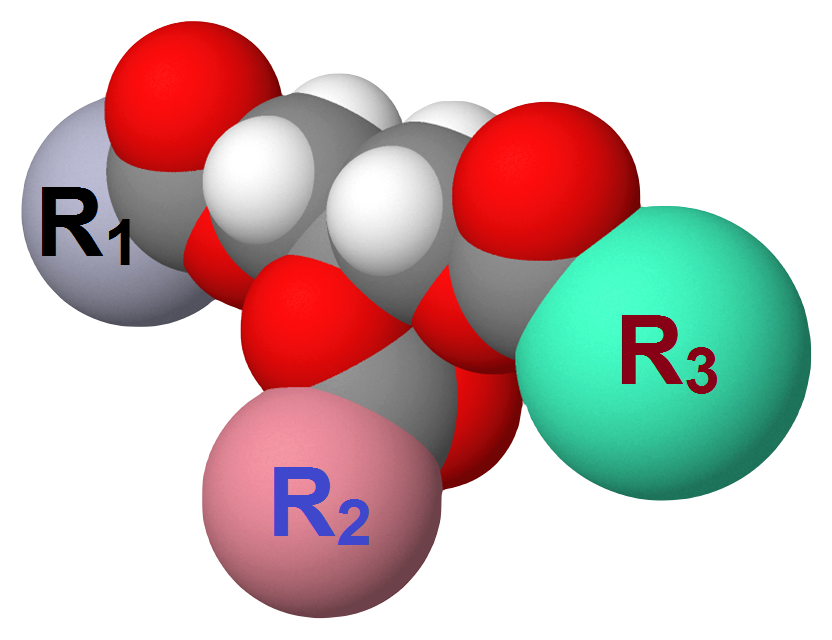
Fasting triglycerides below 150 mg/dL (1.7 mmol/L) are normal, 150–199 borderline, 200–499 high, and 500 or above very high (with real pancreatitis risk beyond 1000). Non-fasting samples are acceptable for routine screening but only fasting samples should be used to interpret very high values.
Triglycerides are the primary storage form of dietary and hepatic fat, carried by VLDL and chylomicrons. Fasting thresholds: normal < 150 mg/dL, borderline 150–199, high 200–499, very high ≥ 500. Above 500 the risk of acute pancreatitis rises steeply — above 1000, prophylactic drug therapy (fibrates, omega-3, insulin) is standard. Non-fasting triglycerides up to 175 mg/dL are considered normal; above that, repeat fasting. Alcohol, insulin resistance, refined carbohydrates, weight gain, glucocorticoids, retinoids and oestrogens all raise them. Effective treatments: low-carb / low-alcohol / weight-loss (10–50% reduction), high-dose EPA (icosapent ethyl, 20–30%), fibrates in refractory cases.
- Normal (fasting)
- < 150 mg/dL (< 1.7 mmol/L)
- Borderline high
- 150 – 199 mg/dL
- High
- 200 – 499 mg/dL
- Very high (pancreatitis risk)
- ≥ 500 mg/dL
- Fasting required
- For accurate result — yes
What triglycerides actually measure
Triglycerides are three fatty acids attached to a glycerol backbone — the main storage and transport form of fat. After a meal, dietary fat is packaged into chylomicrons; between meals, the liver assembles VLDL to transport internal fat stores. A fasting triglyceride reading captures the "resting" concentration; a non-fasting reading captures the post-meal peak, which is why fasting is the standard for interpretation of high values.
Very high triglycerides matter for two distinct reasons. First, they are a marker of metabolic dysfunction: insulin resistance, obesity, uncontrolled diabetes, alcohol, refined-carbohydrate diets. Second, at extreme levels (> 500 mg/dL, and especially > 1000), they physically clog the pancreatic microcirculation and precipitate acute pancreatitis.
Triglyceride categories
| Triglycerides (mg/dL) | Category | Clinical action |
|---|---|---|
| < 150 | Normal | Reassure; continue screening interval |
| 150 – 199 | Borderline high | Lifestyle — diet quality, weight, alcohol, sleep |
| 200 – 499 | High | Intensive lifestyle + statin if indicated + consider high-dose EPA |
| 500 – 999 | Very high | Drug therapy (fibrate + omega-3) + low-fat diet; pancreatitis risk |
| ≥ 1000 | Chylomicronaemia | Urgent low-fat diet; drug therapy; hospital admission if pancreatitis |
What pushes triglycerides up
Refined carbohydrates and added sugars are the single biggest dietary driver — the liver converts excess carbs into fatty acids and packages them into VLDL. Alcohol comes second: even moderate intake raises triglycerides sharply because the liver preferentially processes alcohol and shunts fatty acid metabolism to storage. Obesity and insulin resistance follow (they impair the lipoprotein lipase enzyme that clears triglycerides). Uncontrolled type 2 diabetes, poorly controlled hypothyroidism, chronic kidney disease and nephrotic syndrome all raise them significantly.
Common drug culprits: glucocorticoids, oestrogen (oral is worse than transdermal), retinoids (isotretinoin), tamoxifen, some antipsychotics (olanzapine, clozapine), and antiretrovirals (protease inhibitors).
How to lower triglycerides fast
For dietary levers: cutting refined carbohydrates and added sugars typically lowers triglycerides by 20–50% within 6 weeks — a bigger and faster effect than any lipid-lowering drug. Alcohol reduction contributes another 10–30% depending on baseline intake. Weight loss of 5% typically drops triglycerides by 20%. A Mediterranean pattern rich in fatty fish or 2 g/day of marine omega-3 further reduces them 10–20%.
For medication: high-dose icosapent ethyl (EPA 4 g/day) reduces triglycerides 15–30% and reduced cardiovascular events in the REDUCE-IT trial. Fibrates (fenofibrate, gemfibrozil) drop triglycerides 30–50% and are used for severe hypertriglyceridaemia and pancreatitis prevention above 500 mg/dL. Statins reduce triglycerides 10–30% as a bonus effect.
- ≥ 1000 mg/dL — acute pancreatitis risk regardless of symptoms.
- ≥ 500 mg/dL with abdominal pain, nausea, or vomiting — assess for pancreatitis.
- Very high with recent starting of oral oestrogen, isotretinoin, or high-dose steroid.
- Very high with uncontrolled diabetes or new-onset polyuria/polydipsia.
Triglyceride action pathway
- 1Fasting triglycerides 200–499?Diet (low refined carb, low alcohol), weight loss, treat diabetes if present. Consider icosapent ethyl if cardiovascular risk is elevated despite optimal LDL control.
- 2Fasting triglycerides 500–999?Reduce fat AND carbs, eliminate alcohol, start fibrate + omega-3, screen for secondary causes (thyroid, diabetes, drugs).
- 3Fasting triglycerides ≥ 1000?Urgent low-fat diet (< 15% calories), fibrate, omega-3, insulin if diabetic ketoacidosis. Consider hospital admission if pancreatitis suspected.
- 4Non-fasting > 200 mg/dL?Repeat fasting — non-fasting can be misleading at higher levels.
Related questions people ask
- Do I need to fast for triglycerides?
- What triglyceride level causes pancreatitis?
- How does alcohol raise triglycerides?
- What is the difference between triglycerides and cholesterol?
- Are non-fasting triglycerides accurate?
- Do statins lower triglycerides?
- How do triglycerides relate to metabolic syndrome?
Frequently asked questions
- Normal < 150, borderline 150–199, high 200–499, very high ≥ 500 mg/dL.
- Above 500 mg/dL raises acute pancreatitis risk.
- Refined carbohydrates and alcohol are the biggest lifestyle drivers.
- Cutting them can drop triglycerides 20–50% within 6 weeks.
- Icosapent ethyl (pure EPA 4 g/day) reduces both triglycerides and cardiovascular events.
- Fasting is required for accurate high-value interpretation.
References
3 sources- AHA/ACCCholesterol Management Guidelines
US cholesterol guideline including triglycerides.
ahajournals.org
- ESC/EAS2019 Dyslipidaemia Guidelines
European lipid targets.
academic.oup.com
- NIH ODSOmega-3 Fatty Acids Fact Sheet
Evidence review of marine omega-3.
ods.od.nih.gov
Related articles
 Laboratory Tests
TSH Test: Normal Range, High, Low & What Your Result Actually Means
TSH is the single most important thyroid number. Understand normal ranges by age and pregnancy, what a high or low value really tells you, and the two follow-up tests that clinch the diagnosis.
 Laboratory Tests
HbA1c Test: Normal Range, Prediabetic, Diabetic Cut-offs & How to Lower It
HbA1c reflects your average blood sugar over ~3 months. Understand every threshold — normal, prediabetes, diabetes — and the realistic actions that move the number.
 Laboratory Tests
LDL Cholesterol: Optimal Numbers, High Numbers, and How to Read Yours
LDL is the "bad" cholesterol only if you leave the story there. Understand optimal targets by risk group, the ApoB perspective, and the interventions that actually shift the number.