Fasting Blood Sugar: Normal, Prediabetic and Diabetic Ranges Explained
A single fasting glucose can flip your health trajectory. Learn the exact ADA thresholds, what pushes the number, and when a fasting glucose beats HbA1c.
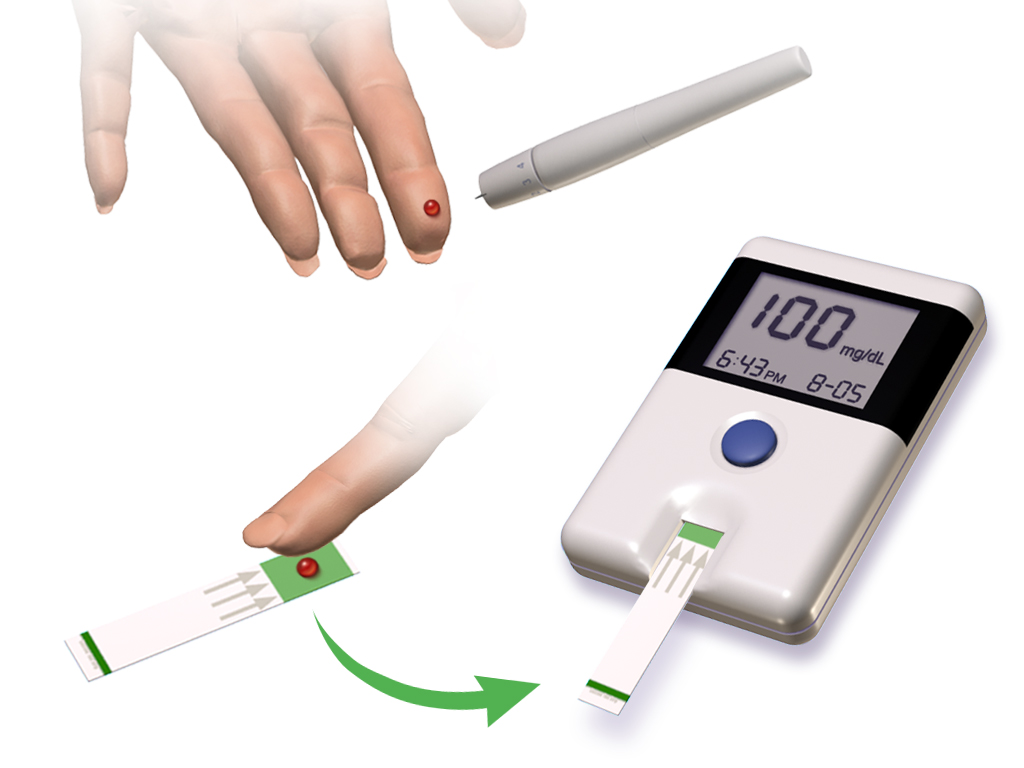
A fasting plasma glucose below 100 mg/dL (5.6 mmol/L) is normal, 100–125 mg/dL (5.6–6.9 mmol/L) is prediabetes (impaired fasting glucose), and 126 mg/dL (7.0 mmol/L) or above — confirmed on a repeat sample — meets the diagnostic threshold for diabetes. "Fasting" means at least 8 hours of no calories, though water is fine.
Fasting plasma glucose captures a single overnight snapshot of glucose homeostasis. ADA and WHO thresholds are identical: < 100 mg/dL normal, 100–125 impaired fasting glucose (IFG), ≥ 126 diabetes when confirmed on a repeat sample or with concurrent symptoms. Fasting glucose is quick, cheap, and interpretable — but it can miss diabetes that only appears after meals; combining fasting glucose with HbA1c or, in ambiguous cases, an oral glucose tolerance test (OGTT) gives the fullest picture. Stress, glucocorticoids, illness, and pregnancy all move the number.
- Normal
- < 100 mg/dL (< 5.6 mmol/L)
- Prediabetes (IFG)
- 100–125 mg/dL (5.6–6.9 mmol/L)
- Diabetes threshold
- ≥ 126 mg/dL (≥ 7.0 mmol/L)
- Fasting definition
- ≥ 8 hours of no calories (water OK)
- Confirm with
- Second abnormal test OR classical symptoms
Why a single fasting number can lie
Blood glucose swings during the night and morning by 10–20 mg/dL depending on the timing of last meal, sleep quality, stress hormones (dawn phenomenon), and physical activity in the preceding day. A single 128 mg/dL reading is not diabetes — it is a signal that a second confirmatory test is needed. National guidelines specifically require either two abnormal tests (any combination of HbA1c ≥ 6.5%, fasting glucose ≥ 126, or 2-hour OGTT ≥ 200) OR one abnormal test plus classical hyperglycaemia symptoms before diabetes is diagnosed.
This "two-hit" rule protects patients from lifelong labels applied on the back of a single stressful morning or a cortisone injection three days earlier.
Fasting glucose thresholds (ADA and WHO)
| Reading | Category | What to do next |
|---|---|---|
| < 100 mg/dL | Normal | Screen every 3 years from age 35 (or younger if risk factors) |
| 100–110 mg/dL | Prediabetes — early IFG | Lifestyle change; repeat in 6–12 months |
| 111–125 mg/dL | Prediabetes — established IFG | Lifestyle + consider metformin if BMI ≥ 35, age < 60, gestational diabetes history |
| 126–140 mg/dL | Diabetes — mild | Confirm on second test; start metformin + lifestyle |
| 141–200 mg/dL | Diabetes — moderate | Combination therapy usually needed; assess complications |
| > 200 mg/dL | Diabetes — marked | Assess for symptoms and ketones; urgent primary-care review |
What pushes a fasting glucose
The overnight glucose depends on the hepatic glucose output during the fasting period. Anything that stimulates the liver to produce more glucose or the muscles to take up less will raise the number: cortisol (physical or emotional stress), catecholamines (illness, poor sleep, morning caffeine), glucocorticoid medications, pancreatic disease, pregnancy hormones (gestational diabetes), and insulin resistance from weight gain or inactivity.
Common false-highs: not actually fasting (an unnoticed sugar in coffee counts), sleeping poorly the night before, being unwell, high-dose steroid injection in the past two weeks, extremely intense exercise the previous evening. Common false-lows: recent large weight loss, high-dose alcohol the night before, gastric surgery.
Fasting glucose vs HbA1c vs OGTT
The three tests overlap but do not agree perfectly. Roughly 30% of people who fail one test pass the others. Fasting glucose catches basal (post-liver) hyperglycaemia; HbA1c captures the 3-month average; OGTT captures post-meal spikes that never show fasting. When there is a real diagnostic ambiguity — for example fasting 108, HbA1c 6.4% — the OGTT is the tie-breaker.
OGTT thresholds: fasting < 100, 2-hour < 140 = normal; 2-hour 140–199 = impaired glucose tolerance; 2-hour ≥ 200 = diabetes.
- Fasting glucose > 200 mg/dL with any symptoms (thirst, polyuria, weight loss, blurred vision).
- Fasting glucose > 250 mg/dL at any time — check urine ketones.
- You are pregnant — different pregnancy-specific thresholds apply.
- You have unexplained weight loss over 1–3 months.
- You have new numbness in the feet or repeated infections.
Fasting glucose next-step decision tree
- 1First-ever fasting 100–125?Repeat within 3 months with HbA1c added. Start a structured lifestyle program if confirmed IFG.
- 2Fasting ≥ 126 without symptoms?Repeat with fasting glucose or HbA1c on a separate day. Diagnose diabetes only if the second test is also abnormal.
- 3Fasting ≥ 126 WITH classical symptoms?Diabetes diagnosis established. Start metformin unless contra-indicated. Screen for complications.
- 4Fasting borderline but HbA1c normal, or vice versa?Book an oral glucose tolerance test to break the tie.
Related questions people ask
- Is a fasting glucose of 100 mg/dL diabetes?
- Which is more accurate — fasting glucose or HbA1c?
- Can stress cause a false-high fasting glucose?
- How long should I fast before the test?
- What is impaired fasting glucose?
- Do I need an OGTT?
- Why is my HbA1c high when my fasting is normal?
Frequently asked questions
- Normal < 100, prediabetes 100–125, diabetes ≥ 126 mg/dL (confirmed).
- Fasting = ≥ 8 hours, water only.
- A single abnormal reading is a signal, not a diagnosis — repeat is mandatory.
- Fasting glucose, HbA1c and OGTT overlap but do not fully agree — OGTT breaks the tie.
- Steroids, stress, poor sleep, and recent illness can all push the number up.
- Diagnose from venous plasma glucose, not from a fingerstick.
References
3 sources- ADA Standards of CareClassification and Diagnosis
Definitions and diagnostic thresholds.
diabetesjournals.org
- WHODiagnostic Criteria for Diabetes Mellitus
WHO diagnostic consensus.
who.int
- CDCPrediabetes: Your Chance to Prevent Type 2 Diabetes
US population screening and prevention.
cdc.gov
Related articles
 Laboratory Tests
TSH Test: Normal Range, High, Low & What Your Result Actually Means
TSH is the single most important thyroid number. Understand normal ranges by age and pregnancy, what a high or low value really tells you, and the two follow-up tests that clinch the diagnosis.
 Laboratory Tests
HbA1c Test: Normal Range, Prediabetic, Diabetic Cut-offs & How to Lower It
HbA1c reflects your average blood sugar over ~3 months. Understand every threshold — normal, prediabetes, diabetes — and the realistic actions that move the number.
 Laboratory Tests
LDL Cholesterol: Optimal Numbers, High Numbers, and How to Read Yours
LDL is the "bad" cholesterol only if you leave the story there. Understand optimal targets by risk group, the ApoB perspective, and the interventions that actually shift the number.