Uric Acid Blood Test and Gout: Ranges, Meaning, and When to Treat
A high uric acid is not gout — but persistently high uric acid causes gout, kidney stones, and drives cardiovascular risk. Understand the threshold that matters and the modern treat-to-target approach.
Normal serum uric acid sits below 6.8 mg/dL (0.40 mmol/L) — the point where uric acid begins to crystallise in joints and kidneys. Once gout is diagnosed, treatment target is uric acid below 6.0 mg/dL, or below 5.0 mg/dL for tophaceous or refractory gout. A single high result is not gout — the diagnosis rests on typical joint attack + response to treatment ± crystals in aspirated joint fluid.
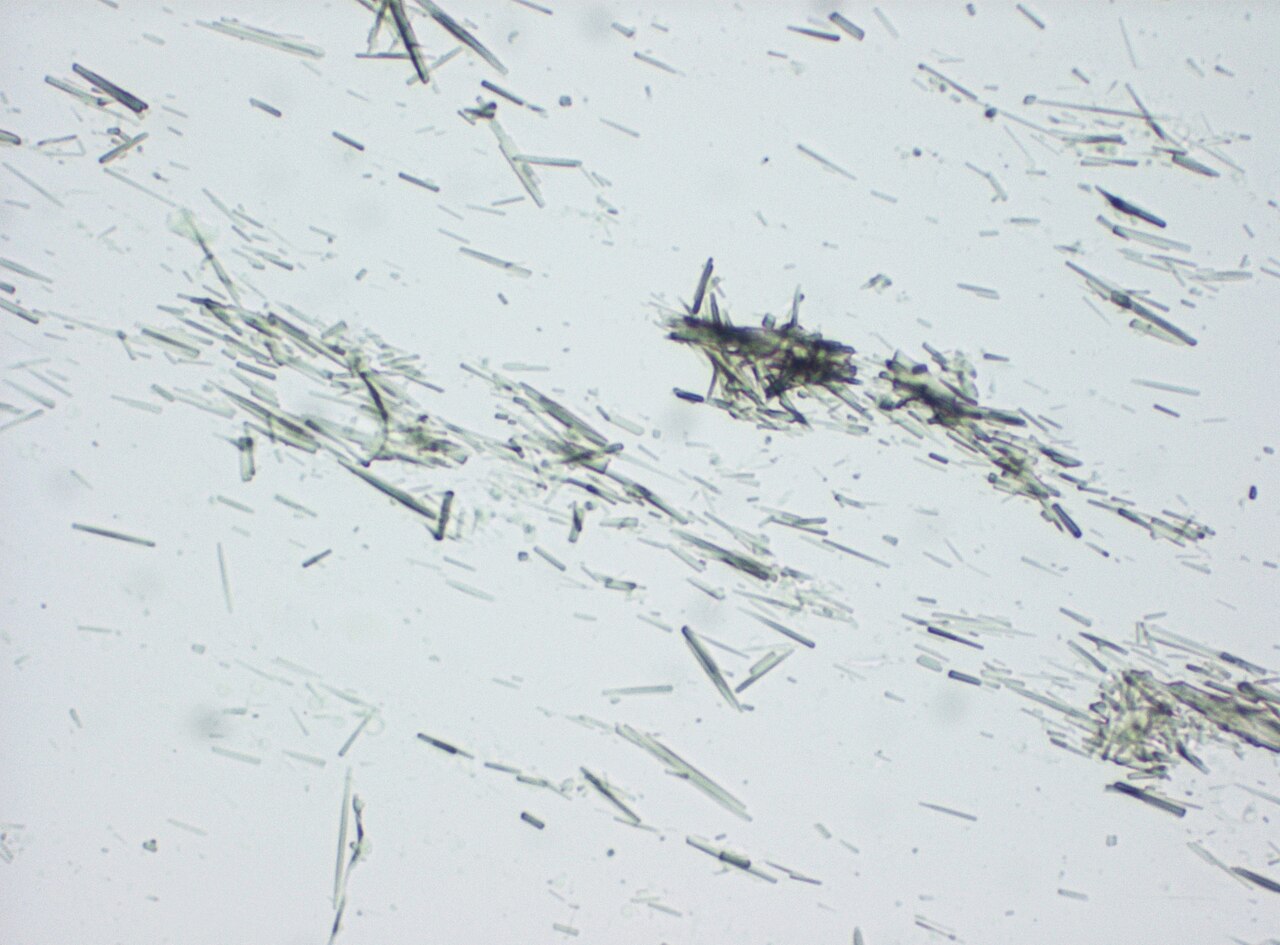
Uric acid is the metabolic end-product of purine breakdown. Above roughly 6.8 mg/dL it crystallises as monosodium urate in joints (gout) and kidneys (uric acid stones). Not everyone with high uric acid gets gout; not everyone with gout has a high uric acid at the time of the attack — up to 30% of acute gout attacks have normal uric acid because inflammation shifts urate into joint tissue. Gold-standard diagnosis is joint aspiration showing negatively birefringent crystals. Modern management is "treat-to-target": urate-lowering therapy (allopurinol first-line, febuxostat second) titrated to serum urate < 6.0 mg/dL, alongside lifestyle change and cardiovascular risk-factor management.
- Crystallisation threshold
- 6.8 mg/dL (0.40 mmol/L)
- Treatment target (established gout)
- < 6.0 mg/dL
- Tophaceous gout target
- < 5.0 mg/dL
- First-line drug
- Allopurinol (start 100 mg, titrate up)
- Gold-standard diagnosis
- Joint aspirate — MSU crystals
What uric acid is and why 6.8 matters
Uric acid is produced when the body breaks down purines — either dietary (red meat, offal, some seafood, beer, sugary drinks) or endogenous (cell turnover). At around 6.8 mg/dL, uric acid exceeds its solubility in physiological fluids and can precipitate as monosodium urate crystals in cool, poorly perfused tissues — most classically the big toe (podagra), where the temperature is a few degrees below core.
The clinical picture: intermittent acute attacks — extremely painful, red, swollen joint over hours to a day — separated by symptom-free intercritical periods. Untreated over years, tophi (visible urate deposits) form; chronic destructive arthritis and urate kidney stones follow.
Uric acid categories
| Uric acid (mg/dL) | Category | Clinical action |
|---|---|---|
| < 6.0 | Optimal (on treatment) | Continue urate-lowering therapy |
| 6.0 – 6.8 | Upper normal | Lifestyle change if gout risk factors present |
| 6.9 – 8.0 | Hyperuricaemia | Lifestyle first; treat if gout attack or tophi |
| > 8.0 with attacks | Established gout | Urate-lowering therapy — treat to target < 6.0 |
| > 10 or tophaceous | Severe gout | Aggressive therapy; target < 5.0 |
What drives high uric acid
Genetics accounts for 60% of the variance. On top of that, dietary and lifestyle drivers layer up: red meat and organ meat, high-purine seafood (sardines, anchovies, mussels), beer (which contains guanosine, a purine precursor) and spirits, sugar-sweetened beverages (fructose specifically raises uric acid), and obesity. Chronic kidney disease reduces uric acid clearance. Diuretics (especially thiazides), low-dose aspirin, ciclosporin, and pyrazinamide all elevate uric acid.
Foods with a smaller effect than commonly believed: vegetables high in purines (spinach, mushrooms, asparagus) — their contribution is modest. Coffee, dairy, and cherries are associated with LOWER uric acid.
When to start urate-lowering therapy
ACR and EULAR guidelines agree: start urate-lowering therapy after any of the following: (1) two or more attacks per year; (2) tophi on exam or imaging; (3) any gout attack in the presence of CKD stage ≥ 3, urate kidney stones, or gout onset before age 40; (4) baseline uric acid > 9.0 mg/dL. Asymptomatic hyperuricaemia in the absence of these features is not routinely treated — evidence for cardiovascular benefit is inconsistent.
Allopurinol is first-line. Start at 100 mg/day (50 mg in CKD) and titrate up in 100 mg steps every 2–5 weeks toward the target uric acid, up to 800 mg/day. Serum urate should be re-checked at 4 weeks after each dose change. Concurrent colchicine 0.5–1 mg/day for the first 3–6 months prevents rebound attacks during the initiation phase.
- First-ever gout attack or a joint attack with fever — septic arthritis must be excluded.
- Uric acid stones on imaging or blood in urine plus flank pain.
- Rash or fever within a few weeks of starting allopurinol — allopurinol hypersensitivity syndrome.
- Rapidly enlarging tophi or new nerve compression from a tophus.
- Gout attack in a patient with CKD stage 4/5 — dosing needs specialist input.
Uric acid & gout decision tree
- 1Uric acid high but no attacks?Asymptomatic hyperuricaemia — lifestyle (weight, alcohol, fructose, meat) + treat cardiovascular risk factors. Drug treatment only if very high (> 10 mg/dL), positive family history, or CKD.
- 2First gout attack?Confirm with joint aspirate if uncertain. Treat the attack (NSAID, colchicine, or steroid). Discuss urate-lowering therapy — recommended if attack was severe, tophi present, CKD, or uric acid > 9.
- 3Recurrent gout (≥ 2 attacks/year)?Start allopurinol 100 mg/day (50 mg in CKD), titrate to target uric acid < 6.0 mg/dL. Prophylactic colchicine 0.5 mg BD for 3–6 months.
- 4Tophaceous or refractory gout?Target uric acid < 5.0 mg/dL. Consider febuxostat, uricosurics (probenecid), or pegloticase in severe refractory cases.
Related questions people ask
- What foods raise uric acid the most?
- Can uric acid be normal during a gout attack?
- How long does allopurinol take to work?
- Is asymptomatic hyperuricaemia dangerous?
- How does gout relate to kidney disease?
- Does gout increase heart disease risk?
- Can weight loss lower uric acid?
Frequently asked questions
- Uric acid crystallises above 6.8 mg/dL — the biological threshold matters.
- Treatment target on urate-lowering therapy: < 6.0 mg/dL (< 5.0 in tophaceous).
- Asymptomatic hyperuricaemia is not routinely treated.
- Allopurinol is first-line; start low, titrate to target.
- Beer, sugar-sweetened drinks, and organ meat raise uric acid more than vegetable purines.
- Never start/stop urate-lowering therapy during an acute attack.
References
3 sources- ACR2020 Guideline for the Management of Gout
American College of Rheumatology gout guideline.
rheumatology.org
- EULAREvidence-based recommendations for gout
European rheumatology society guidance.
ard.bmj.com
- NICE NG219Gout: diagnosis and management
UK NICE gout guideline.
nice.org.uk
Related articles
 Laboratory Tests
TSH Test: Normal Range, High, Low & What Your Result Actually Means
TSH is the single most important thyroid number. Understand normal ranges by age and pregnancy, what a high or low value really tells you, and the two follow-up tests that clinch the diagnosis.
 Laboratory Tests
HbA1c Test: Normal Range, Prediabetic, Diabetic Cut-offs & How to Lower It
HbA1c reflects your average blood sugar over ~3 months. Understand every threshold — normal, prediabetes, diabetes — and the realistic actions that move the number.
 Laboratory Tests
LDL Cholesterol: Optimal Numbers, High Numbers, and How to Read Yours
LDL is the "bad" cholesterol only if you leave the story there. Understand optimal targets by risk group, the ApoB perspective, and the interventions that actually shift the number.