ALT and AST (SGPT/SGOT): The Liver Enzyme Test Explained
ALT is liver-specific; AST is not. Learn the causes of raised enzymes, the AST:ALT ratio, and when levels need urgent workup.
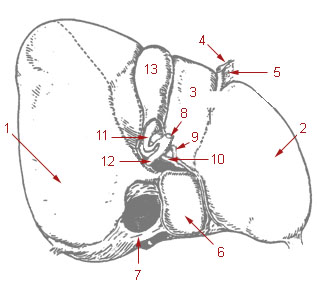
ALT (SGPT) is liver-specific; AST (SGOT) is also in muscle and heart. Normal upper limit is roughly 30 IU/L in women and 40 IU/L in men (varies by lab). Persistently raised ALT > 2× normal for > 6 months needs a full liver workup. Very high values (> 1000 IU/L) suggest ischaemia, drug/toxin, or viral hepatitis and require urgent evaluation.
Aminotransferases are the workhorse liver enzymes. ALT is far more liver-specific; AST is also released from skeletal and cardiac muscle. The 2017 ACG guideline on abnormal LFTs redefines "true" upper limits as 33 IU/L (men) and 25 IU/L (women) — lower than most reference intervals — to better detect early NAFLD, now the leading global cause of raised enzymes. The AST:ALT ratio > 2 with elevated GGT strongly suggests alcohol-related liver disease; ratio < 1 (ALT > AST) with metabolic risk suggests NAFLD. Any persistently raised enzyme > 6 months warrants a non-invasive fibrosis assessment: FIB-4 score, ELF test, or transient elastography (FibroScan). The Rule of 3× ULN or ALT > 300 IU/L in a symptomatic patient is a red flag: exclude paracetamol overdose, acute viral hepatitis (A/B/E), ischaemia, drug injury, or autoimmune hepatitis.
- Normal ALT
- < 33 (M) / < 25 (F) IU/L (ACG 2017)
- Liver-specific
- ALT — yes; AST — no
- AST:ALT > 2
- Suggests alcohol
- ALT > 1000
- Ischaemia, drug/toxin, or viral hepatitis
- Fibrosis screen
- FIB-4, ELF, or FibroScan
Patterns of ALT/AST elevation
| Pattern | Suggests |
|---|---|
| ALT > AST, mild rise, obese, T2DM | NAFLD / MASLD |
| AST > ALT (ratio > 2) + high GGT | Alcohol-related liver disease |
| ALT and AST > 1000 | Ischaemic hepatitis, paracetamol, acute viral hepatitis |
| AST > ALT + high CK | Muscle source, not liver |
| Mildly raised + young + fatigue | Viral hepatitis, autoimmune |
When to worry — red flags
ALT or AST > 1000 IU/L: urgent same-day evaluation for paracetamol overdose, ischaemic hepatitis, or acute viral hepatitis.
Persistently raised > 6 months: non-invasive fibrosis testing (FIB-4, ELF, FibroScan).
Rising trend with jaundice or encephalopathy: acute liver failure — emergency.
- ALT or AST > 1000 IU/L — same-day workup.
- Enzyme rise + jaundice, dark urine, or confusion — emergency.
- Persistent 2× ULN + metabolic risk — FIB-4 fibrosis assessment.
Raised ALT/AST workup
- 1ALT > 1000 IU/L?Paracetamol levels, viral hepatitis serology, ischaemia workup, urgent hepatology.
- 2AST:ALT > 2 + high GGT?Alcohol history, abstinence trial, FIB-4.
- 3ALT > AST + obesity/T2DM?NAFLD/MASLD workup: ultrasound, FIB-4, metabolic optimisation.
- 4Persistent elevation, no obvious cause?Coeliac serology, autoimmune screen (ANA, SMA, LKM), ferritin, caeruloplasmin, alpha-1-antitrypsin.
Related questions people ask
Frequently asked questions
- ALT is liver-specific; AST is not.
- AST:ALT > 2 with high GGT points to alcohol.
- ALT > AST with metabolic risk points to NAFLD.
- ALT > 1000 needs urgent workup.
- Persistent > 2× ULN needs FIB-4 fibrosis assessment.
References
2 sources- ACGEvaluation of Abnormal Liver Chemistries
American College of Gastroenterology.
journals.lww.com
- EASLNAFLD / MASLD Clinical Practice Guidelines
European association.
easl.eu
Related articles
 Laboratory Tests
TSH Test: Normal Range, High, Low & What Your Result Actually Means
TSH is the single most important thyroid number. Understand normal ranges by age and pregnancy, what a high or low value really tells you, and the two follow-up tests that clinch the diagnosis.
 Laboratory Tests
HbA1c Test: Normal Range, Prediabetic, Diabetic Cut-offs & How to Lower It
HbA1c reflects your average blood sugar over ~3 months. Understand every threshold — normal, prediabetes, diabetes — and the realistic actions that move the number.
 Laboratory Tests
LDL Cholesterol: Optimal Numbers, High Numbers, and How to Read Yours
LDL is the "bad" cholesterol only if you leave the story there. Understand optimal targets by risk group, the ApoB perspective, and the interventions that actually shift the number.