GGT (Gamma-Glutamyl Transferase): What High GGT Really Means
GGT is the most sensitive liver enzyme for biliary and alcohol-related damage. It also rises in medications, obesity, and cardiovascular disease. Learn how to interpret an isolated high GGT.
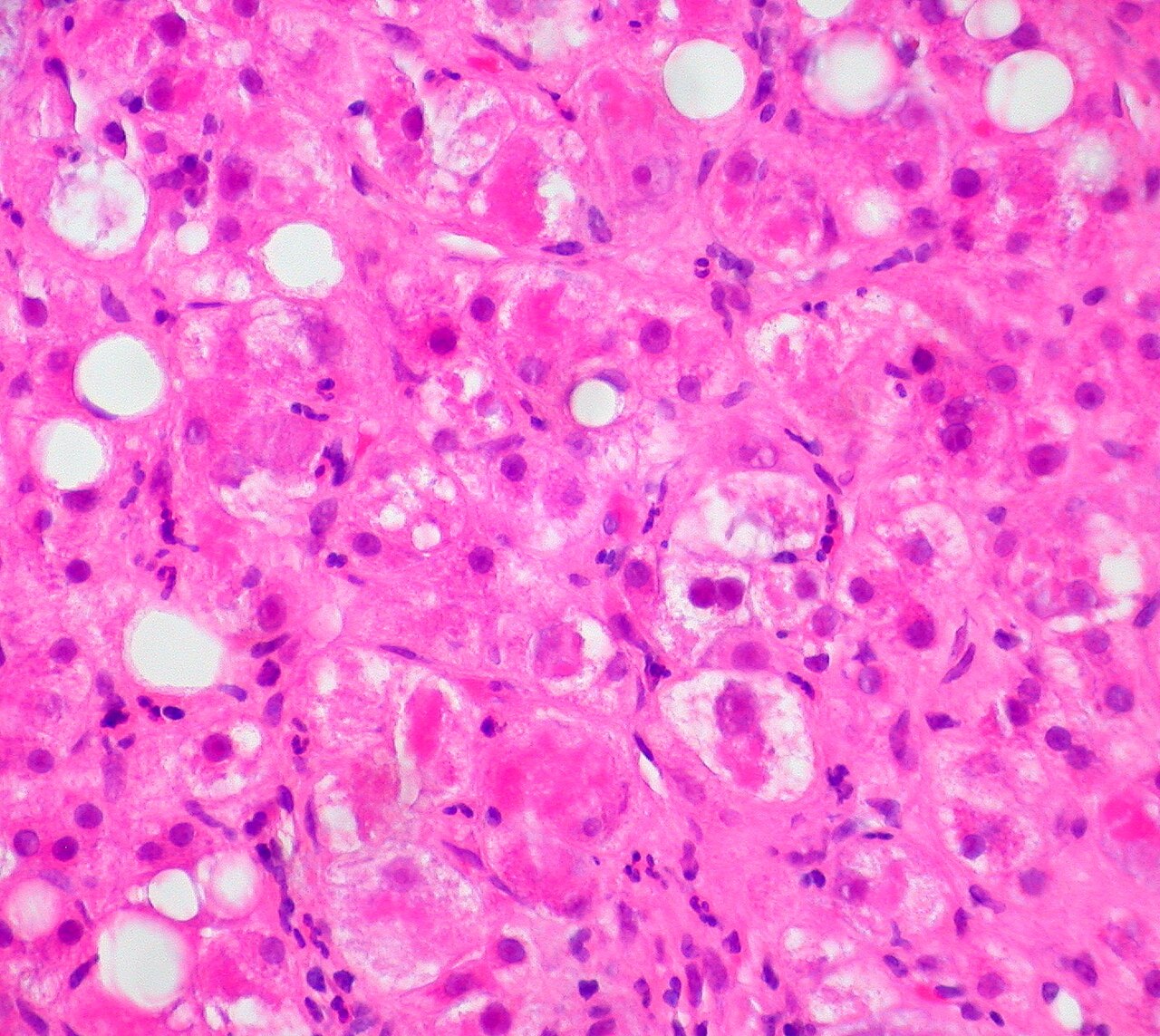
Normal GGT is roughly < 50 U/L in men and < 35 U/L in women. GGT is sensitive but not specific — it rises with alcohol, cholestasis, obesity, diabetes, cardiovascular disease, and many medications. An isolated raised GGT with normal other liver tests is common and rarely indicates significant liver disease.
GGT is a membrane-bound enzyme abundant in hepatocytes and biliary epithelium. It is the most sensitive liver enzyme for cholestatic and alcohol-related injury, but its specificity is poor: pancreatic disease, MI, COPD, obesity, diabetes, statins, phenytoin, and enzyme-inducing drugs all raise it. Isolated raised GGT with normal ALP, ALT, AST and bilirubin is extremely common — most cases reflect alcohol use, metabolic syndrome, or drug induction and do NOT need intensive workup. When GGT rises alongside ALP, cholestasis is confirmed; a raised ALP with normal GGT often points to bone (Paget's, growth, fracture, malignancy) rather than liver.
- Normal (men)
- < 50 U/L
- Normal (women)
- < 35 U/L
- Isolated raised GGT
- Common, usually not significant liver disease
- Raised GGT + ALP
- Cholestasis confirmed
- Best use
- Confirm hepatic origin of raised ALP; alcohol biomarker
Common causes of raised GGT
Alcohol: even moderate regular alcohol raises GGT. Levels normalise within 4–6 weeks of abstinence.
Cholestasis: gallstones, primary sclerosing cholangitis, primary biliary cholangitis, drug-induced cholestasis, tumours obstructing bile ducts.
Non-alcoholic fatty liver disease (NAFLD/MASLD): rising prevalence — GGT is often the first liver enzyme to rise.
Medications: statins, carbamazepine, phenytoin, phenobarbital, warfarin, oestrogens, oral contraceptives, methotrexate, valproate.
Metabolic and cardiovascular associations: obesity, diabetes, metabolic syndrome, congestive heart failure. Epidemiological studies show higher GGT correlates with cardiovascular events — probably a marker of oxidative stress rather than a cause.
ALP + GGT pattern matrix
| ALP | GGT | Interpretation |
|---|---|---|
| High | High | Cholestatic liver disease |
| High | Normal | Bone origin (Paget's, growth, fracture, metastasis) |
| Normal | High | Alcohol, drugs, NAFLD, isolated GGT rise |
- GGT rising with ALP + jaundice — cholestatic workup with ultrasound.
- GGT > 5× ULN with heavy alcohol use — alcohol-related liver disease workup.
- GGT rise + rising ALT/AST — hepatocellular injury; consider drug injury, viral hepatitis.
- Persistent unexplained isolated GGT rise with cardiovascular risk factors — screen for NAFLD/MASLD.
Interpreting a raised GGT
- 1Isolated raised GGT, everything else normal?Review alcohol, drugs, obesity/diabetes. Repeat in 3 months after modification.
- 2GGT + ALP both raised?Cholestasis confirmed. Abdominal ultrasound; consider MRCP if biliary dilation.
- 3GGT + ALT/AST raised?Hepatocellular pattern with cholestatic overlap. Full liver workup.
- 4Very high GGT with alcohol use?Alcohol-related liver disease. Counsel abstinence; recheck in 6 weeks.
Related questions people ask
- What causes isolated raised GGT?
- Does alcohol always raise GGT?
- What is the ALP + GGT pattern?
- How does GGT relate to ALT?
- Does GGT predict cardiovascular disease?
- What drugs raise GGT?
- Is GGT part of the CMP?
Frequently asked questions
- GGT is sensitive for cholestasis and alcohol but not specific.
- Isolated raised GGT is common and rarely indicates significant disease.
- ALP + GGT high = liver cholestasis; ALP high + GGT normal = bone.
- Alcohol, statins, anti-epileptics, obesity, diabetes all raise GGT.
- Falls within 4–6 weeks of alcohol abstinence.
- GGT correlates with cardiovascular risk as a marker of oxidative stress.
References
3 sources- BSGAbnormal Liver Blood Tests Guideline
UK gastroenterology society.
bsg.org.uk
- AASLDApproach to Abnormal Liver Tests
US hepatology framework.
aasld.org
- EASLCholestatic Liver Diseases
European cholestatic disease guideline.
easl.eu
Evidence Snapshot
This snapshot shows verified evidence records matched to this article. It is not a diagnosis or personal medical advice.
When an alkaline phosphatase elevation is of uncertain tissue origin, a concurrent GGT is used to help clarify a hepatobiliary source, since GGT is not raised by bone-source ALP.
Limitation. GGT can be raised by non-hepatobiliary factors such as alcohol and some medicines, so it does not always definitively confirm the source.
Gamma-glutamyl transferase (GGT) is an enzyme concentrated in the biliary epithelium and hepatocytes and is used mainly as a marker of hepatobiliary pathology.
Limitation. Serum GGT does not identify the underlying cause of a hepatobiliary process on its own.
GGT is inducible by regular alcohol intake and by certain medicines, so an elevated GGT is not specific to a single cause and can occur without significant liver disease.
Limitation. GGT elevation caused by induction cannot be distinguished from that caused by intrinsic liver disease from the number alone.
Related articles
 Laboratory Tests
TSH Test: Normal Range, High, Low & What Your Result Actually Means
TSH is the single most important thyroid number. Understand normal ranges by age and pregnancy, what a high or low value really tells you, and the two follow-up tests that clinch the diagnosis.
 Laboratory Tests
HbA1c Test: Normal Range, Prediabetic, Diabetic Cut-offs & How to Lower It
HbA1c reflects your average blood sugar over ~3 months. Understand every threshold — normal, prediabetes, diabetes — and the realistic actions that move the number.
 Laboratory Tests
LDL Cholesterol: Optimal Numbers, High Numbers, and How to Read Yours
LDL is the "bad" cholesterol only if you leave the story there. Understand optimal targets by risk group, the ApoB perspective, and the interventions that actually shift the number.