Ammonia Blood Test: When Elevated Levels Matter (and When They Do Not)
Ammonia is measured mostly to investigate hepatic encephalopathy and inherited urea cycle disorders. Learn why a single high ammonia is often unreliable and what patterns actually matter.
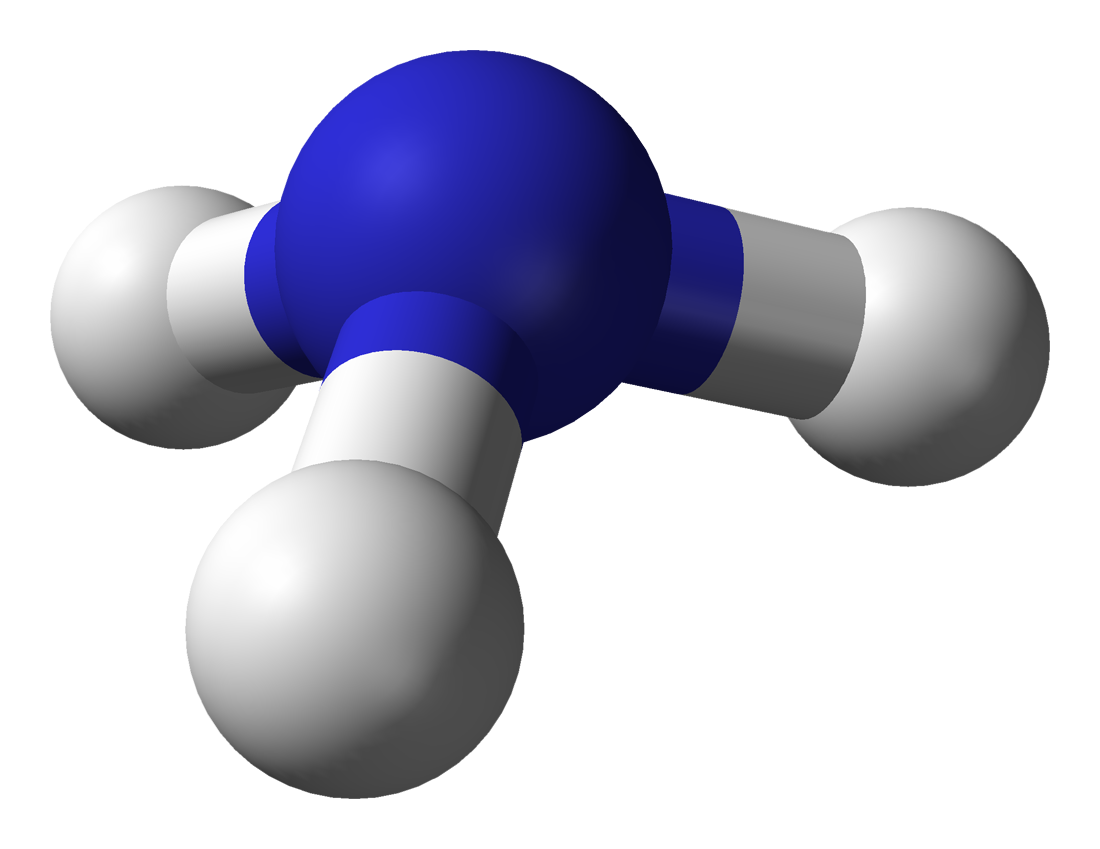
Normal ammonia is roughly < 35 µmol/L in adults. Ammonia is measured mainly to investigate suspected hepatic encephalopathy in cirrhosis, urea cycle disorders in unexplained coma, and valproate toxicity. Sample handling errors produce many falsely high values — use ice-packed samples processed within 15 minutes.
Ammonia is produced by gut bacteria and by amino acid metabolism, then cleared by the liver via the urea cycle. Cirrhosis, portosystemic shunting, urea cycle defects, valproate, and salicylate toxicity impair clearance. Ammonia contributes to hepatic encephalopathy (HE) but correlation with severity is imperfect — clinical grading (West Haven) is more reliable than ammonia level. Guidelines (AASLD, EASL) do NOT recommend ammonia measurement for diagnosis or monitoring of HE in typical cirrhotic patients; it is helpful in atypical or paediatric cases. Falsely elevated results are common — sample must be arterial or venous without tourniquet, on ice, processed within 15 minutes.
- Normal adult
- < 35 µmol/L (varies by lab)
- Main indication
- Suspected urea cycle disorder or atypical encephalopathy
- Not recommended for
- Routine HE diagnosis in known cirrhosis
- Sample handling
- On ice, no tourniquet, process within 15 min
- Best clinical tool for HE
- West Haven grading, clinical exam
Why ammonia levels can mislead
The correlation between ammonia and encephalopathy severity is poor. Two patients with the same ammonia can have very different mental status. Sample handling has an outsized influence — a delayed or unrefrigerated sample can double the value. AASLD and EASL guidelines therefore reserve ammonia measurement for cases where HE diagnosis is uncertain, paediatric coma workup (urea cycle disorders), and valproate toxicity investigation.
When ammonia IS clinically useful
| Setting | Purpose |
|---|---|
| Unexplained coma or altered mental status in a non-cirrhotic | Rule out urea cycle disorder |
| Neonatal encephalopathy | Detect inborn errors of urea cycle |
| Valproate or salicylate toxicity workup | Confirm mechanism |
| Atypical or refractory HE in cirrhosis | Support diagnosis when clinical picture unclear |
Treatment of hepatic encephalopathy
Lactulose reduces ammonia absorption in the colon; rifaximin reduces ammonia-producing gut bacteria. Precipitants such as GI bleeding, infection, constipation, electrolyte disturbance, sedatives, and diuretic excess should be identified and corrected.
- Altered mental status + cirrhosis — treat empirically for HE without waiting for ammonia result.
- Neonate with lethargy, vomiting, seizures — urgent urea cycle workup.
- Valproate patient with new confusion — check ammonia.
- Rapidly rising ammonia + coma — TIPS complication or fulminant hepatic failure.
Ammonia workup
- 1Cirrhotic with HE features?Treat empirically (lactulose ± rifaximin), correct precipitants. Ammonia measurement not required.
- 2Unexplained coma in non-cirrhotic?Ammonia + metabolic screen; consider urea cycle disorder.
- 3Sample delayed or unrefrigerated?Repeat with proper handling before acting.
Related questions people ask
- What is hepatic encephalopathy?
- Do I need ammonia to diagnose HE?
- What is a urea cycle disorder?
- How does bilirubin fit in?
- Does hepatitis C raise ammonia?
- What is a normal ammonia?
- Why is ammonia so unreliable?
Frequently asked questions
- Ammonia is not routinely needed to diagnose HE in cirrhosis.
- Best used for atypical coma, paediatric metabolic disease, valproate toxicity.
- Sample handling errors distort results.
- Clinical grading trumps the number.
- Lactulose and rifaximin are mainstays of HE treatment.
- Precipitants matter more than the ammonia number.
References
3 sources- AASLD/EASLHepatic Encephalopathy Guidelines
HE diagnostic framework.
aasld.org
- NICE CG100Alcohol-use disorders: physical complications
UK alcohol liver disease guideline.
nice.org.uk
- ESPGHANUrea Cycle Disorders Guidance
Paediatric urea cycle guidance.
espghan.org
Evidence Snapshot
This snapshot shows verified evidence records matched to this article. It is not a diagnosis or personal medical advice.
Ammonia is produced during protein and amino-acid metabolism and is normally cleared by the liver via the urea cycle; impaired hepatic clearance can lead to elevated blood ammonia.
Limitation. Blood ammonia alone does not confirm or exclude hepatic encephalopathy, which is a clinical diagnosis.
Blood ammonia is a pre-analytically unstable analyte: proper technique, minimal tourniquet time, prompt cooling on ice and rapid processing are required because levels can rise falsely with delays in transport and processing.
Limitation. Even with best practice, laboratory ammonia measurements can vary between assays and settings.
Related articles
 Laboratory Tests
TSH Test: Normal Range, High, Low & What Your Result Actually Means
TSH is the single most important thyroid number. Understand normal ranges by age and pregnancy, what a high or low value really tells you, and the two follow-up tests that clinch the diagnosis.
 Laboratory Tests
HbA1c Test: Normal Range, Prediabetic, Diabetic Cut-offs & How to Lower It
HbA1c reflects your average blood sugar over ~3 months. Understand every threshold — normal, prediabetes, diabetes — and the realistic actions that move the number.
 Laboratory Tests
LDL Cholesterol: Optimal Numbers, High Numbers, and How to Read Yours
LDL is the "bad" cholesterol only if you leave the story there. Understand optimal targets by risk group, the ApoB perspective, and the interventions that actually shift the number.