Hepatitis C Antibody Test and HCV RNA: Cured vs Chronic Explained
Anti-HCV antibody detects exposure; HCV RNA confirms active infection. In the era of direct-acting antivirals, hepatitis C is curable in over 95% of patients. Learn the test pathway and what a positive result means today.
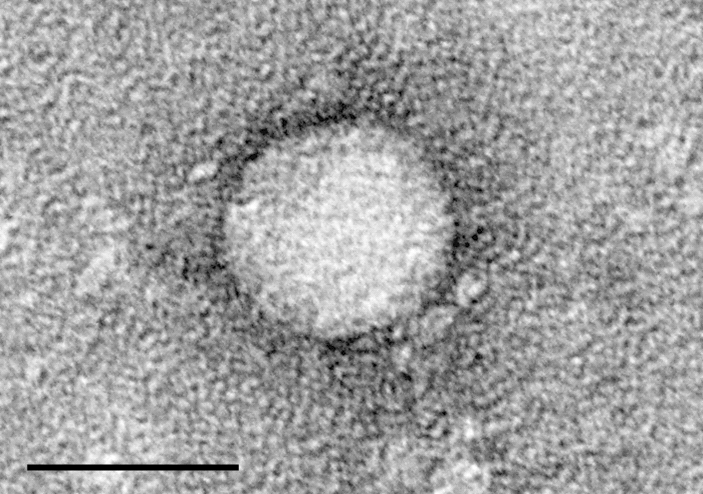
Anti-HCV antibody positive indicates exposure at some point — not current infection. HCV RNA (viral load) confirms active infection. Modern direct-acting antivirals cure > 95% of patients in 8–12 weeks. Sustained virological response (SVR12 — undetectable HCV RNA 12 weeks after treatment) equates to cure.
HCV screening starts with anti-HCV antibody. A positive antibody triggers HCV RNA testing: (1) RNA positive → active infection, treat with DAA; (2) RNA negative → past infection cleared spontaneously or after treatment (~25% clear spontaneously). Universal one-time HCV screening in adults 18–79 is now recommended by USPSTF and CDC. Direct-acting antivirals (sofosbuvir/velpatasvir, glecaprevir/pibrentasvir) achieve SVR12 in > 95% across genotypes. After cure, anti-HCV remains positive lifelong but RNA stays undetectable unless re-infected. Cirrhotic patients need continued HCC surveillance after cure.
- First-line
- Anti-HCV antibody
- Confirm active infection
- HCV RNA (PCR)
- Cure rate with DAA
- > 95%
- Cure definition
- SVR12 = undetectable HCV RNA 12 weeks post-treatment
- Screening age (USPSTF)
- 18–79 years, at least once
How to read the two-step algorithm
Anti-HCV positive but RNA negative: past infection cleared (spontaneously in ~25% of exposed persons, or after successful treatment). Anti-HCV positive with RNA positive: active infection — start DAA therapy. Anti-HCV negative: no exposure detected (window period 4–10 weeks). If recent high-risk exposure, HCV RNA is the earliest test.
Hepatitis C test interpretation
| Anti-HCV | HCV RNA | Interpretation |
|---|---|---|
| Negative | — | No exposure detected (repeat if recent exposure) |
| Positive | Detectable | Active infection — treat with DAA |
| Positive | Undetectable | Past infection, cleared (spontaneously or after cure) |
| Positive but low signal | Undetectable | False positive possible; repeat |
- HCV RNA positive + jaundice, ascites or encephalopathy — decompensated cirrhosis workup.
- HCV RNA positive + planning pregnancy — treat before conception.
- HCV cured but new liver mass — HCC surveillance active.
- Persistent HCV RNA after DAA course — resistance testing.
HCV workup
- 1Anti-HCV positive?Order HCV RNA. Positive = active infection, treat. Negative = past infection cleared.
- 2HCV RNA positive?Assess fibrosis (FibroScan or APRI), start DAA therapy.
- 3SVR12 confirmed?Cured. Continue HCC surveillance only if cirrhotic. Educate on re-infection risk.
- 4Recent needle-stick or transfusion?HCV RNA at 2–4 weeks; anti-HCV at 4 and 12 weeks.
Related questions people ask
- What are direct-acting antivirals?
- Is hepatitis C curable?
- Do I need HCV screening?
- How does HCV compare to HBV?
- Why is ALT raised in HCV?
- Do I still need HCC surveillance after cure?
- Can I get re-infected?
Frequently asked questions
- Two-step algorithm: anti-HCV → HCV RNA.
- Anti-HCV positive alone is NOT active infection.
- DAAs cure > 95% in 8–12 weeks.
- Cure = SVR12 (undetectable RNA 12 weeks post-treatment).
- Cirrhotic patients need HCC surveillance even after cure.
- USPSTF recommends one-time screening in adults 18–79.
References
3 sources- AASLD/IDSAHCV Guidance
US HCV management.
hcvguidelines.org
- EASLHCV Guidelines
European HCV framework.
easl.eu
- WHOHepatitis C
Global HCV framework.
who.int
Related articles
 Laboratory Tests
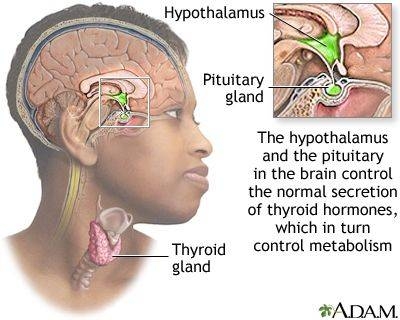
TSH Test: Normal Range, High, Low & What Your Result Actually Means
TSH is the single most important thyroid number. Understand normal ranges by age and pregnancy, what a high or low value really tells you, and the two follow-up tests that clinch the diagnosis.
 Laboratory Tests
HbA1c Test: Normal Range, Prediabetic, Diabetic Cut-offs & How to Lower It
HbA1c reflects your average blood sugar over ~3 months. Understand every threshold — normal, prediabetes, diabetes — and the realistic actions that move the number.
 Laboratory Tests
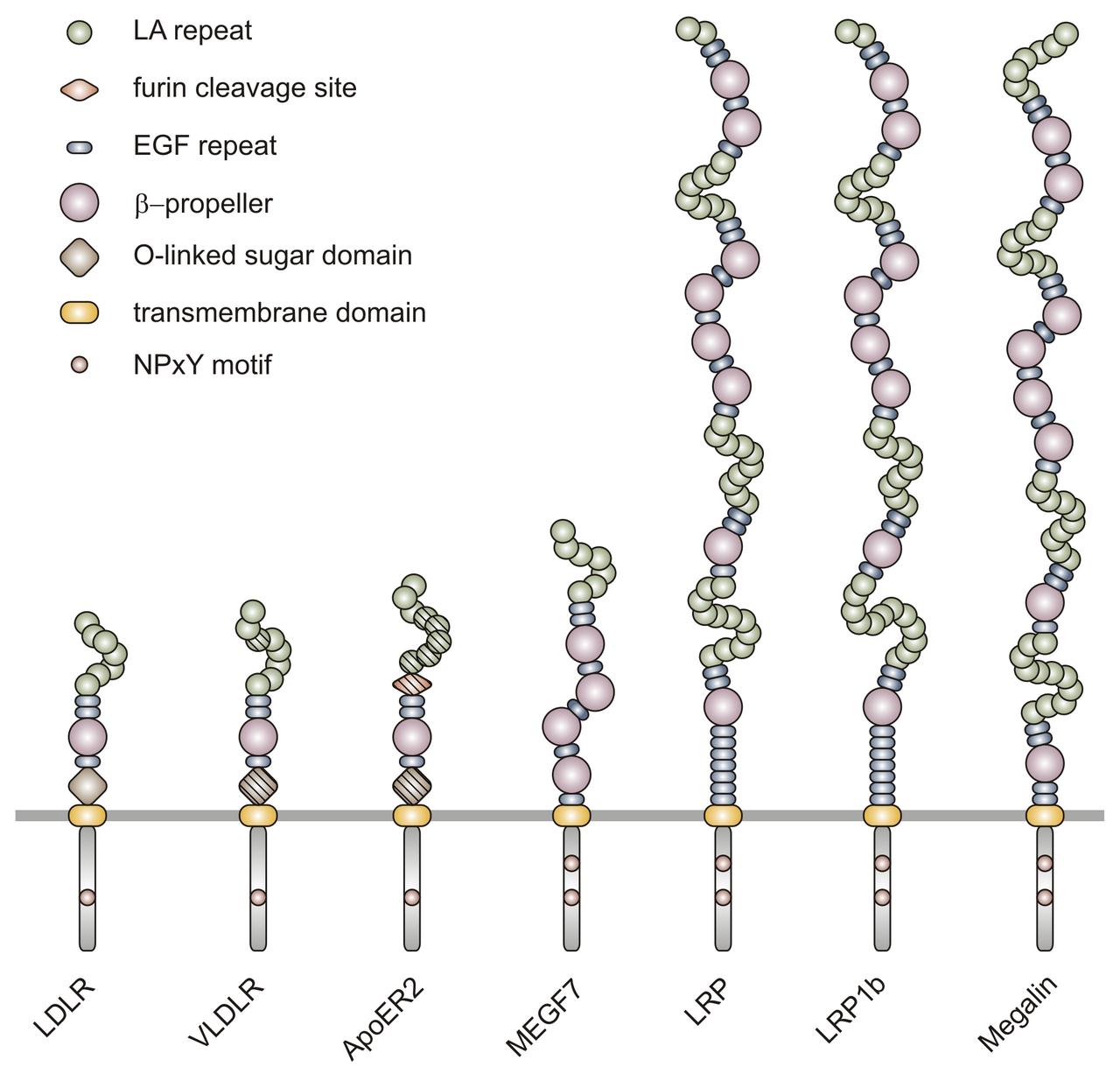
LDL Cholesterol: Optimal Numbers, High Numbers, and How to Read Yours
LDL is the "bad" cholesterol only if you leave the story there. Understand optimal targets by risk group, the ApoB perspective, and the interventions that actually shift the number.