Apple Watch AFib Alert: What to Do Next
A smartwatch AFib alert is not a diagnosis — but it is a real signal that warrants confirmation. Here is exactly what to do.
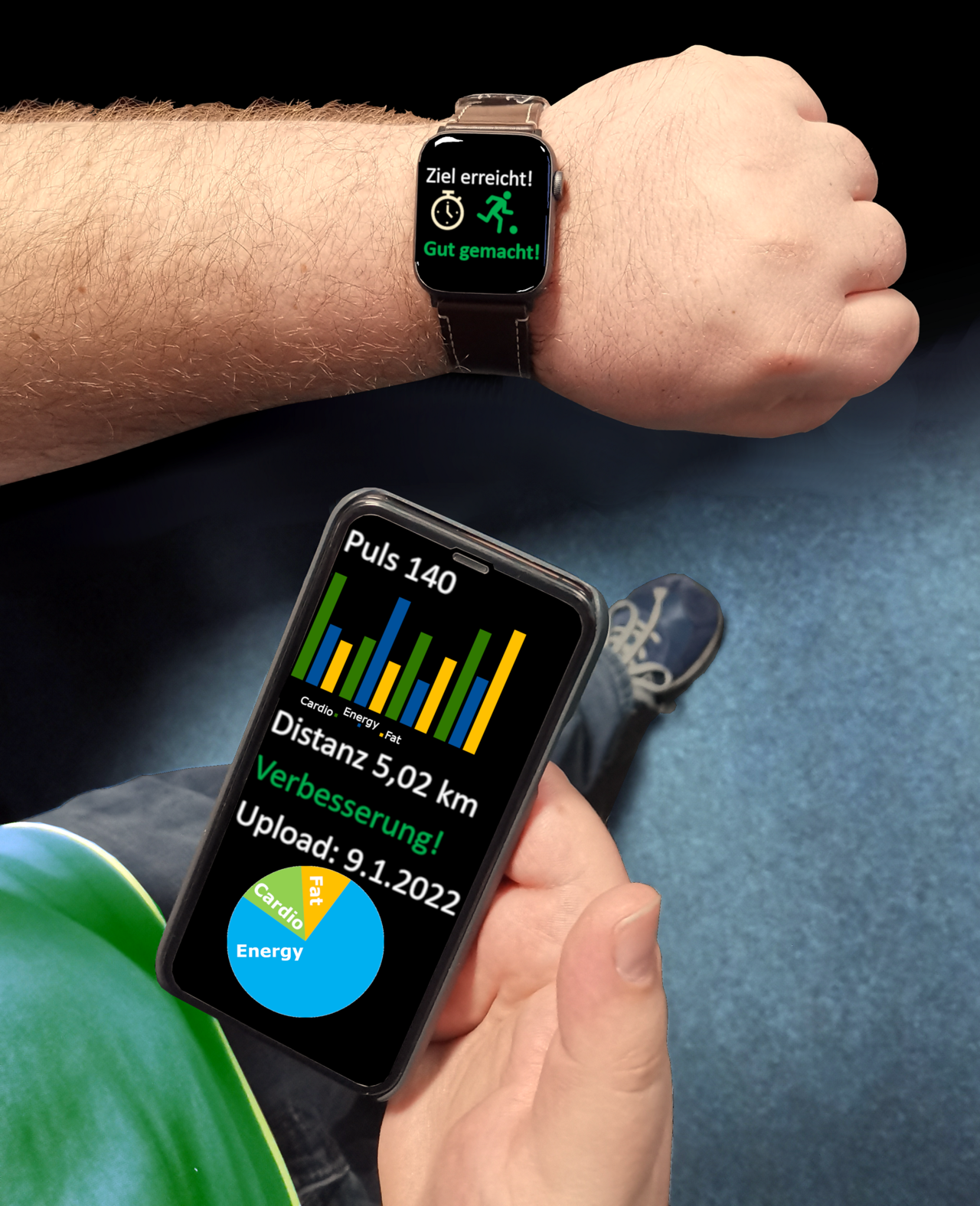
A smartwatch AFib alert is a genuine signal but not a formal diagnosis. In validation studies, Apple Watch and comparable devices detect AF with 84–98% sensitivity and 71–98% specificity — meaning most alerts represent real irregular rhythms, but some are false positives from motion artefact or ectopic beats. The right next step is to save the ECG strip and see your GP within a few days for a 12-lead ECG. If you have symptoms of stroke, chest pain, breathlessness, or fainting, seek emergency care.
A smartwatch AFib alert is a real signal but not a formal diagnosis. Modern wearables detect atrial fibrillation with 84–98% sensitivity and 71–98% specificity. Confirmation requires a 12-lead ECG or Holter monitor. Asymptomatic alerts warrant a GP visit within days; emergency symptoms such as chest pain, breathlessness, syncope, or stroke signs require immediate emergency care.
- Sensitivity for AF
- 84–98%
- Specificity
- 71–98%
- Confirmatory test
- 12-lead ECG or Holter monitor
- Priority
- Symptomatic → same day; asymptomatic → within days
What the alert actually detects
Modern smartwatches use two signals: photoplethysmography (PPG) — the green light that reads pulse from your wrist — and a single-lead ECG when you hold the crown. PPG scans continuously and flags irregular rhythms; the ECG is a spot-check.
The device does not diagnose AF definitively. It flags a pattern that looks like AF. Confirmation requires clinical assessment plus a 12-lead ECG or a Holter monitor to catch the arrhythmia.
- You have chest pain, breathlessness, or fainting.
- You have symptoms of stroke — face drooping, arm weakness, speech difficulty.
- Your heart rate is sustained above 130 bpm with symptoms.
- You feel severely unwell in any way.
A sensible pathway
- 1Any emergency symptoms?Call emergency services immediately — do not wait.
- 2Asymptomatic alert?Save the ECG strip. See your GP within a few days for a 12-lead ECG.
- 3ECG confirms AF?Stroke-risk assessment (CHA₂DS₂-VASc), rate-control discussion, anticoagulation decision.
- 4ECG normal but repeat alerts?Ask for extended monitoring — Holter or 14-day event recorder.
Related questions people ask
- Can I ignore an AFib alert if I feel fine?
- What is CHA2DS2-VASc?
- Are smartwatch ECGs reliable enough to diagnose AFib?
- What is paroxysmal atrial fibrillation?
- Should I start blood thinners after an AFib alert?
- When is AFib an emergency?
- Can caffeine cause false AFib alerts?
Frequently asked questions
- Smartwatch AFib alerts are real signals, not formal diagnoses.
- Save the ECG strip and follow up promptly.
- Emergency symptoms → emergency care.
- Confirmed AF changes cardiovascular management — do not delay confirmation.
References
2 sources- ESCESC Guidelines on AF 2024
Diagnosis and management of AF.
escardio.org
- AHA/ACC/HRS 2023 AF Guideline
Wearable-detected AF section.
ahajournals.org
Related articles
 Lab Interpretation
Vitamin D Deficiency: When Low Numbers Actually Matter
A "low" vitamin D result is not always a real deficiency, and not every low result needs treatment. Here is how clinicians actually decide.
 Body Measurements
Understanding BMI in 2026: Beyond the Single Number
BMI is a starting point, not a verdict. Here is how to interpret it with body fat %, waist-to-height and lifestyle context.
 Hydration
The Science of Hydration: How Much Water Do You Really Need?
The "8 glasses a day" rule is a myth. Modern physiology gives us a far more elegant — and personal — answer.