Palpitations With a Normal ECG: What to Do Next
A resting ECG only catches rhythms happening right then. Palpitations are usually intermittent — Holter monitors, loop recorders, and smartwatches close the gap.
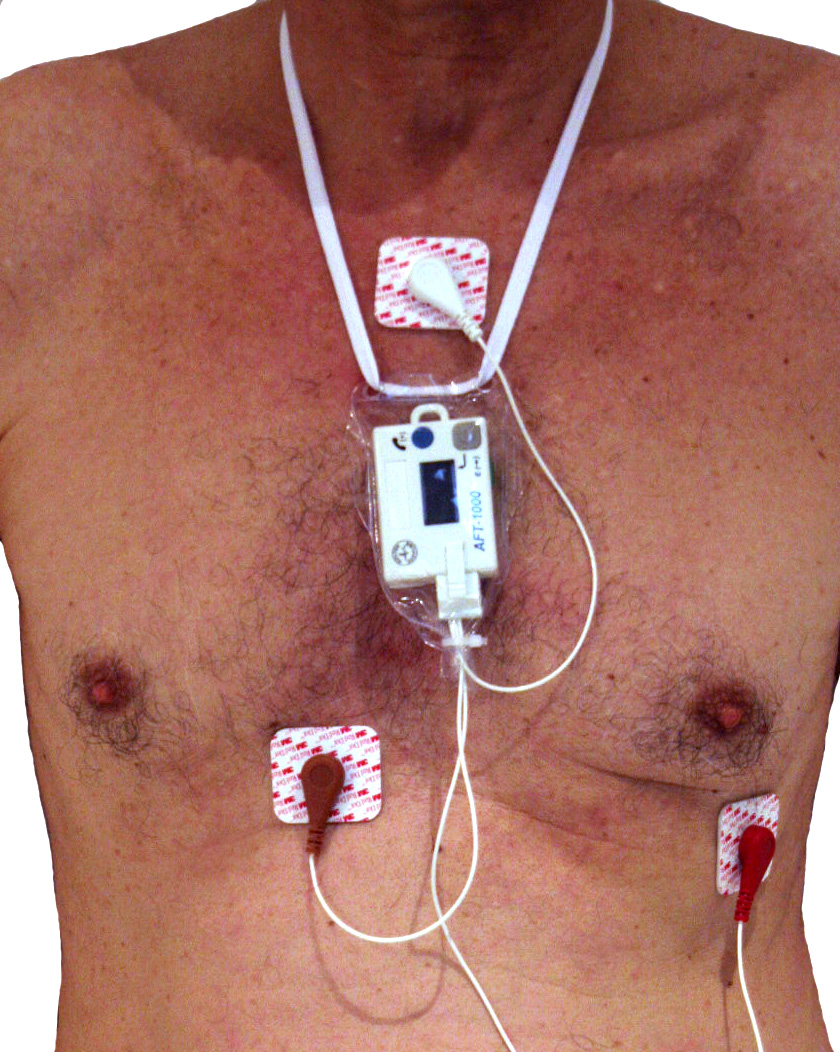
A resting 10-second ECG only captures the rhythm at that moment. Palpitations are almost always intermittent, so a normal in-office ECG is expected and reassuring — but not definitive. The right next step depends on frequency: episodes several times a week get a 24–72-hour Holter; less frequent episodes get a 14-day event recorder or an implantable loop recorder. Modern smartwatches can capture single-lead rhythms during symptoms.
A resting 10-second ECG captures rhythm at only that moment. Palpitations are usually intermittent, so a normal in-office ECG is expected. Monitor duration should match symptom frequency: 24–72 hour Holter for daily symptoms, 14–30 day event recorder for weekly, implantable loop recorder for rarer episodes. Ectopic beats are the most common benign finding.
- Ambulatory monitor duration
- 24 h · 72 h · 14 d · 30 d · implanted
- Match monitor to frequency
- Daily → 24h, weekly → 14d, monthly → loop
- Common benign cause
- Ectopic beats (PACs / PVCs)
- Common treatable causes
- AF, SVT, POTS, thyroid, caffeine, meds
The differential of a normal ECG with palpitations
The most common finding on ambulatory monitoring is ectopic beats — premature atrial or ventricular contractions (PACs / PVCs). In structurally normal hearts they are usually benign, though can be distressing. Reducing caffeine, alcohol, and improving sleep often reduces the burden.
Paroxysmal atrial fibrillation, supraventricular tachycardia, and POTS all show normal resting ECGs between episodes. Thyroid overactivity produces sinus tachycardia. Anaemia and low iron drive palpitations too. Some medications (bronchodilators, decongestants, stimulants) are common triggers.
Choosing the right monitor
| Frequency of symptoms | Best monitor | Detection rate |
|---|---|---|
| Daily | Holter 24–48 h | High |
| Several times a week | Holter 72 h | Good |
| Weekly to monthly | Event recorder 14–30 d | Good |
| Less than monthly | Implantable loop recorder | Best |
| Ad hoc during symptoms | Smartwatch single-lead ECG | Good with cooperation |
- Palpitations with syncope or pre-syncope.
- Family history of sudden cardiac death.
- Known structural heart disease.
- Palpitations during exercise (not just after).
- Sustained rapid rhythms > 30 seconds.
Practical next steps
- 1Rare, brief, no red flags?Symptom diary + trigger review (caffeine, alcohol, stress, sleep, meds). Smartwatch capture if available.
- 2Frequent, no red flags?Holter for 24–72 h. Basic bloods (thyroid, iron, glucose, electrolytes).
- 3Infrequent with high-risk features?Prolonged monitoring (14–30 d) or implantable loop recorder. Cardiology review.
- 4AF captured on any monitor?Stroke-risk assessment (CHA₂DS₂-VASc), anticoagulation decision, cardiology.
Related questions people ask
- Are skipped beats dangerous?
- Can anxiety cause palpitations?
- What is an event recorder?
- What is POTS?
- Do smartwatches detect atrial fibrillation reliably?
- What triggers ectopic beats?
- Can thyroid disease cause palpitations?
Frequently asked questions
- A normal resting ECG does not rule out intermittent arrhythmia.
- Match the monitor duration to symptom frequency.
- Ectopic beats are the most common benign finding.
- Syncope, exercise-triggered palpitations, and family history of sudden death demand faster workup.
References
2 sources- ESCESC Guidelines on Supraventricular Tachycardia
Diagnosis and management.
escardio.org
- AHA/ACC Palpitations Guidance
Approach to palpitations.
ahajournals.org
Related articles
 Cardiology
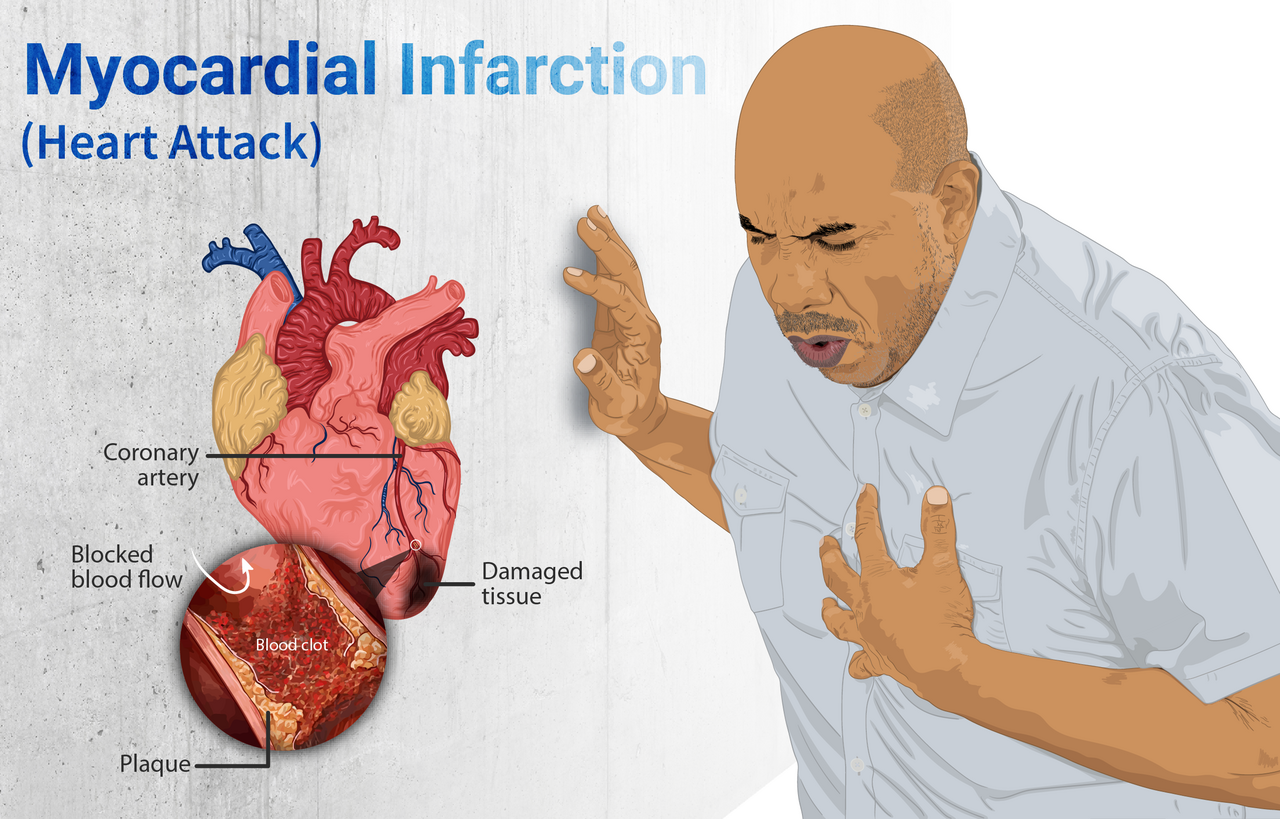
Chest Pain After Eating vs Heart Attack: How to Tell the Difference
Post-meal chest pain is usually reflux or oesophageal spasm — but some presentations mimic a heart attack. Here is the consultant-grade way to tell them apart.
 Cardiology
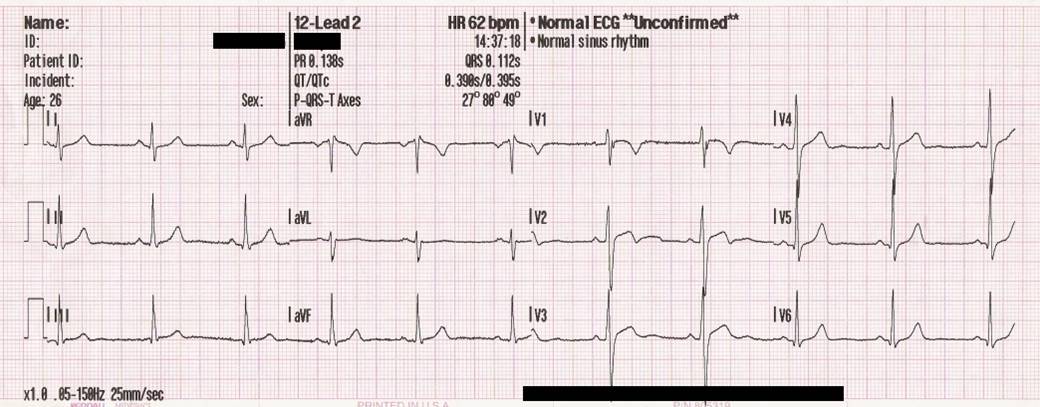
Normal ECG But Chest Pain: What It Actually Means
A normal ECG is reassuring — but up to 60% of real heart attacks have a normal initial ECG. Here is what it rules in, what it rules out, and what to do next.
 Cardiology
Home Blood Pressure Higher Than at the Doctor: Masked vs White-Coat
Clinic BP is normal, home BP is high — masked hypertension is real and doubles cardiovascular risk. Here is how to confirm it and what to do.