Home Blood Pressure Higher Than at the Doctor: Masked vs White-Coat
Clinic BP is normal, home BP is high — masked hypertension is real and doubles cardiovascular risk. Here is how to confirm it and what to do.
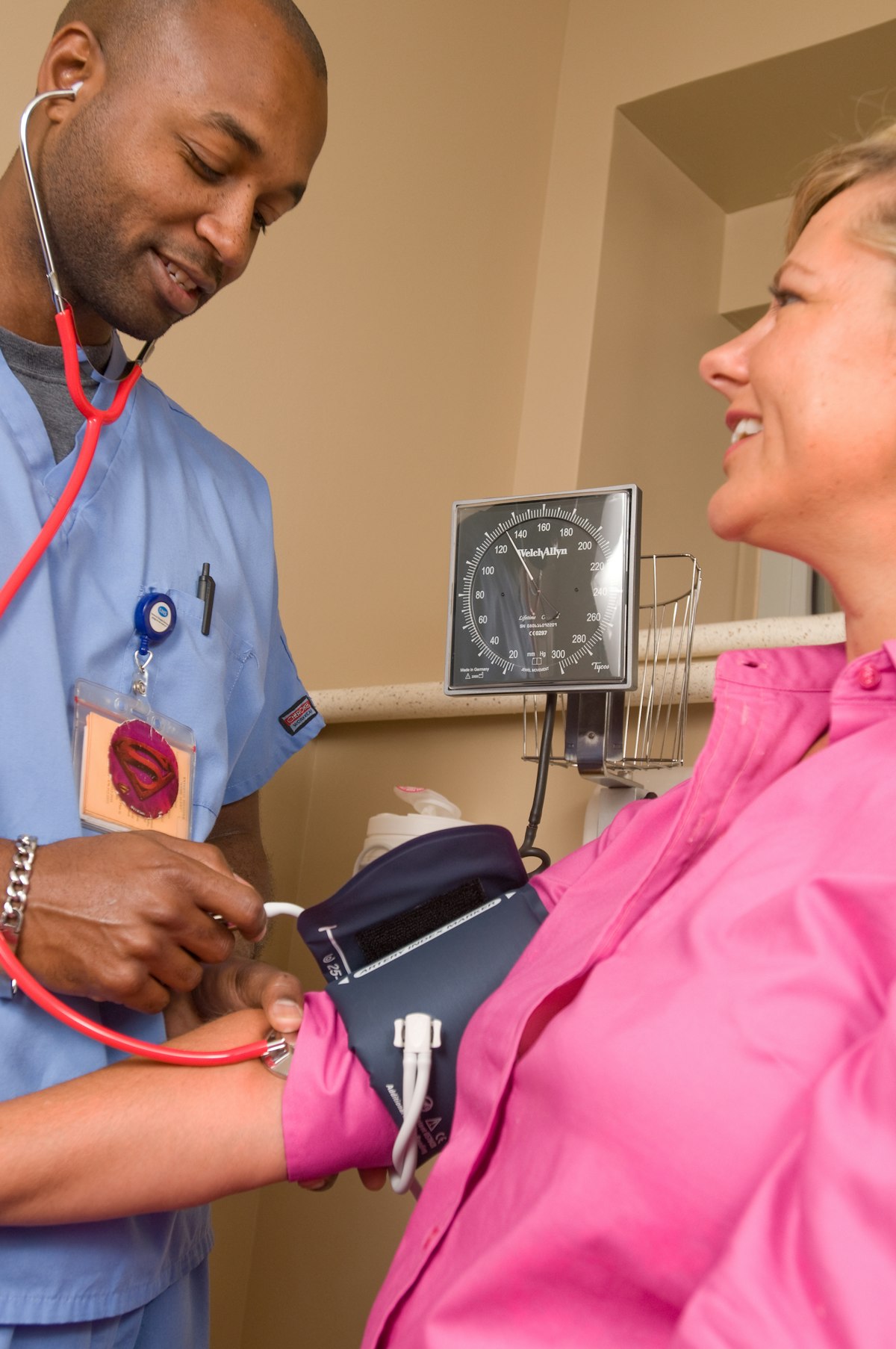
Home BP readings that are consistently higher than clinic BP suggest masked hypertension — a genuine clinical entity affecting roughly 10–15% of adults. Unlike white-coat hypertension (clinic higher than home, largely benign), masked hypertension carries the same cardiovascular risk as sustained hypertension and often goes undiagnosed for years. Confirmation is by 24-hour ambulatory BP monitoring (ABPM) or a proper 7-day home BP protocol.
Home blood pressure readings consistently higher than clinic readings suggest masked hypertension — a genuine condition affecting 10–15% of adults with the same cardiovascular risk as sustained hypertension. Confirmation is by 24-hour ambulatory BP monitoring or a proper 7-day home BP protocol averaging ≥ 135/85 mmHg. Home BP predicts cardiovascular events better than clinic readings.
- Diagnostic threshold (home / ABPM daytime)
- ≥ 135/85 mmHg
- Prevalence
- 10–15% of adults
- Risk
- Similar to sustained hypertension
- Confirmatory test
- ABPM or 7-day home BP average
Why home BP is often more accurate
Clinic BP is measured briefly, often after rushing to appointments, with a single or double reading. Home BP averages 30+ readings across days and reflects your usual state. Multiple large trials show home and ambulatory BP predict cardiovascular events better than clinic BP.
2026 guidelines from AHA, ESC, and NICE all now favour ABPM or 7-day home BP as the definitive diagnostic — not clinic. Yet many patients are only measured at the GP.
The four BP phenotypes
| Pattern | Clinic BP | Home / ABPM | Risk |
|---|---|---|---|
| Normotension | Normal | Normal | Low |
| White-coat | High | Normal | Slightly raised — monitor |
| Masked | Normal | High | Similar to sustained HTN |
| Sustained hypertension | High | High | High |
The right way to measure at home
Use a validated upper-arm cuff (wrist cuffs less accurate). Sit quietly for 5 minutes first. Two readings a minute apart, twice a day (morning and evening), for 7 days. Discard the first day. Average the remaining readings. That average is your true home BP.
Home readings ≥ 135/85 confirm hypertension. Home readings 120–134/80–84 are elevated and warrant lifestyle interventions.
- Home and clinic BP disagree by more than 10 mmHg.
- Clinic BP borderline (130–139 / 80–89) with cardiovascular risk factors.
- Symptoms of possible nocturnal hypertension (poor sleep, morning headache).
- Assessing response to newly-added antihypertensive therapy.
Sensible next steps
- 1Home average > 135/85 on a proper 7-day protocol?Diagnosed hypertension. Start lifestyle intervention and treatment discussion with GP.
- 2Home and clinic disagree by 10+ mmHg?Ask for ABPM to definitively resolve.
- 3Suspected white-coat only?Annual monitoring, address lifestyle. Progression to sustained HTN is common over years.
Related questions people ask
- What is white-coat hypertension?
- What is masked hypertension?
- Are wrist blood pressure monitors accurate?
- How is a 7-day home BP protocol done correctly?
- What is ambulatory blood pressure monitoring?
- Is masked hypertension dangerous?
- Should I take medication if only home BP is high?
Frequently asked questions
- Masked hypertension is a real entity — same risk as sustained HTN.
- Home BP > 135/85 on 7-day average = hypertension.
- ABPM is the gold-standard confirmatory test.
- Home BP predicts cardiovascular events better than clinic.
References
2 sources- AHA/ACC 2017 Hypertension Guideline
Definitions and out-of-office BP.
ahajournals.org
- NICENICE NG136
Hypertension in adults: diagnosis and management.
nice.org.uk
Related articles
 Cardiology
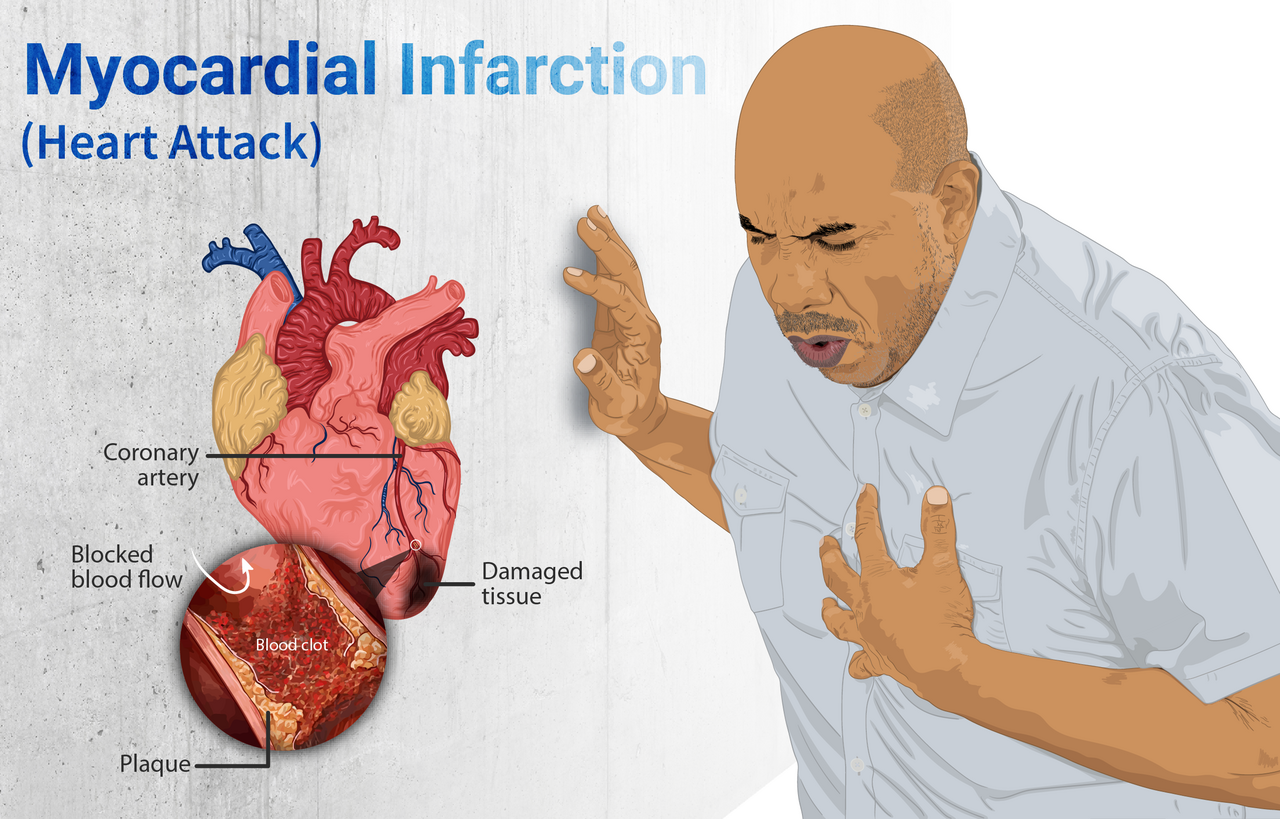
Chest Pain After Eating vs Heart Attack: How to Tell the Difference
Post-meal chest pain is usually reflux or oesophageal spasm — but some presentations mimic a heart attack. Here is the consultant-grade way to tell them apart.
 Cardiology
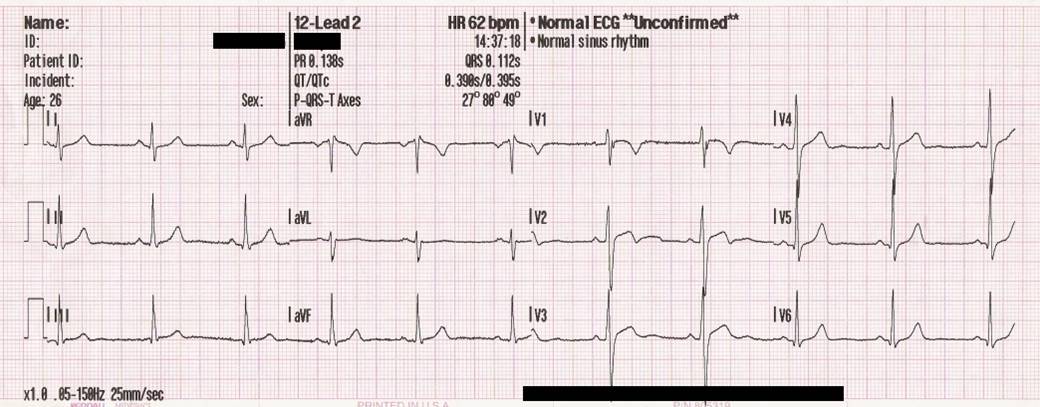
Normal ECG But Chest Pain: What It Actually Means
A normal ECG is reassuring — but up to 60% of real heart attacks have a normal initial ECG. Here is what it rules in, what it rules out, and what to do next.
 Cardiology
Elevated Troponin Without a Heart Attack: What Else Raises It
Modern high-sensitivity troponin detects tiny amounts of cardiac cell injury. Many non-MI conditions raise it — the trend and clinical context decide.