Chest Pain After Eating vs Heart Attack: How to Tell the Difference
Post-meal chest pain is usually reflux or oesophageal spasm — but some presentations mimic a heart attack. Here is the consultant-grade way to tell them apart.
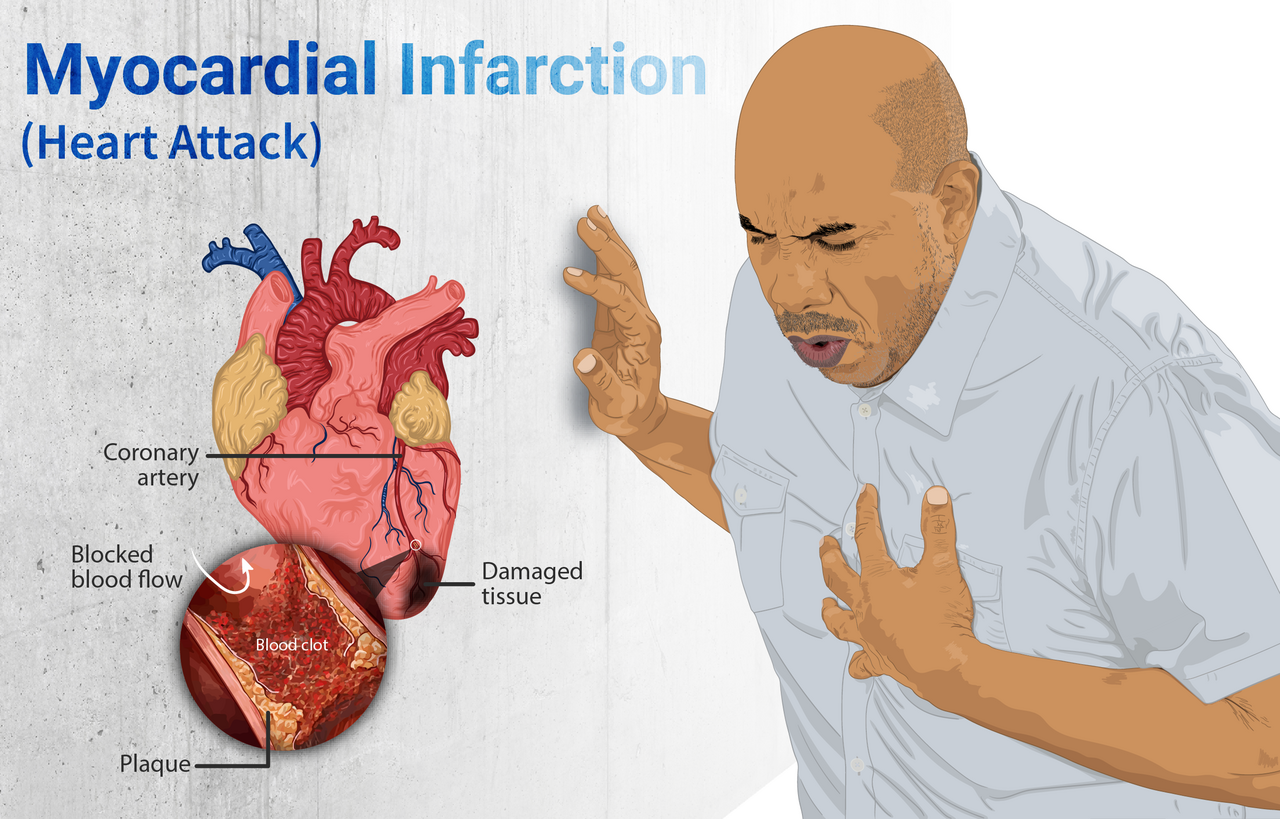
Post-meal chest pain is most often reflux or oesophageal spasm, but any pressure-like pain that radiates to the jaw or arm, worsens with exertion, or comes with sweating, breathlessness or nausea should be treated as a possible heart attack until an ECG and troponin rule it out. Call emergency services (911 / 999 / 112) if any of those red flags are present — do not wait to see if it passes.
- Burning pain rising up the chest after a large meal is usually reflux.
- Cramping, squeezing pain that comes with cold drinks is often oesophageal spasm.
- Pressure, tightness, or radiating pain — especially with exertion, sweating, or nausea — is a possible heart attack.
Chest pain after eating is most often reflux (GERD) or oesophageal spasm, but the oesophagus and heart share nerve pathways so cardiac pain can feel identical. Red flags — radiation to jaw or arm, sweating, breathlessness, pain lasting over 15 minutes — should be treated as a possible heart attack until an ECG and troponin rule it out.
- Most common cause
- Gastroesophageal reflux (GERD)
- Cardiac mimic
- Post-prandial angina (rare)
- Key red flag
- Radiation to jaw, left arm, or back
- Test that changes it
- 12-lead ECG within 10 minutes
Why meals can trigger real chest pain
The oesophagus and the heart share sensory nerves that enter the spinal cord at the same level. Your brain often cannot distinguish an oesophageal spasm from cardiac ischaemia — both feel like a fist behind the breastbone. This is called visceral cross-talk and it is the anatomical reason "reflux" and "heart attack" can present so similarly.
After a large meal, blood flow shifts to the gut. In someone with narrowed coronary arteries, this shunting can drop cardiac perfusion just enough to trigger angina — the classic post-prandial pattern. Cold drinks, spicy food, alcohol and lying down flat all separately trigger oesophageal spasm and reflux.
Reflux vs oesophageal spasm vs heart attack
| Feature | Reflux (GERD) | Oesophageal spasm | Cardiac / heart attack |
|---|---|---|---|
| Typical trigger | Large meal, lying down, alcohol | Cold drinks, stress, swallowing | Exertion, emotional stress, cold weather |
| Character | Burning, rising | Cramping, squeezing | Pressure, tightness, "fist" |
| Radiation | Up to throat | Rare | Left arm, jaw, back, either shoulder |
| Duration | Minutes to hours | 2–20 minutes | > 15 min, does not settle with rest |
| Relief with antacid | Often yes | Sometimes | No — this is a dangerous false-reassurance |
| Sweating / nausea | Uncommon | Uncommon | Very common — red flag |
| Response to GTN spray | No | Yes (relaxes smooth muscle) | Yes (also relaxes smooth muscle) — NOT specific |
Antacid relief does not rule out a heart attack. GTN response is not specific either — both cardiac and oesophageal pain can respond.
- Pain radiates to the jaw, left arm, both arms, back or between the shoulder blades.
- You are sweating heavily, feel nauseated, breathless, or clammy.
- The pain lasts more than 15 minutes or is not improving.
- You are over 45, have diabetes, high blood pressure, high cholesterol, or a family history of early heart disease.
- You have any known heart disease, prior stents, or bypass surgery.
Decision path
- 1Any red-flag symptoms (radiation, sweating, breathlessness, exertion trigger)?Yes → call emergency services now. Do not drive yourself. Chew 300 mg aspirin unless allergic.
- 2Cardiac risk factors: age > 45, diabetes, BP, cholesterol, smoking, family history?Yes and pain is atypical → still needs an ECG and troponin the same day. The consultant rule is: heart until proven otherwise.
- 3Burning, rises up the chest, worse lying down, better with antacid, no red flags?Reflux is the most likely explanation. Try a 2-week PPI trial and lifestyle changes. See a clinician if it persists or symptoms escalate.
- 4Cramping with cold drinks or stress, brief, no red flags?Oesophageal spasm is most likely. A GP can arrange manometry or a barium swallow if episodes recur.
What tests actually rule a heart attack in or out
A single normal ECG does not exclude acute coronary syndrome — up to 60% of patients with real ACS have a normal initial ECG. The definitive workup is a serial troponin (usually at presentation and 3 hours later) combined with clinical risk stratification (HEART score, TIMI, or GRACE).
If ACS is ruled out, next steps depend on the pattern. Post-prandial angina is investigated with a stress test or CT coronary angiogram. Suspected GERD gets a PPI trial first, endoscopy if red flags. Oesophageal spasm confirmations use high-resolution manometry.
Related questions people ask
- Can GERD cause arm pain?
- Can gas or bloating mimic a heart attack?
- Is chest pain after spicy food dangerous?
- Can anxiety cause chest pain after eating?
- When should I go to the emergency department for chest pain?
- Does antacid relief mean it is definitely not a heart attack?
- What is post-prandial angina?
Frequently asked questions
- Treat every chest pain as cardiac until an ECG and troponin prove otherwise, especially with any risk factor.
- Antacid or GTN relief does not exclude a heart attack.
- Post-prandial angina is real — meals can trigger cardiac ischaemia in coronary disease.
- Red flags: radiation to jaw / arm / back, sweating, breathlessness, pain > 15 min.
- The two safest actions are: call emergency services if any red flag, and see a GP the same week if none.
References
4 sources- AHAAmerican Heart Association
Heart attack warning signs and symptoms.
heart.org
- NICENICE Guideline CG95
Chest pain of recent onset: assessment and diagnosis.
nice.org.uk
- ESCESC Guidelines 2023
Management of acute coronary syndromes.
escardio.org
- Cleveland ClinicChest pain
Cardiac vs non-cardiac chest pain differential.
my.clevelandclinic.org
Related articles
 Cardiology
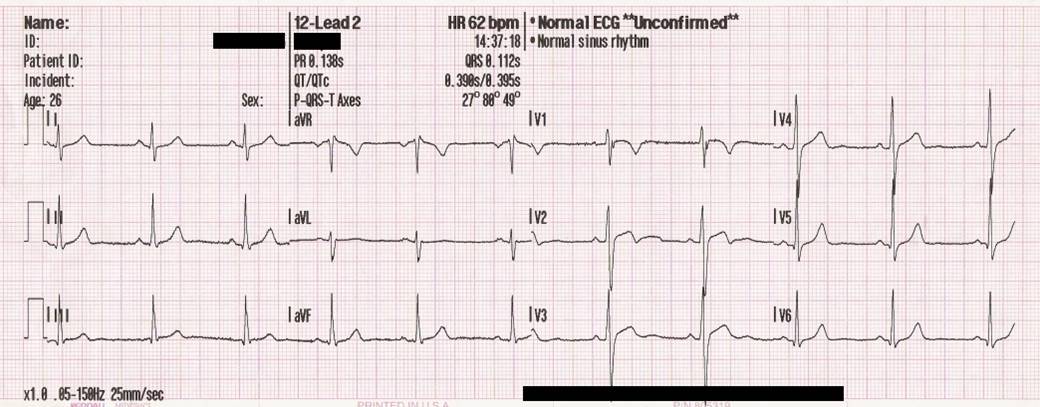
Normal ECG But Chest Pain: What It Actually Means
A normal ECG is reassuring — but up to 60% of real heart attacks have a normal initial ECG. Here is what it rules in, what it rules out, and what to do next.
 Cardiology
Home Blood Pressure Higher Than at the Doctor: Masked vs White-Coat
Clinic BP is normal, home BP is high — masked hypertension is real and doubles cardiovascular risk. Here is how to confirm it and what to do.
 Cardiology
Elevated Troponin Without a Heart Attack: What Else Raises It
Modern high-sensitivity troponin detects tiny amounts of cardiac cell injury. Many non-MI conditions raise it — the trend and clinical context decide.