Normal ECG But Chest Pain: What It Actually Means
A normal ECG is reassuring — but up to 60% of real heart attacks have a normal initial ECG. Here is what it rules in, what it rules out, and what to do next.
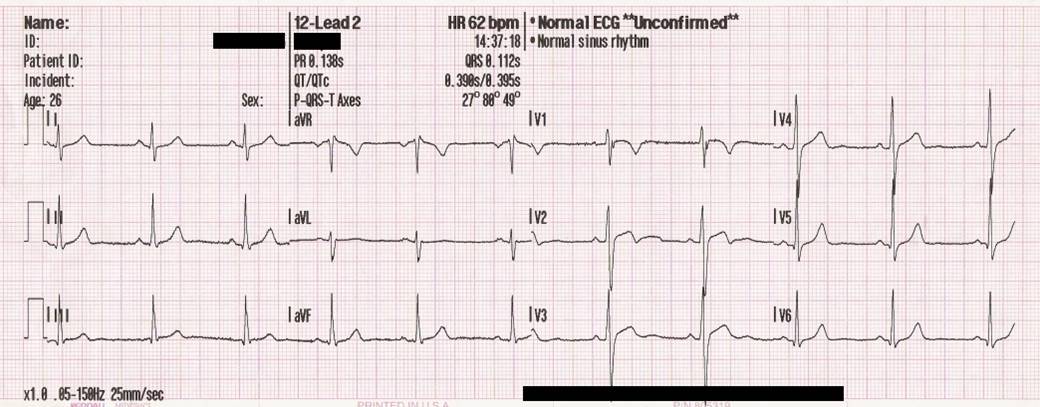
A normal ECG captures the heart’s electrical activity in a single 10-second snapshot. It does not rule out a heart attack — up to 60% of confirmed acute coronary syndromes have a normal initial ECG. If chest pain persists, the definitive workup is a serial troponin plus clinical risk scoring (HEART score). Do not accept a single normal ECG as an all-clear.
A normal ECG captures only 10 seconds of electrical activity and does not rule out a heart attack. Up to 60% of confirmed non-ST-elevation myocardial infarctions have a normal initial ECG. Definitive workup combines serial troponin testing with a HEART score. Persistent chest pain with a normal ECG still warrants ongoing observation.
- ECG duration
- ~10 seconds of electrical activity
- Missed ACS with 1 ECG
- Up to 60% of confirmed cases
- Definitive test
- Serial cardiac troponin at 0h and 3h
- Risk score used
- HEART score (history, ECG, age, risk factors, troponin)
What a normal ECG actually rules out
A normal ECG makes an ongoing large ST-elevation myocardial infarction very unlikely — the classic tombstone pattern is hard to miss. It also makes acute pericarditis, hyperkalaemia and life-threatening arrhythmias unlikely at that instant.
What it does not rule out: intermittent ischaemia, unstable angina, non-ST-elevation MI (NSTEMI), microvascular disease, coronary vasospasm, and aortic dissection — all of which can produce chest pain with a normal or nearly-normal ECG.
Why one ECG is not enough
The ECG only captures electrical activity during those 10 seconds. If your artery temporarily opens up between attacks — which is what happens in unstable angina — the ECG will look normal despite active disease.
This is why hospital protocols use serial ECGs (repeat if pain returns or 6-15 minutes later) and serial troponins. The HEART score combines history, ECG, age, risk factors and troponin to stratify the 30-day risk of a major cardiac event. A HEART score of 0–3 with normal troponins means very low (<2%) risk. A score of 4–6 means observation. A score of 7+ means admission.
What a normal ECG can and cannot see
| Condition | ECG picks it up? | Confidence |
|---|---|---|
| Full-thickness heart attack (STEMI) | Usually yes | High |
| Non-ST elevation heart attack (NSTEMI) | Often subtle or absent | Low |
| Unstable angina between attacks | Frequently normal | Low |
| Coronary artery spasm (Prinzmetal) | Only during an attack | Low |
| Aortic dissection | Non-specific or normal | Very low |
| Pulmonary embolism | Non-specific S1Q3T3 in 20% | Very low |
| Pericarditis | Diffuse ST elevation, PR depression | Moderate |
| Microvascular angina | Usually normal | Very low |
- Chest pain that comes with exertion and improves with rest.
- Pain radiating to the jaw, left arm, both arms, or back.
- Sweating, nausea, breathlessness, or clamminess with the pain.
- You have diabetes, kidney disease, or known coronary disease.
- Sudden tearing pain — this suggests aortic dissection (a life-threatening emergency needing different treatment).
What should happen after a normal ECG
- 1Chest pain has fully settled and no risk factors, low HEART score?Discharge with GP follow-up, safety-net advice, and a clear list of return-if symptoms.
- 2Pain persists or intermediate HEART score?Observation with serial troponin at 3 hours. Repeat ECG if pain returns.
- 3Troponin positive OR ongoing pain OR high-risk features?Admission for cardiology assessment. Consider CT coronary angiogram or invasive angiography.
- 4Sudden tearing chest / back pain, unequal pulses, high BP?Aortic dissection until proven otherwise. CT angiography of the aorta is urgent.
Related questions people ask
- Can you have a heart attack with a completely normal ECG?
- What is a HEART score and how is it used?
- How long after chest pain should troponin be repeated?
- Does aortic dissection show on ECG?
- What is microvascular angina?
- Should I go home after a normal ECG in the ER?
- Can palpitations cause a normal ECG?
Frequently asked questions
- A normal ECG is a snapshot, not an all-clear.
- Up to 60% of NSTEMIs have a normal initial ECG.
- Serial troponin + HEART score is the definitive rule-out pathway.
- Ongoing pain with red flags = come back, no matter what the ECG said.
- Aortic dissection, PE, and microvascular disease routinely produce normal ECGs.
References
3 sources- AHA / ACC 2021 Chest Pain Guidelines
Evaluation and diagnosis of chest pain.
ahajournals.org
- HEART Score
Validated 30-day cardiac risk score.
mdcalc.com
- ESCESC Guidelines on Acute Coronary Syndromes
4th universal definition of MI + management pathway.
escardio.org
Evidence Snapshot
This snapshot shows verified evidence records matched to this article. It is not a diagnosis or personal medical advice.
Total serum creatine kinase (CK) rises with injury to skeletal or cardiac muscle and can also rise after strenuous exercise, so an elevated total CK is not, by itself, specific to a particular tissue source.
Limitation. Total CK cannot distinguish between skeletal muscle and cardiac muscle sources without further testing.
Related articles
 Cardiology
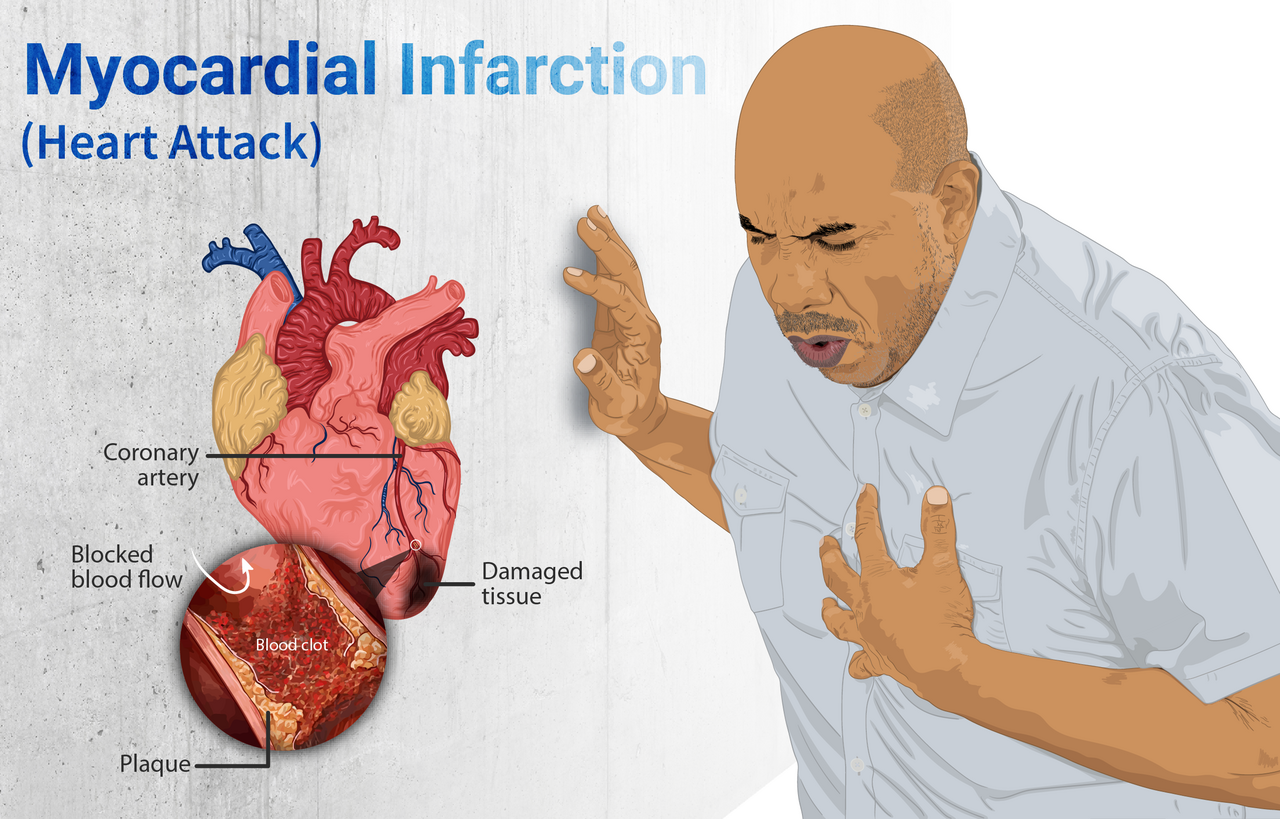
Chest Pain After Eating vs Heart Attack: How to Tell the Difference
Post-meal chest pain is usually reflux or oesophageal spasm — but some presentations mimic a heart attack. Here is the consultant-grade way to tell them apart.
 Cardiology
Home Blood Pressure Higher Than at the Doctor: Masked vs White-Coat
Clinic BP is normal, home BP is high — masked hypertension is real and doubles cardiovascular risk. Here is how to confirm it and what to do.
 Cardiology
Elevated Troponin Without a Heart Attack: What Else Raises It
Modern high-sensitivity troponin detects tiny amounts of cardiac cell injury. Many non-MI conditions raise it — the trend and clinical context decide.