Elevated Troponin Without a Heart Attack: What Else Raises It
Modern high-sensitivity troponin detects tiny amounts of cardiac cell injury. Many non-MI conditions raise it — the trend and clinical context decide.
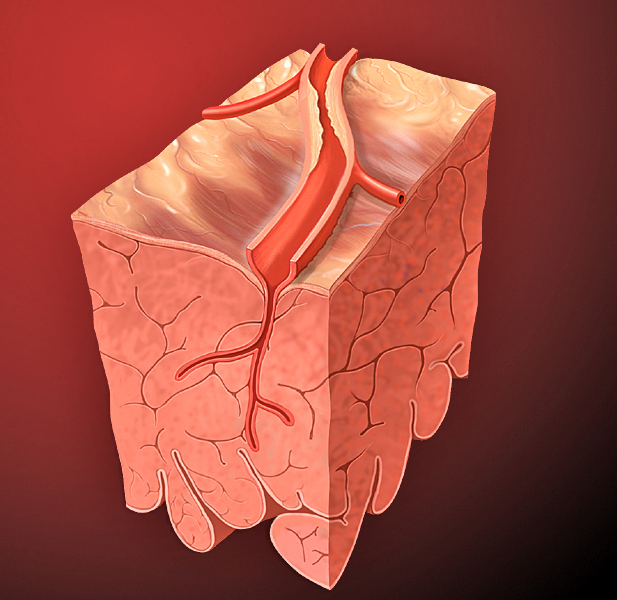
Troponin is a marker of cardiac cell injury, not specifically of heart attack. High-sensitivity assays now detect leaks from any source of myocardial strain — heart failure, pulmonary embolism, sepsis, myocarditis, tachyarrhythmias, kidney disease, and endurance exercise. What distinguishes an MI is the trend (a rise-and-fall pattern) plus clinical context, not just an absolute number.
Troponin is a marker of any cardiac cell injury, not exclusively heart attack. Modern high-sensitivity assays detect cardiac strain from heart failure, pulmonary embolism, sepsis, myocarditis, kidney disease, and tachyarrhythmias. A myocardial infarction shows a characteristic rise-and-fall pattern with clinical context; chronic elevations without trend change usually reflect underlying disease.
- What it means
- Myocardial injury (any cause)
- MI signature
- Rise and fall over hours + clinical context
- Chronic elevation
- CKD, HF — stable pattern, not an event
- Key concept
- Trend + context > single number
Type 1 vs Type 2 MI vs myocardial injury
The 4th Universal Definition of MI splits troponin elevation into three categories. Type 1 MI is atherosclerotic plaque rupture with thrombus. Type 2 MI is oxygen supply-demand mismatch — anaemia, sepsis, hypotension, tachycardia — without plaque rupture. Myocardial injury covers everything else where troponin is up but no ischaemia is present.
This matters because Type 1 needs revascularisation (stents, thrombolysis), Type 2 needs treatment of the underlying trigger, and pure myocardial injury needs the underlying condition addressed. Same lab number, three different management pathways.
Non-MI causes of raised troponin
| Cause | Mechanism |
|---|---|
| Heart failure | Chronic myocardial strain |
| Pulmonary embolism | Right heart strain |
| Sepsis | Cytokine-mediated myocardial injury |
| Myocarditis | Inflammatory injury |
| Chronic kidney disease | Reduced clearance + chronic strain |
| Tachyarrhythmias (AF with fast rate, SVT) | Supply-demand mismatch |
| Stroke, subarachnoid haemorrhage | Neurogenic myocardial injury |
| Endurance exercise (marathon) | Transient release |
| Chemotherapy toxicity (anthracyclines, TKIs) | Direct myocardial toxicity |
A single high troponin in a stable patient is often a chronic marker of underlying disease. A troponin that rises 20% or more between measurements 3 hours apart — with symptoms — points strongly at acute myocardial injury or MI.
Interpreting your result
- 1Rising troponin with chest pain, ECG changes?Acute coronary syndrome. Standard MI pathway.
- 2Elevated but flat troponin, chronic kidney disease?Chronic myocardial injury pattern — establish baseline, focus on underlying disease.
- 3Rising troponin without chest pain — sepsis, PE, tachyarrhythmia?Type 2 MI or non-ischaemic myocardial injury. Treat the trigger.
- 4Young, healthy, post-marathon?Exercise-induced release. Resolves within days.
Related questions people ask
- What is Type 2 myocardial infarction?
- Can sepsis raise troponin?
- Does chronic kidney disease raise troponin?
- Can COVID raise troponin?
- Does endurance exercise raise troponin?
- How is a rise-and-fall troponin pattern interpreted?
- What is high-sensitivity troponin?
Frequently asked questions
- Troponin = myocardial injury, not always MI.
- Trend (rise and fall) + clinical context distinguishes MI from non-MI causes.
- Common non-MI causes: HF, PE, sepsis, arrhythmias, CKD, myocarditis.
- Chronic elevation is a risk marker but not an emergency.
References
2 sources- 4th Universal Definition of MI (2018)
Contemporary definition and classification.
academic.oup.com
- AHA/ACC Chest Pain Guidelines
Interpretation of hs-troponin.
ahajournals.org
Evidence Snapshot
This snapshot shows verified evidence records matched to this article. It is not a diagnosis or personal medical advice.
Total serum creatine kinase (CK) rises with injury to skeletal or cardiac muscle and can also rise after strenuous exercise, so an elevated total CK is not, by itself, specific to a particular tissue source.
Limitation. Total CK cannot distinguish between skeletal muscle and cardiac muscle sources without further testing.
Related articles
 Cardiology
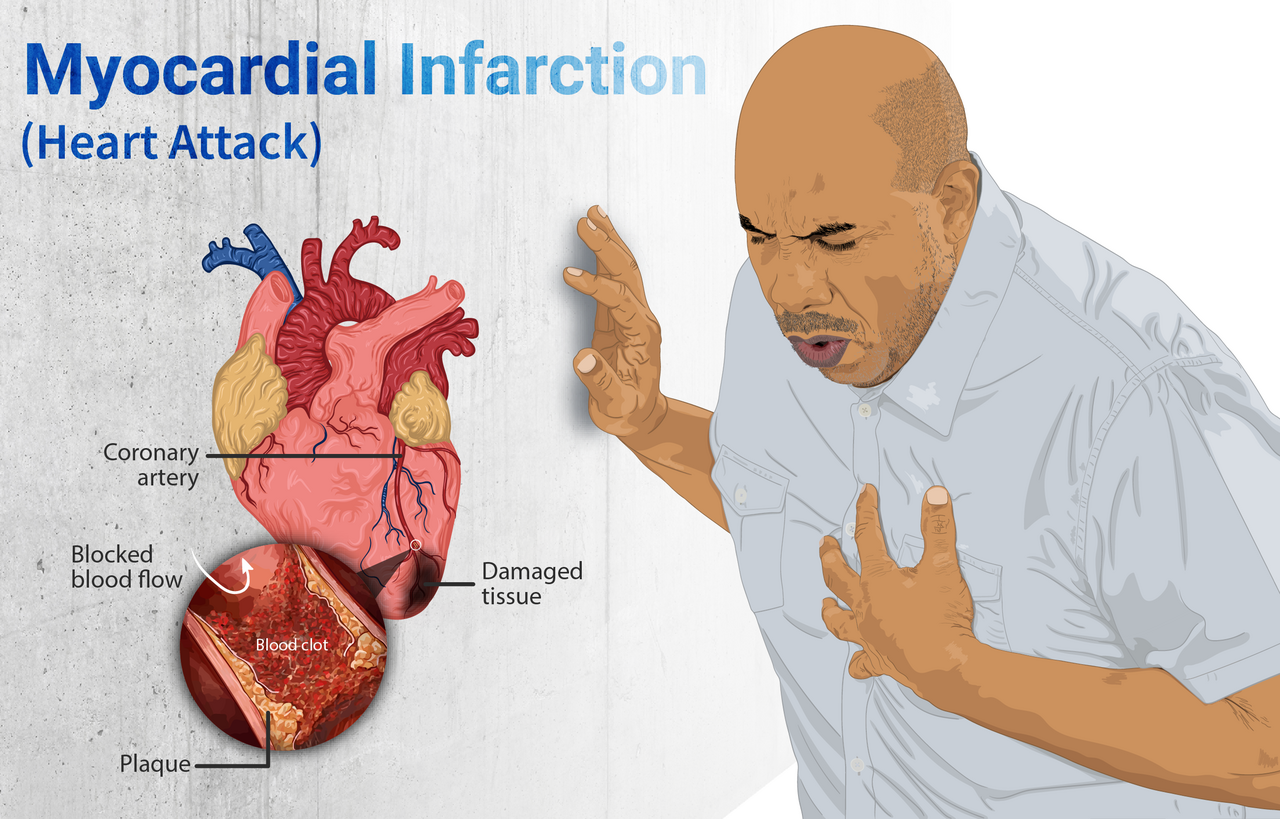
Chest Pain After Eating vs Heart Attack: How to Tell the Difference
Post-meal chest pain is usually reflux or oesophageal spasm — but some presentations mimic a heart attack. Here is the consultant-grade way to tell them apart.
 Cardiology
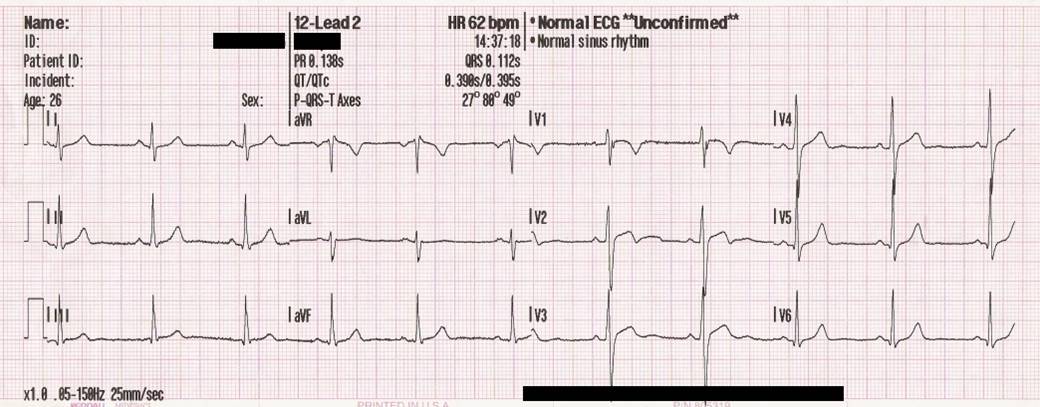
Normal ECG But Chest Pain: What It Actually Means
A normal ECG is reassuring — but up to 60% of real heart attacks have a normal initial ECG. Here is what it rules in, what it rules out, and what to do next.
 Cardiology
Home Blood Pressure Higher Than at the Doctor: Masked vs White-Coat
Clinic BP is normal, home BP is high — masked hypertension is real and doubles cardiovascular risk. Here is how to confirm it and what to do.