Cortisol Blood Test: AM, PM, Salivary, and What Abnormal Results Mean
Cortisol has a strong daily rhythm. A single random cortisol answers almost nothing. Learn the right way to test for Cushing's or adrenal insufficiency, and how to read a low or high result.
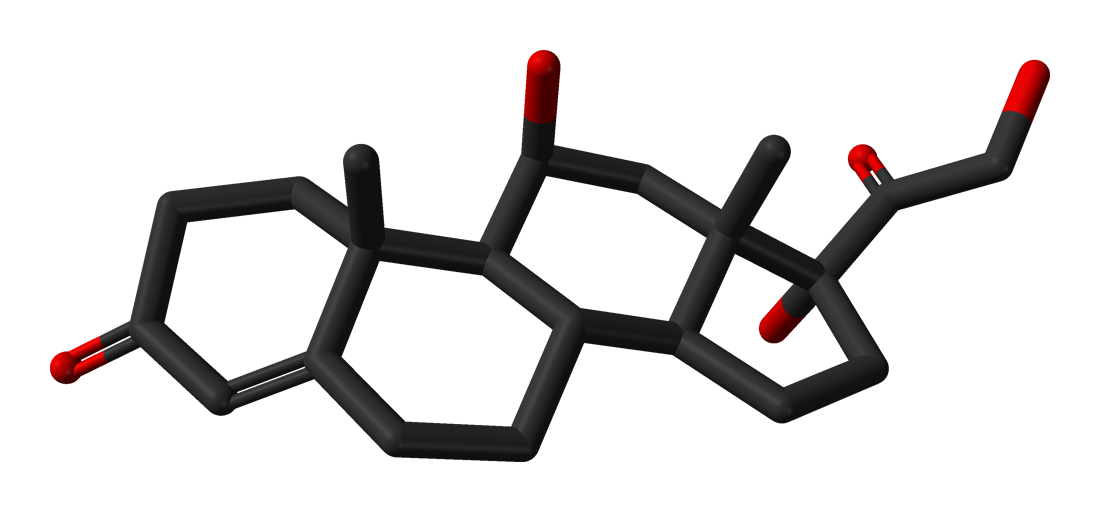
A morning (8–9 AM) serum cortisol above 15 µg/dL (~410 nmol/L) usually rules out adrenal insufficiency; below 3 µg/dL strongly suggests it. Cushing's workup starts with either 24-hour urine free cortisol, late-night salivary cortisol, or 1 mg overnight dexamethasone suppression — no single random cortisol diagnoses Cushing's.
Cortisol shows a strong diurnal rhythm — highest at 6–8 AM (~10–20 µg/dL), lowest at midnight (< 2 µg/dL). A random cortisol therefore means little without context. Adrenal insufficiency screening: 8–9 AM serum cortisol > 15 µg/dL rules out; < 3 µg/dL rules in; intermediate values need an ACTH stimulation test (short synacthen test — cortisol > 18 µg/dL at 30 minutes is normal). Cushing's screening: at least ONE of (1) late-night salivary cortisol; (2) 24-h urine free cortisol × 2; (3) 1 mg overnight dexamethasone suppression (cortisol should drop below 1.8 µg/dL). Two positive screens confirm hypercortisolism; then differentiate ACTH-dependent vs independent causes.
- Normal AM (8–9)
- 5–20 µg/dL (140–550 nmol/L)
- Normal PM (4–5)
- 3–10 µg/dL (80–275 nmol/L)
- Random cortisol usefulness
- Low — always time the draw
- Cushing's screen
- Dex-suppression OR salivary OR 24-h urine
- Addison's screen
- AM cortisol + short synacthen test
The diurnal rhythm and why random cortisol misleads
Cortisol is regulated by the hypothalamic-pituitary-adrenal axis. CRH releases ACTH, which triggers adrenal cortisol release. The whole axis follows a strong circadian rhythm anchored to the sleep-wake cycle. Cortisol peaks at 6–8 AM, dips to lowest levels around midnight, and rises again in the second half of sleep. A random cortisol drawn at 3 PM can be "normal" in Cushing's and "low" in a healthy person — the value only makes sense against a known time and clinical context.
Cortisol testing strategies
| Test | Uses | How |
|---|---|---|
| AM serum cortisol | Adrenal insufficiency screen | 8–9 AM fasting draw |
| Short synacthen (ACTH) test | Confirm adrenal insufficiency | 250 mcg IV/IM; cortisol at 30 min |
| Late-night salivary cortisol | Cushing's screen | Home saliva sample at 11 PM–midnight |
| 24-hour urine free cortisol | Cushing's screen | Full-day urine collection |
| 1 mg overnight dex suppression | Cushing's screen | 1 mg dexamethasone at 11 PM; 8 AM cortisol |
How to work up suspected Cushing's
Endocrine Society guidelines require TWO positive screening tests from the list above before confirming hypercortisolism. False-positives are common: depression, obesity, PCOS, chronic alcohol use, and shift work can produce mildly elevated cortisol or blunted diurnal rhythm. Pregnancy and oestrogen therapy raise binding globulin and total cortisol without disease.
Once hypercortisolism is confirmed, measure ACTH: (1) undetectable ACTH = adrenal cause (adrenal adenoma or carcinoma); (2) detectable/high ACTH = pituitary (Cushing's disease) or ectopic source (small-cell lung cancer, carcinoid). MRI pituitary, high-dose dexamethasone suppression, and inferior petrosal sinus sampling separate these.
How to work up suspected adrenal insufficiency
8–9 AM cortisol > 15 µg/dL essentially rules out adrenal insufficiency. Below 3 µg/dL rules it in. Between 3–15, do a short synacthen test — 250 mcg IM/IV, measure cortisol at 30 minutes. A rise above 18 µg/dL is normal. Once confirmed, ACTH direction: (1) low ACTH = secondary (pituitary/hypothalamic); (2) high ACTH = primary (Addison's, autoimmune, tuberculosis, adrenal haemorrhage).
- Hypotension, hyponatraemia, hyperkalaemia, hypoglycaemia in an unwell patient — adrenal crisis; give hydrocortisone before waiting for results.
- Rapid onset of hypertension, weight gain, purple striae, easy bruising, proximal weakness — Cushing's screening urgently.
- Confirmed adrenal insufficiency + intercurrent illness — sick-day steroid dosing.
- New-onset diabetes + hypertension + central weight gain — screen for Cushing's.
Cortisol test decision tree
- 1Suspected Cushing's?Choose one screen: 1 mg overnight dexamethasone suppression, late-night salivary cortisol, or 24-h urine free cortisol. Two positive screens = confirm.
- 2Suspected adrenal insufficiency?8–9 AM cortisol. > 15 = rules out; < 3 = rules in; 3–15 = short synacthen test.
- 3On oral oestrogen or pregnant?CBG rises — total cortisol misleadingly high. Use free cortisol (urine or salivary) instead.
- 4On long-term glucocorticoid therapy?Suppressed HPA axis. Tapering must be gradual; sick-day dosing rules apply.
Related questions people ask
- How is cortisol tested?
- What is a dexamethasone suppression test?
- Does stress raise cortisol clinically?
- How is Cushing's syndrome diagnosed?
- What is Addison's disease?
- How does cortisol affect glucose?
- Does cortisol raise blood pressure?
Frequently asked questions
- A random cortisol without timing means little — always specify draw time.
- AM cortisol > 15 µg/dL rules out adrenal insufficiency; < 3 rules it in.
- Cushing's screen: dexamethasone suppression, salivary or 24-h urine.
- Two positive Cushing's screens are required.
- Adrenal crisis is a medical emergency — treat first, confirm later.
- Oestrogen and pregnancy raise total cortisol without disease.
References
3 sources- Endocrine SocietyCushing's Syndrome Diagnosis Guideline
Cushing diagnostic algorithm.
academic.oup.com
- Endocrine SocietyPrimary Adrenal Insufficiency Guideline
Addison's diagnosis and management.
academic.oup.com
- NICE CKSAdrenal insufficiency
UK adrenal insufficiency guidance.
cks.nice.org.uk
Evidence Snapshot
This snapshot shows verified evidence records matched to this article. It is not a diagnosis or personal medical advice.
Because prolactin levels change through the day, guidance for a prolactin blood test recommends scheduling the blood sample about three to four hours after waking to improve accuracy.
Limitation. Individual daily rhythms and sleep patterns vary, so the standardised sampling window is a guide rather than a fixed rule for every person.
Related articles
 Laboratory Tests
TSH Test: Normal Range, High, Low & What Your Result Actually Means
TSH is the single most important thyroid number. Understand normal ranges by age and pregnancy, what a high or low value really tells you, and the two follow-up tests that clinch the diagnosis.
 Laboratory Tests
HbA1c Test: Normal Range, Prediabetic, Diabetic Cut-offs & How to Lower It
HbA1c reflects your average blood sugar over ~3 months. Understand every threshold — normal, prediabetes, diabetes — and the realistic actions that move the number.
 Laboratory Tests
LDL Cholesterol: Optimal Numbers, High Numbers, and How to Read Yours
LDL is the "bad" cholesterol only if you leave the story there. Understand optimal targets by risk group, the ApoB perspective, and the interventions that actually shift the number.